
Last updated September 10, 2026
Level 1 sweep and inspection to the NFPA 211 annual standard - flue, crown, cap, and flashing checked and photographed
Chimney sweep logs do not sweep chimneys. They loosen some creosote - which then falls where a brush and vacuum still have to collect it.
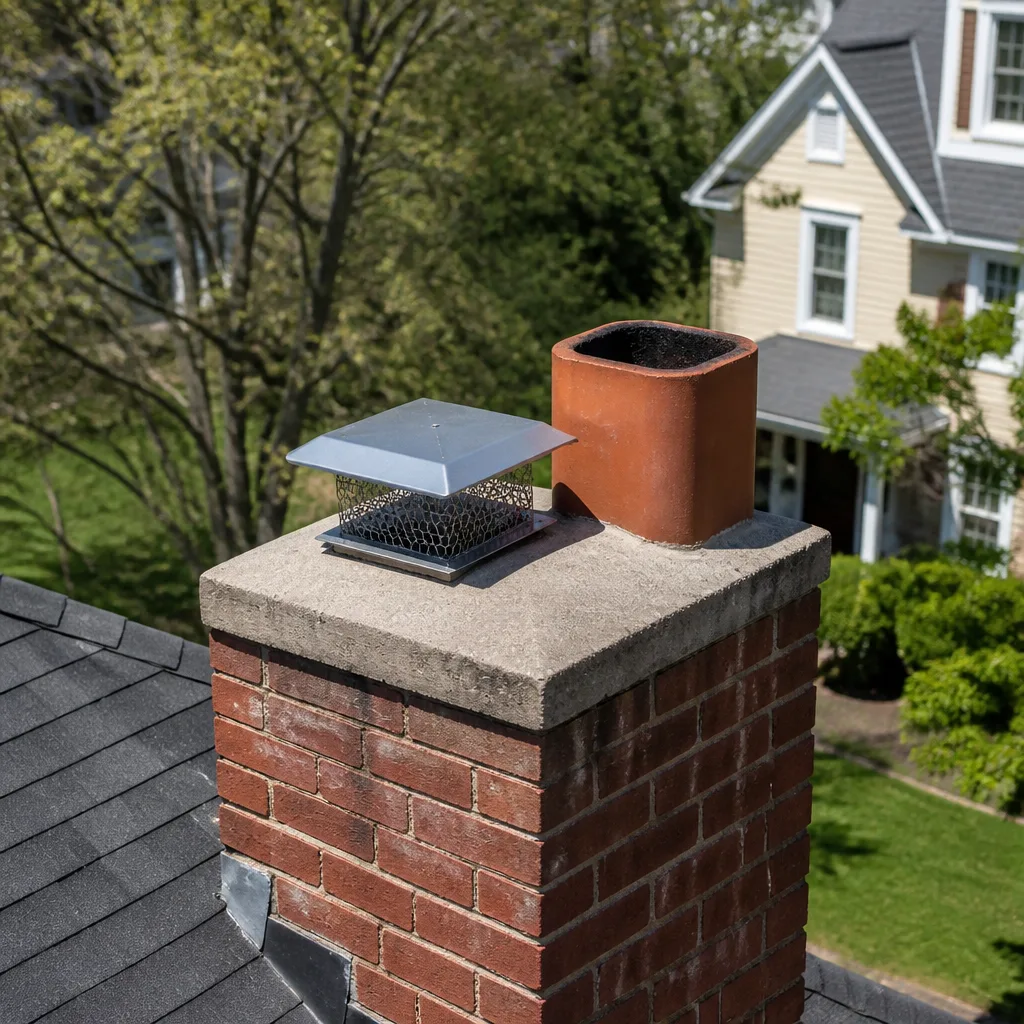
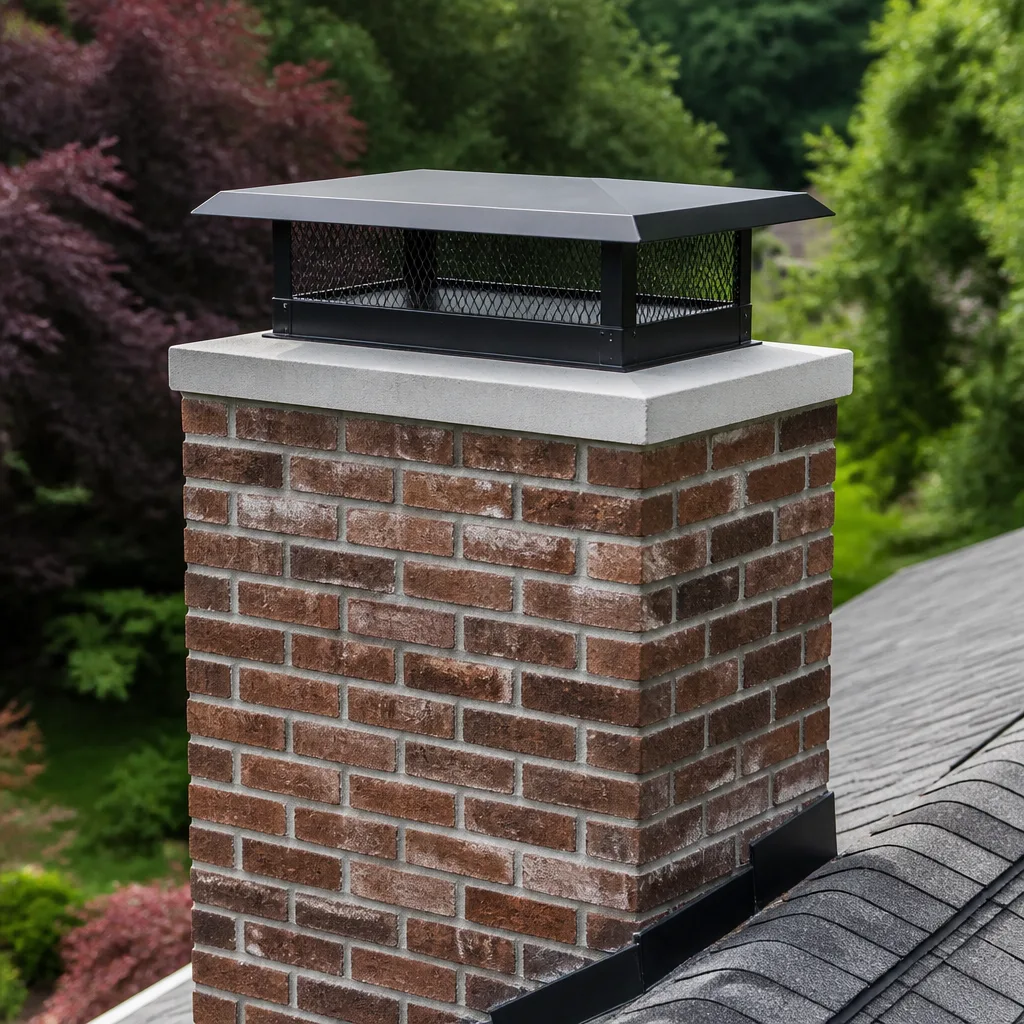
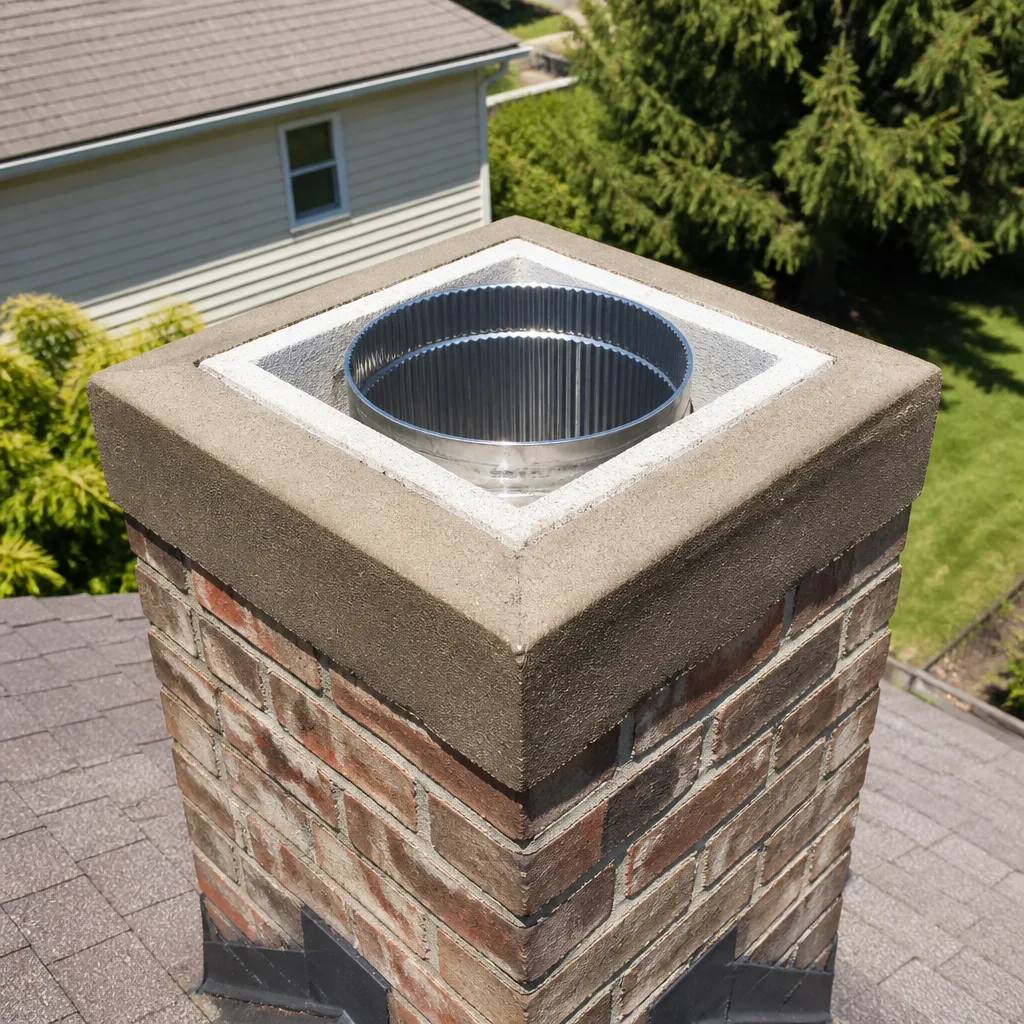
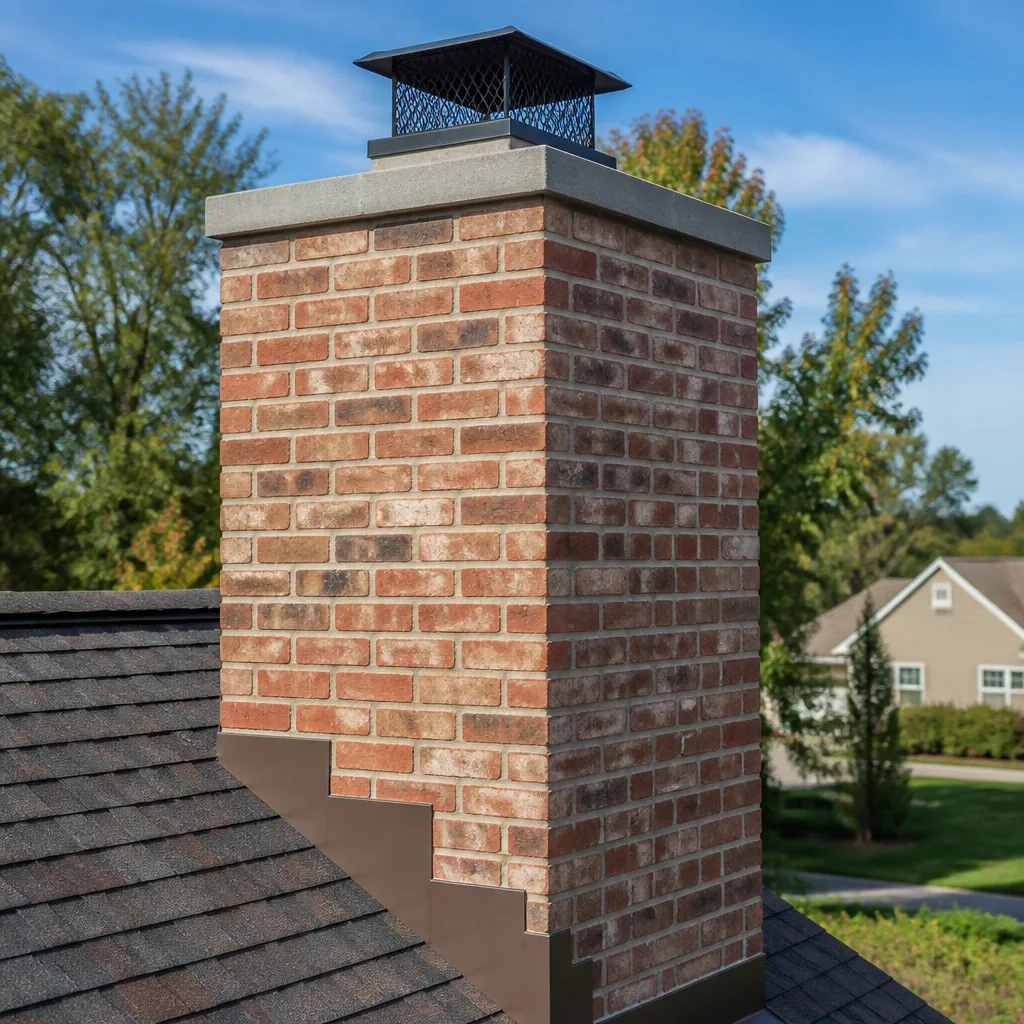
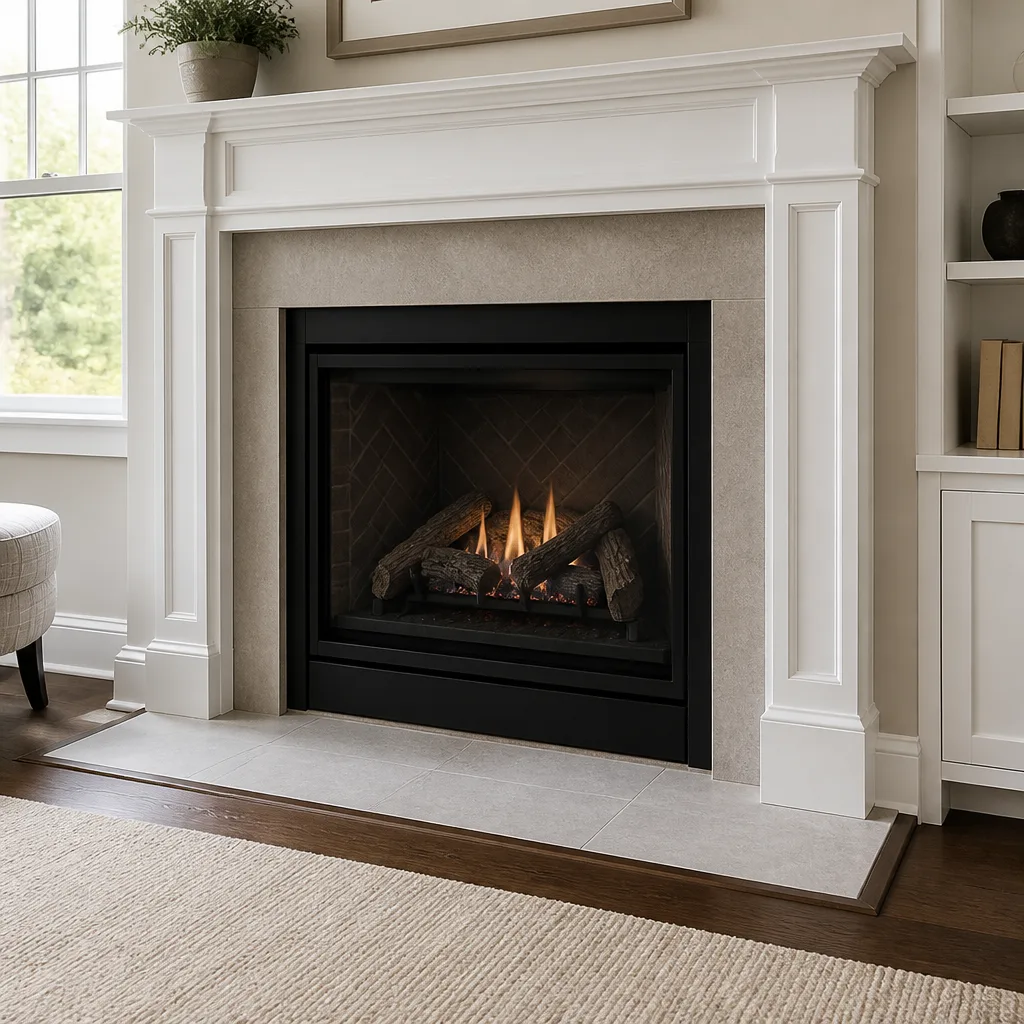
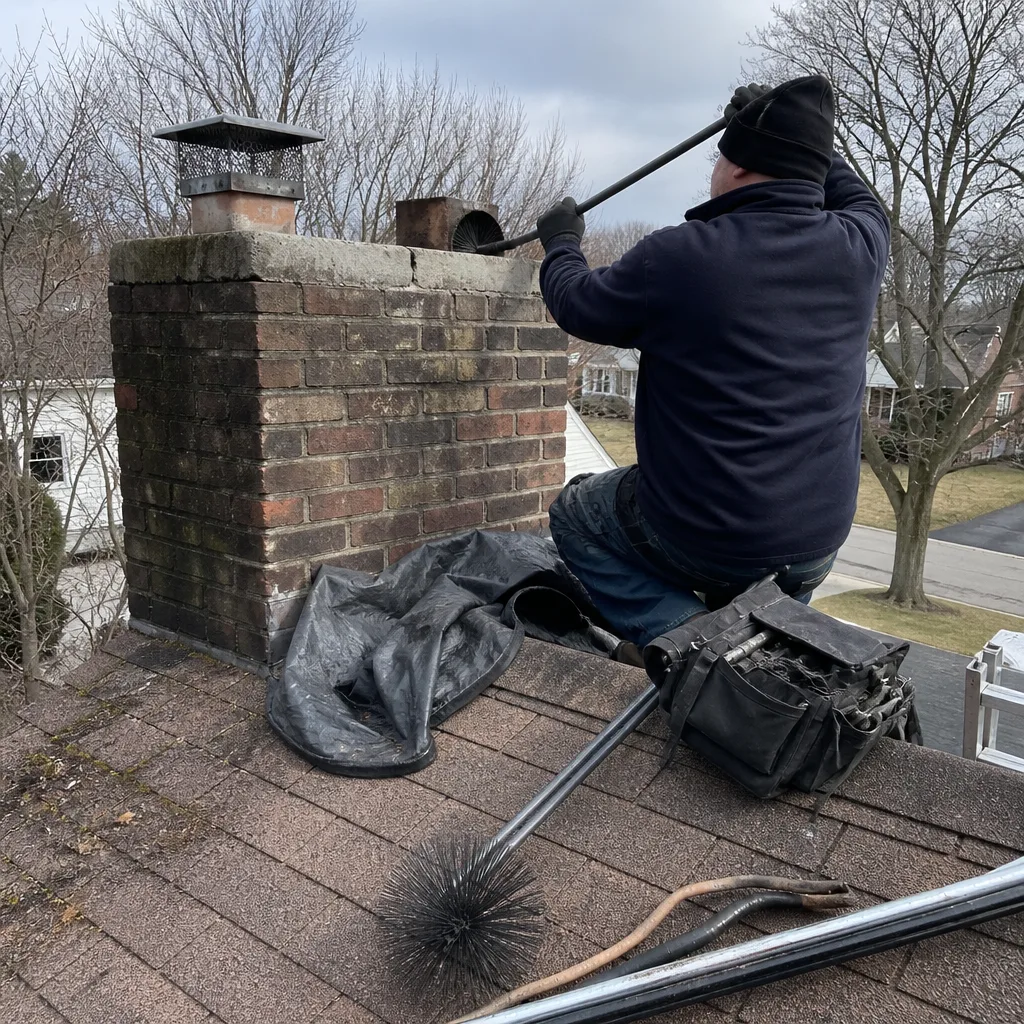 Before
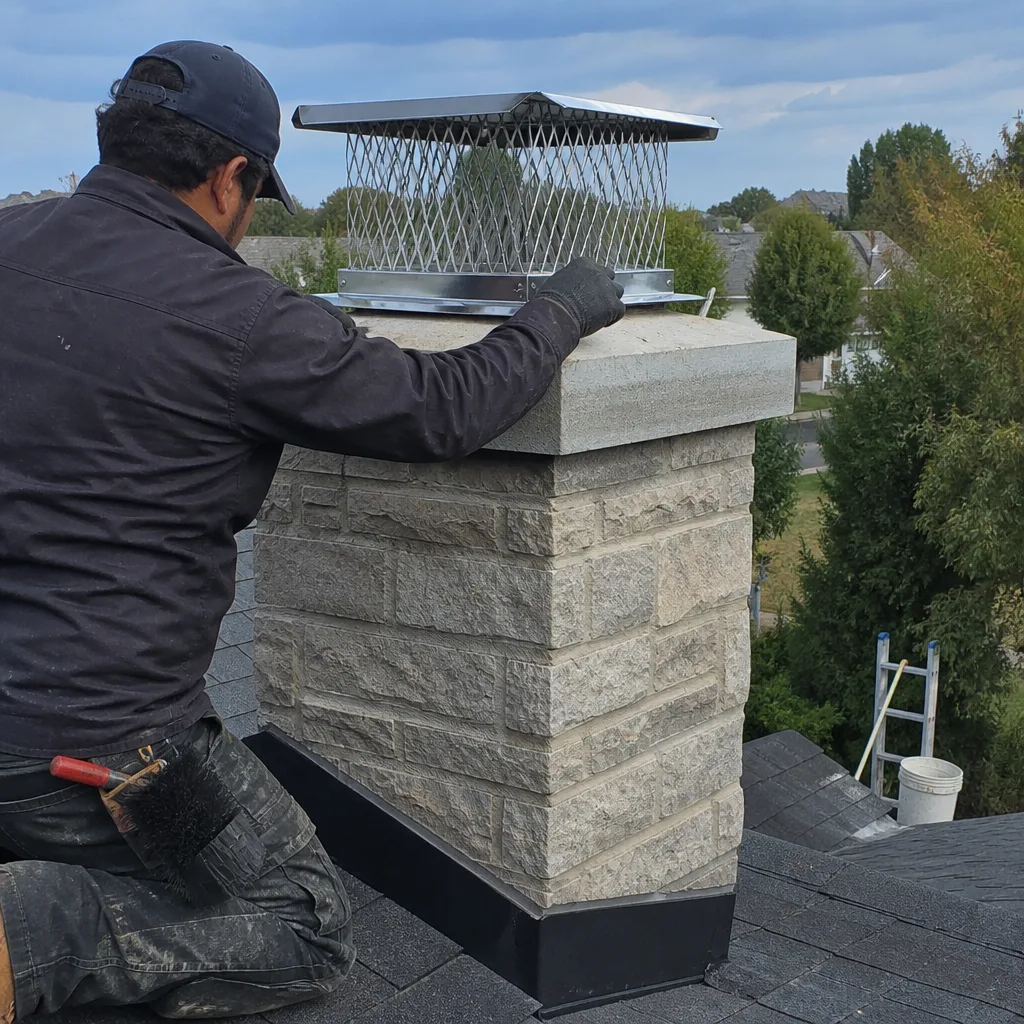 After
After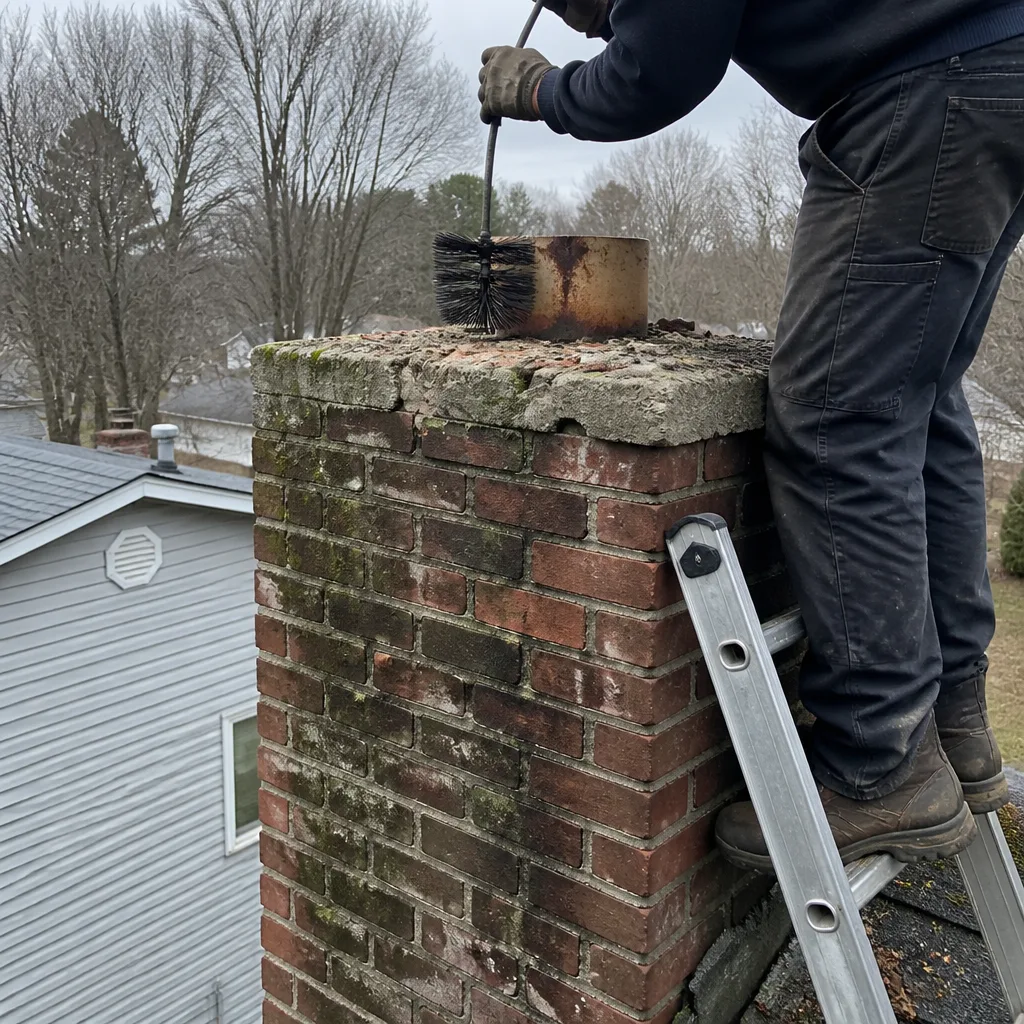 Before
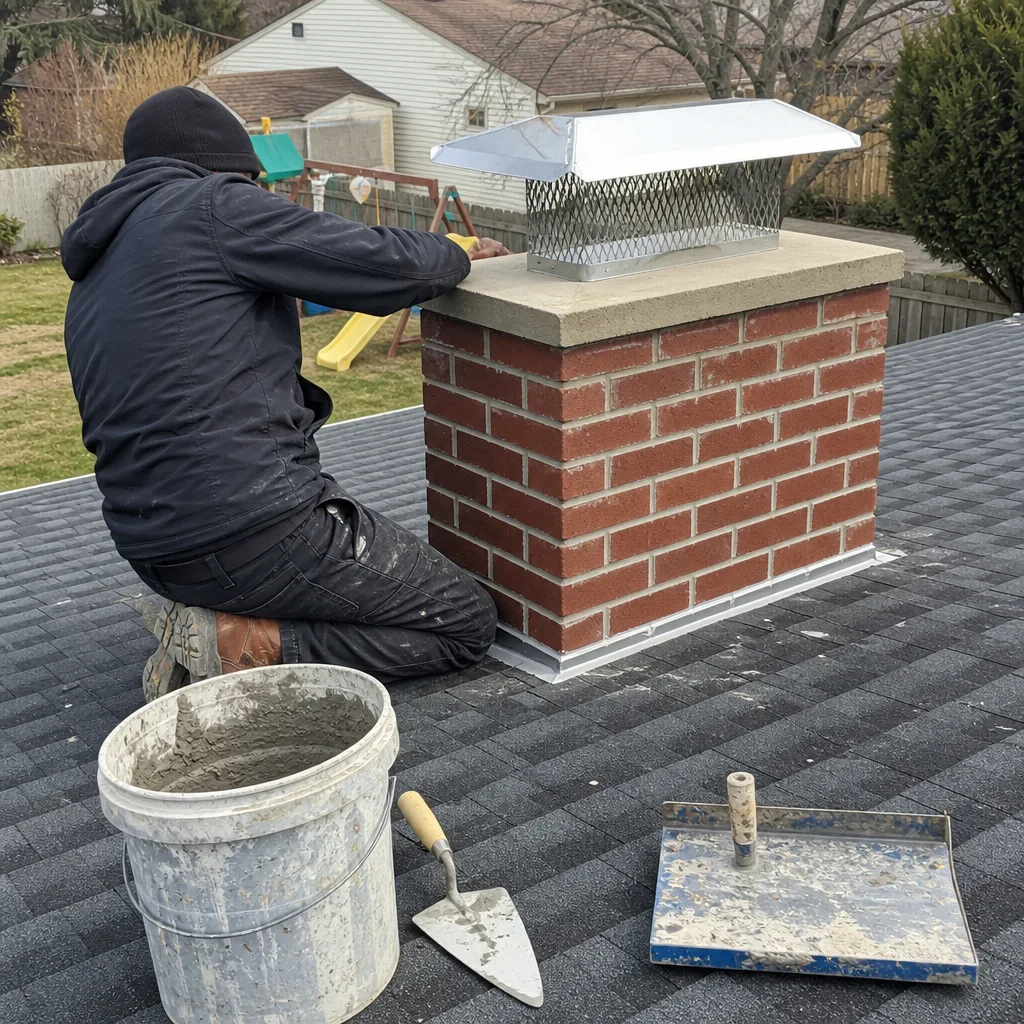 After
AfterSeasonal Chimney Cleaning Care for Plainview: Year-Round Homeowner’s Guide
Summer is the season most homeowners ignore their chimney entirely. It’s also when moisture trapped after spring rains turns existing cracks into structural failures, invisible until October when you need the fireplace and it’s already too late to schedule a sweep. In Plainview, where humidity climbs through July and August and winter burns can stretch from November into March, treating chimney care as a single pre-winter task means you’re already behind when the first frost hits. This guide shows you what to do in each season, why timing matters in Nassau County’s four-season climate, and how to build a maintenance checklist that keeps your chimney safe and your heating bills predictable.
Quick Answer
Chimney cleaning and care in Plainview should follow a four-season schedule: summer inspection for moisture and animal damage, early fall sweeping before peak demand, mid-winter monitoring for creosote buildup, and spring assessment for liner damage after heavy burning. Homeowners who spread maintenance across the year avoid the October scheduling crush, catch problems when they’re small, and typically spend less on repairs over a decade of ownership. See our Chimney Cleaning Cost Breakdown for Plainview homeowners.
Table of Contents
- Why Summer Is the Most Ignored - and Most Dangerous - Season
- The Fall Window: How to Beat the October Rush in Plainview
- Winter Mid-Season: What Heavy Burning Reveals
- Spring Post-Season Assessment: What a Winter of Use Leaves Behind
- Building Your Plainview Chimney Calendar: A Practical Schedule
- What a Level-2 Inspection Finds That You Cannot
- Costs and What Affects Them in the Plainview Market
Why Summer Is the Most Ignored - and Most Dangerous - Season
Plainview’s summer humidity is not gentle on masonry. From June through September, relative humidity regularly pushes past 70 percent, and that moisture finds every crack in your chimney’s crown, every gap in deteriorated mortar, every separation between flue tiles. The damage happens slowly, then all at once.
Here’s what we’ve observed in our 42 years serving Nassau County: chimneys that looked sound in May show significant water intrusion by September. The freeze-thaw cycle gets the blame in winter, but summer humidity does the preparatory work, widening micro-cracks through repeated wet-dry cycling so that first hard freeze in November has something to exploit.
Three problems accelerate during Plainview summers:
- Animal intrusion. Squirrels, raccoons, and chimney swifts treat an uncapped flue as prime real estate. A nest built in July can block airflow or ignite in November. We’ve removed nests that completely filled 8×12 flues in Plainview’s older homes near Manetto Hill Road.
- Accelerated mortar degradation. Humidity plus temperature swings above 80 degrees weakens Type N mortar faster than steady cold. South-facing chimneys in Plainview’s post-war ranches take the worst of it.
- Hidden liner damage. Stainless steel liners corrode at joints where condensation collects. Clay tiles spall from internal moisture cycling. Neither shows symptoms until you light the first fire.
What to do in summer: schedule a Level-2 camera inspection. Not a sweep - the flue is clean from disuse - but a documented inspection with photos you can see and a plain-English verdict. If the crown has hairline cracks, seal them now before fall rains. If the cap is missing or rusted, replace it before animals move in. Chimney repair in Plainview booked in August typically costs less than the same work in October, and you’re not competing with every other homeowner who just smelled their first cold morning.
The Hearthstone Chimney Co. home page lists our summer inspection schedule. We answer calls with a live person 24 hours a day, 7 days a week, even in July when most chimney companies send you to voicemail.
The Fall Window: How to Beat the October Rush in Plainview
The optimal window for chimney sweeping in Plainview opens mid-August and closes by mid-October. After that, you’re in the rush, and the rush has real consequences for scheduling, pricing, and thoroughness. Our guide to NY permits and codes explains why thoroughness matters.
We’ve tracked our call volume for four decades. The pattern is consistent: first cold snap, usually the third week of October, and our schedule fills for three weeks forward. Homeowners who call November 1st are often booking into December. By then you’re burning already, or running your heating system through a potentially obstructed flue.
What happens during the fall sweep:
- Full mechanical cleaning. Rotary brushes sized to your flue diameter remove creosote deposits. We use professional-grade equipment, not the hardware-store kits that leave glazed creosote untouched.
- Firebox and smoke chamber inspection. Cracked firebrick or deteriorated parging in the smoke chamber can allow heat transfer to combustible framing. We document what we find.
- Damper function check. A damper that doesn’t seal costs you heated air all winter. A damper that won’t open risks smoke backup.
- Exterior crown and flashing visual. Before winter storms, we confirm water entry points are sealed.
- Cap and spark arrestor condition. Required by Nassau County fire code for wood-burning installations.
Our $89 Seasonal Tune-Up covers the sweep and basic inspection for standard fireplaces. If we find creosote glazing that requires chemical treatment, or if the Level-1 inspection reveals issues needing camera evaluation, we’ll show you the photos and explain before any additional work proceeds. No-hassle upfront pricing means the number on the estimate is the number on the invoice.
Neighborhoods in Plainview with mature tree canopy - the streets off Old Country Road, the areas near H. Lee Dennison County Park - tend to accumulate more creosote because homeowners burn longer to dry out firewood stored outdoors. If that’s your situation, mention it when you call. We’ll adjust our brush selection and inspection focus accordingly.
Chimney cleaning & sweep in Plainview through Hearthstone includes the 90-Day Done Right Promise: in writing, no arguing. If it’s not right, we come back.
Winter Mid-Season: What Heavy Burning Reveals
January and February in Plainview can mean sustained cold snaps with temperatures below 20 degrees for a week straight. That’s when fireplaces and wood stoves see their heaviest use, and that’s when problems that were manageable in October become urgent.
Mid-season monitoring is not a full sweep. It’s a set of observations you make, and a call you place if certain symptoms appear. We’ve learned that homeowners who know what to watch for catch dangerous conditions before they become emergencies.
Signs that warrant immediate professional attention:
- Smoke entering the room. This indicates blocked airflow, potentially from creosote buildup, a collapsed flue tile, or a damper malfunction. Do not continue burning. Carbon monoxide risk is real and immediate.
- Visible creosote flakes in the firebox. If black, shiny flakes are falling from above, you have glazed creosote that professional removal will address. DIY scraping worsens the problem by polishing the surface.
- Draft reversal on mild days. When outdoor temperatures rise briefly, pressure differentials can reverse chimney flow. Persistent reversal suggests insufficient chimney height or blockage.
- Water staining on interior walls near the chimney chase. Ice damming on the roof drives water into crown cracks. Stains that appear in February were seeded by summer moisture intrusion.
- Unusual odors when the fireplace is not in use. Creosote odor intensifies with humidity changes. A strong smell on warm winter days means significant deposit accumulation.
Plainview’s heating degree days exceed 4,500 annually, meaning most wood-burning households put 500+ hours on their systems each winter. At that burn rate, even properly seasoned hardwood produces enough creosote to warrant monitoring. We do not recommend mid-season DIY sweeping - the risk of improper tool use damaging liner tiles or leaving deposits that obstruct airflow outweighs any savings.
If you’re burning heavily through January and February, call us for a mid-season check. We’ll assess whether your fall sweep is holding up, whether your burning habits are producing excessive creosote, and whether your liner is performing as designed. Background-checked, uniformed technicians complete most jobs in a single visit.
Spring Post-Season Assessment: What a Winter of Use Leaves Behind
March and April in Plainview bring thawing, rain, and the temptation to forget your chimney until next fall. This is a mistake. Spring assessment catches what winter revealed and positions you for lower-cost repairs during the off-season.
A full winter of burning produces specific, diagnosable conditions:
- Thermal cycling damage to clay flue liners. Repeated heating to 500+ degrees and cooling to ambient temperature causes clay tiles to expand and contract. Hairline cracks from summer moisture intrusion become full separations under thermal stress. Spring camera inspection reveals the extent.
- Corrosion at stainless steel liner joints. Condensation from inefficient burning (wet wood, smoldering fires) pools at joints and corrodes the seam. Caught in spring, a local repair with DuraFlex components prevents full liner replacement.
- Creosote accumulation patterns. Where creosote deposits heaviest tells us about draft problems, fuel quality, or appliance sizing. Heavy accumulation at the top third of the flue suggests insufficient chimney height or surrounding trees disrupting airflow. Uniform heavy accumulation suggests burning unseasoned wood.
- Masonry spalling from interior moisture. Condensing flue gases saturate brick from the inside. Spring thaw reveals spalling - the flaking surface that precedes structural failure - that was hidden by winter frost.
Spring is also when we recommend planning major repairs. Crown rebuilds, tuckpointing, and liner replacements scheduled April through June avoid the fall rush and often benefit from more favorable material pricing. We’ve completed full crown rebuilds on Plainview colonials near Woodbury Road in May, with homeowners burning safely by the following October.
The post-season assessment includes documentation: photos you can see, a plain-English verdict, and a prioritized repair schedule. Some findings can wait. Some shouldn’t. We’ll tell you which is which, and we’ll show you the camera evidence so you can decide with confidence.
Fireplace services in Plainview through Hearthstone include spring assessment scheduling that respects your time and your budget.
Building Your Plainview Chimney Calendar: A Practical Schedule
Generic advice says “sweep your chimney annually.” In Plainview’s climate, that’s insufficiently precise. Here’s a calendar built around actual local conditions, not a template from a national chain.
| Month | Task | Why This Timing |
|---|---|---|
| March-April | Post-season Level-2 inspection; plan major repairs | Winter damage is fresh and visible; contractor availability is highest; material costs stable |
| May-June | Execute planned repairs; crown sealing; cap replacement | Consistent weather for masonry curing; pre-humidity sealing |
| July-August | Summer moisture inspection; animal exclusion check | Humidity peaks reveal leaks; animal activity highest before fall breeding |
| September-October | Annual sweep and pre-burning inspection | Before first fire; beat the October scheduling crush |
| November-February | Monitor for symptoms; mid-season check if burning heavily | Catch creosote buildup before it becomes hazardous |
Key principle: each season’s task prepares for the next season’s stress. Summer inspection prevents fall failures. Fall sweep enables safe winter burning. Winter monitoring prevents spring surprises. Spring assessment enables summer repairs.
Homeowners in Plainview’s older neighborhoods - the 1950s and 1960s splits and ranches south of the Northern State Parkway - should consider more frequent inspection. Original clay liners in these homes are now 60+ years old, past their designed service life. We’ve replaced liners in homes on Central Park Road and Harrison Drive where the original installation dated to the Eisenhower administration. Camera inspection reveals what exterior appearance cannot.
What a Level-2 Inspection Finds That You Cannot
Homeowner visual checks have value. You can spot obvious crown cracks, missing caps, or damaged flashing from the ground with binoculars. You cannot see what matters most for safety and longevity.
A Level-2 inspection, required by NFPA 211 when a system changes hands or after a chimney fire, uses video scanning equipment to examine the full length of the flue. We document every foot. Here’s what that reveals:
- Flue tile separation at mortar joints. Invisible from below, these gaps allow combustion gases to enter chimney walls and, potentially, living spaces.
- Glazed creosote deposits. Shiny, hardened layers that resist mechanical removal and significantly increase fire risk. Location and thickness determine treatment approach.
- Stainless steel liner corrosion patterns. Pitting at joints indicates condensation damage; uniform thinning suggests material defect or improper gauge selection.
- Mortar wash deterioration in the smoke chamber. The smoke chamber - the area above the damper that funnels gases into the flue - is often parged with mortar that cracks and falls away, exposing combustible framing.
- Obstructions from previous repairs. We’ve found dropped tools, leftover construction debris, and failed liner sections partially blocking flues in Plainview homes where previous work was undocumented.
Our inspections end with photos you can see and a plain-English verdict. No jargon, no scare tactics, no pressure. If the system is sound, we say so. If it needs attention, we show you exactly where and why, with priority rankings and cost ranges.
Professional-grade materials matter for repairs identified in inspection. We use DuraFlex for liner replacements, HeatShield for smoke chamber restoration, and Famco components for cap and damper assemblies. These are not builder-grade substitutes. They’re the materials we specify for our own homes.
Costs and What Affects Them in the Plainview Market
Chimney maintenance costs in Plainview reflect Nassau County’s labor market, material transport costs, and the specific conditions of Long Island’s housing stock. Here’s what we’ve observed in our four decades of local service:
| Service | Typical Range | What Affects Price |
|---|---|---|
| Standard sweep (open fireplace) | $89 (Seasonal Tune-Up) | Accessibility; excessive creosote requiring chemical pre-treatment |
| Level-2 camera inspection | $250-$400 | Number of flues; height of chimney; documentation detail required |
| Crown repair/sealing | $300-$800 | Extent of cracking; accessibility; material (standard sealant vs. rebuild) |
| Stainless steel liner (single flue) | $2,500-$4,500 | Flue length and diameter; insulation requirements; appliance type |
| Full chimney rebuild (above roofline) | $4,000-$8,000+ | Height; brick matching; scaffolding requirements; permit complexity |
Factors that increase cost in Plainview specifically:
- Height and access. Two-story colonials with steep pitches require more labor and equipment than single-story ranches. Homes on sloped lots in the Manetto Hill area present additional scaffolding challenges.
- Brick matching. Plainview’s post-war housing used regionally sourced brick that’s now difficult to match. Tuckpointing on visible facades requires sourcing from specialized suppliers, adding time and cost.
- Permit requirements. Nassau County requires permits for liner replacements and structural repairs. We handle permit submission as part of our service, but the process adds 1-2 weeks to scheduling.
- Seasonal demand. October through December pricing reflects peak demand. Our standing $50 Off Any Repair Over $250 and permanent 5% Senior and Veteran discount apply year-round, but the base rate is lower in spring and summer.
Nothing is recommended without camera evidence you can see yourself. If we suggest a liner replacement, we’ll show you the corrosion. If we recommend crown rebuild, you’ll see the crack pattern and water intrusion path. A square deal means no surprises on the bill - the number on the estimate is the number on the invoice.
Free Second Opinion on any written estimate: if another company has quoted work, we’ll inspect and provide our assessment at no charge. In our experience, estimates vary widely for identical scopes, and homeowners deserve clarity before committing thousands.
Common Mistakes to Avoid
- Waiting for “chimney sweep season.” In Plainview, October is too late to discover you need liner work. By then, every reputable sweep is booked two weeks out, and you’re choosing between burning unsafely or going cold.
- Assuming no smell means no problem. Carbon monoxide is odorless. A properly drafting chimney can conceal significant liner damage until the draft fails or a spark escapes through a crack. Camera inspection is the only verification.
- Using unseasoned firewood to “save money.” Wood with moisture content above 20 percent produces cooler fires, incomplete combustion, and accelerated creosote buildup. The “savings” evaporate in additional sweeping costs and fire risk. In Plainview’s humid summers, even covered wood storage requires 18 months to season properly.
- Ignoring the crown because “it’s just the top.” Crown failure is the single largest source of water damage we see in Nassau County. A $400 crown repair in June prevents a $4,000 rebuild in March after freeze-thaw destruction.
- Hiring based on lowest price without verifying scope. A $59 sweep that doesn’t include inspection, doesn’t use properly sized equipment, and doesn’t document findings is not a bargain. It’s a missed opportunity to catch problems early.
- Skipping inspection after a chimney fire. Even small chimney fires - the puffing sound, the acrid smell, the sudden draft change - cause thermal shock damage to liners and masonry. NFPA 211 mandates Level-2 inspection after any fire event. Insurance claims often require documentation.
- Neglecting gas appliance flues. Gas furnaces and water heaters vent through chimneys too, and their flues suffer from condensation corrosion and debris accumulation. Annual inspection applies to all fuel types.
When to Call a Professional
Call when you smell smoke where it shouldn’t be, when you see water stains near the chimney chase, when your damper won’t operate smoothly, or when it’s been more than a year since documented inspection. Call before you burn in a new home, after any chimney fire event, and when you’re considering a new appliance installation that will use the existing flue.
In Plainview, where housing stock spans seven decades and climate stress is genuine year-round, professional assessment is not an indulgence. It’s due diligence for a system that vents combustion gases through the structure where your family sleeps.
Hearthstone Chimney Co. offers free estimates in Plainview. A live person answers every call, 24 hours a day, 7 days a week - not a voicemail, not a callback queue. Call (934) 348-4832 to schedule. We’ll be there when we say. Photos you can see, a plain-English verdict. Done right - and we stand behind it.
Frequently Asked Questions
A standard sweep for an open fireplace in Plainview typically runs $150-$250, though Hearthstone’s $89 Seasonal Tune-Up covers basic sweeping and inspection during the promotional period. Factors that increase cost include excessive creosote requiring chemical treatment, multiple flues, and accessibility challenges. Call (934) 348-4832 for an exact quote - estimates are free.
The National Fire Protection Association recommends annual inspection for all chimney systems, with sweeping frequency determined by use and fuel type. In Plainview, where heating degree days exceed 4,500 annually, wood-burning households should expect annual sweeping; gas systems require inspection with cleaning as needed. Heavy burners - more than three cords per winter - may need mid-season assessment.
You need a new liner when camera inspection shows separations, corrosion, or damage that compromises containment of combustion gases - and not before. We have documented cases in Plainview where liners showed surface staining but remained structurally sound for years, and cases where hairline cracks required immediate replacement. The difference is visible evidence, not guesswork. Nothing is recommended without photos you can see yourself. If another company has recommended liner replacement, our Free Second Opinion will confirm or clarify.
Skipped maintenance leads to creosote accumulation, which increases chimney fire risk; moisture intrusion, which degrades masonry and can damage interior framing; and liner deterioration, which can allow carbon monoxide or combustion gases into living spaces. In Plainview’s climate, the progression from minor to major damage typically takes 2-4 years of neglect, not decades. The cost differential between annual maintenance and deferred repair is roughly 5:1 over a ten-year ownership period.
Mechanical sweeping of a standard fireplace is physically possible for a capable homeowner, but we do not recommend it. Proper sweep requires correctly sized brushes, rotary equipment for glazed deposits, and - most importantly - camera inspection to verify flue condition after cleaning. The safety risks of incomplete removal or undetected damage outweigh any cost savings. For gas appliances and any system with a stainless steel liner, professional service is strongly advised.
August and September offer optimal scheduling: contractors have availability, you’re ahead of the October rush, and any needed repairs can be completed before first fire. March and April are second-best for post-season assessment and repair planning. December through February is the worst time to discover you need work - availability is constrained, weather complicates exterior repairs, and you’re already burning.
Yes. We maintain a permanent 5% Senior and Veteran discount on all services, combined with our standing offers: $50 Off Any Repair Over $250, Free Second Opinion on any written estimate, and the $89 Seasonal Tune-Up. These are not limited-time promotions. They’re how we’ve done business for over 42 years.
The Bottom Line
Plainview’s four-season climate demands four-season chimney attention. Summer humidity degrades masonry silently. Fall preparation prevents winter emergencies. Winter monitoring catches creosote before it catches fire. Spring assessment turns winter’s wear into summer’s repair plan, completed at lower cost and with full contractor attention. For more guides & resources on year-round chimney care, explore our blog.
The homeowners who spend least on chimney care over a decade of ownership are not the ones who find the cheapest annual sweep. They’re the ones who spread attention across the year, who document condition with camera inspection, who repair small before small becomes structural, and who build relationships with craftsmen who plan to be in town thirty years from now.
We’ve been serving Plainview and Nassau County since 1984. The 90-Day Done Right Promise governs every job: Krafted right, Every time, Your home first, Standing behind it. In writing, no arguing. If it’s not right, we come back.
Call (934) 348-4832 for a free estimate. A live person will answer, any hour, any day. We’ll be there when we say. Done right - and we stand behind it.
Written by Russell Haines, Owner at Hearthstone Chimney Co., serving Plainview since 2014.