
Last updated September 10, 2026
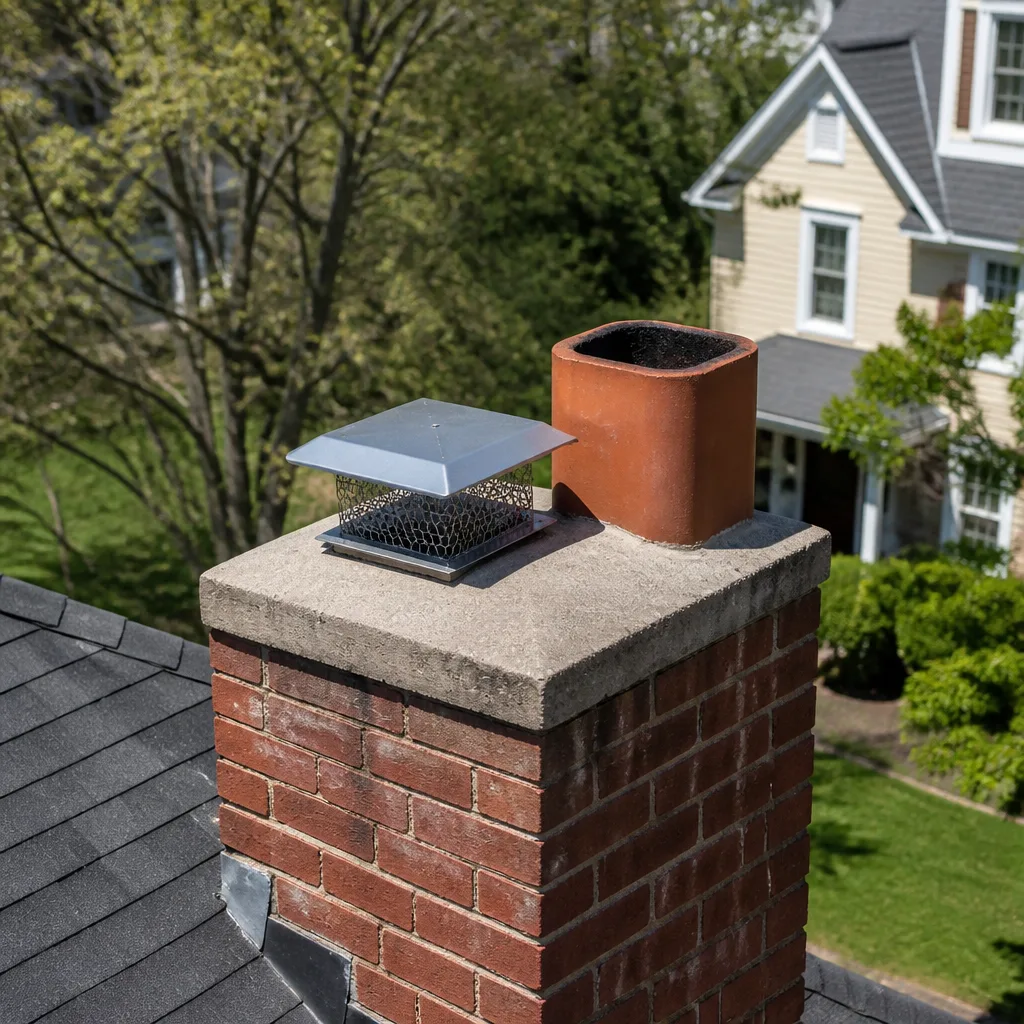
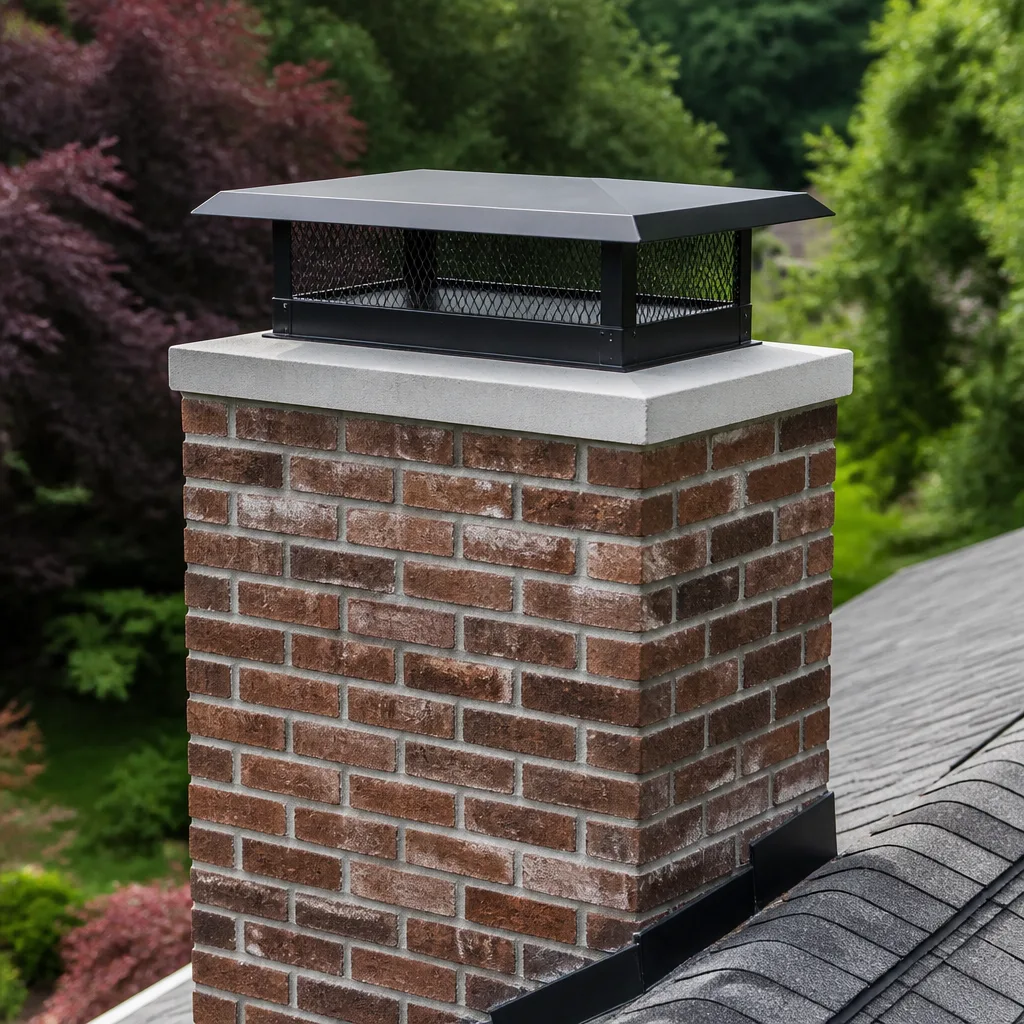
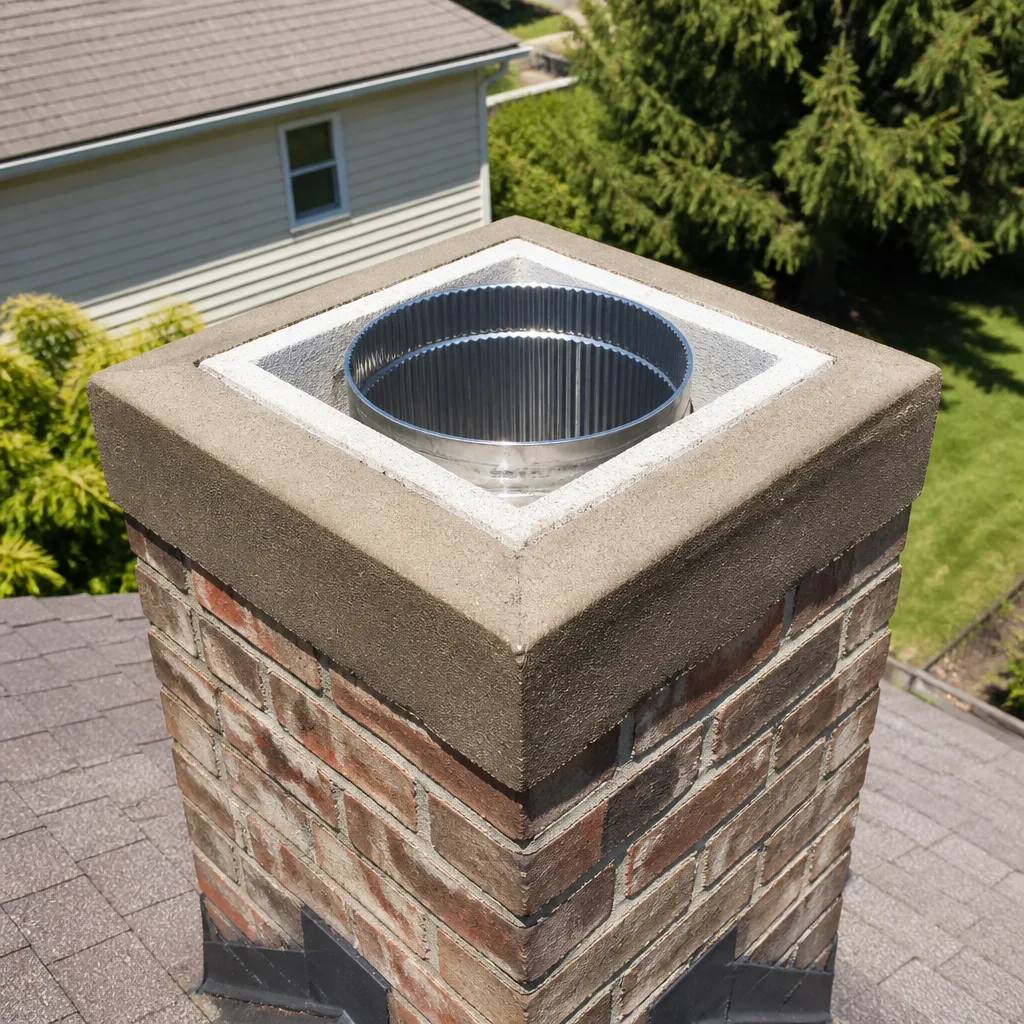
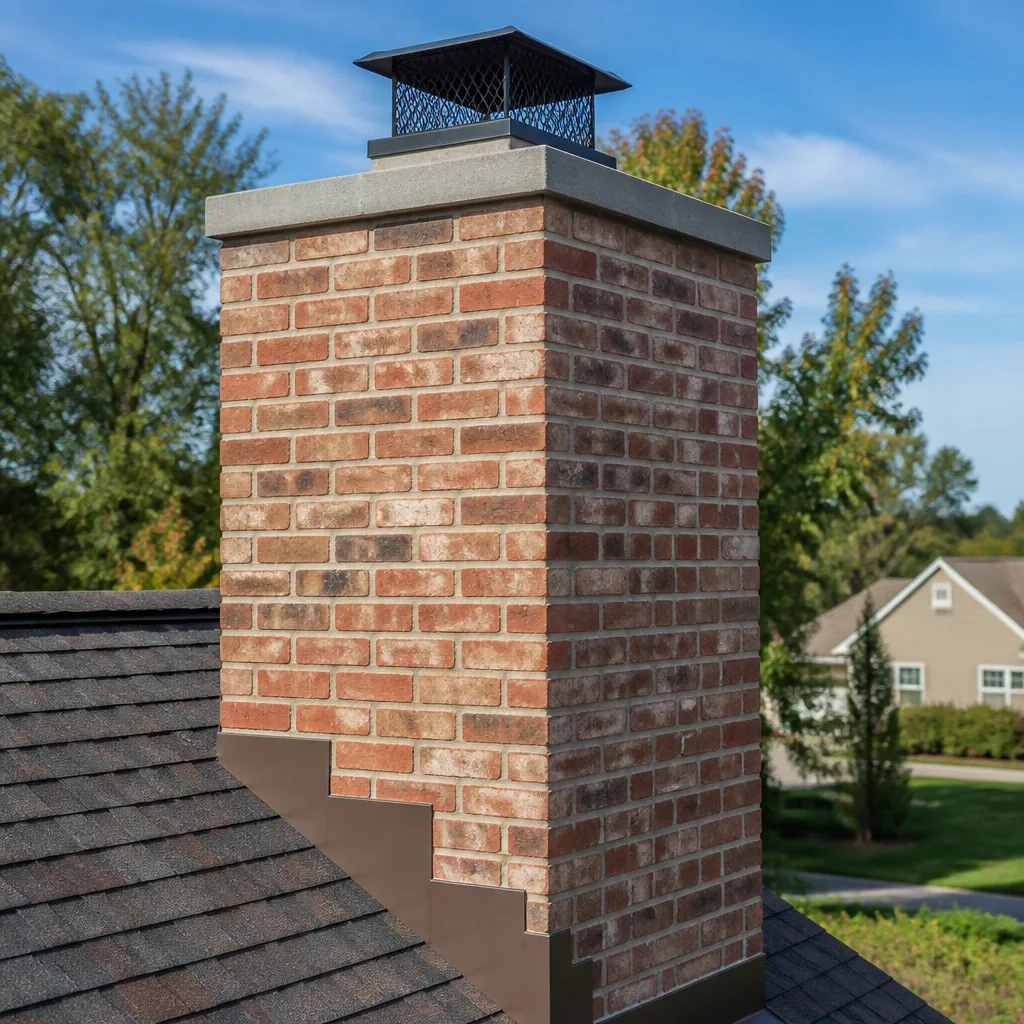
Level 1 sweep and inspection to the NFPA 211 annual standard - flue, crown, cap, and flashing checked and photographed
Chimney sweep logs do not sweep chimneys. They loosen some creosote - which then falls where a brush and vacuum still have to collect it.
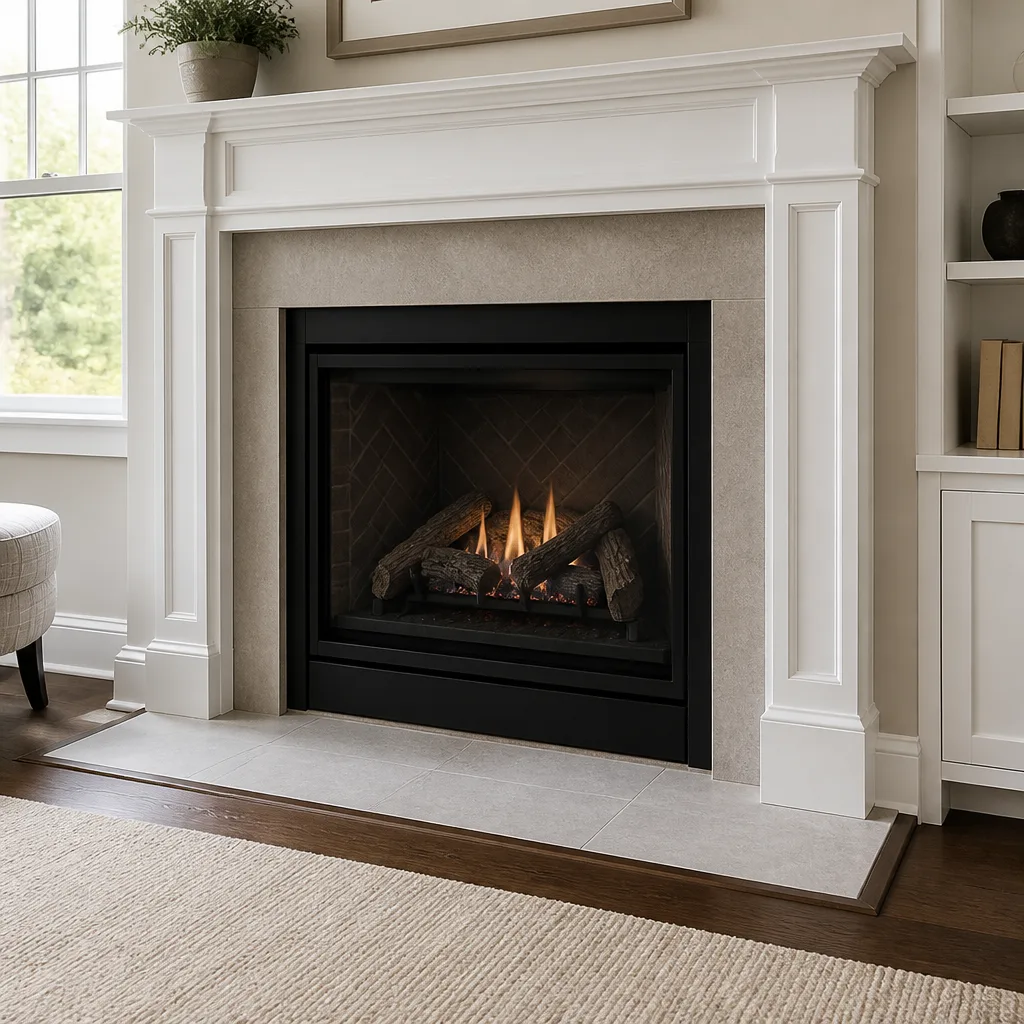
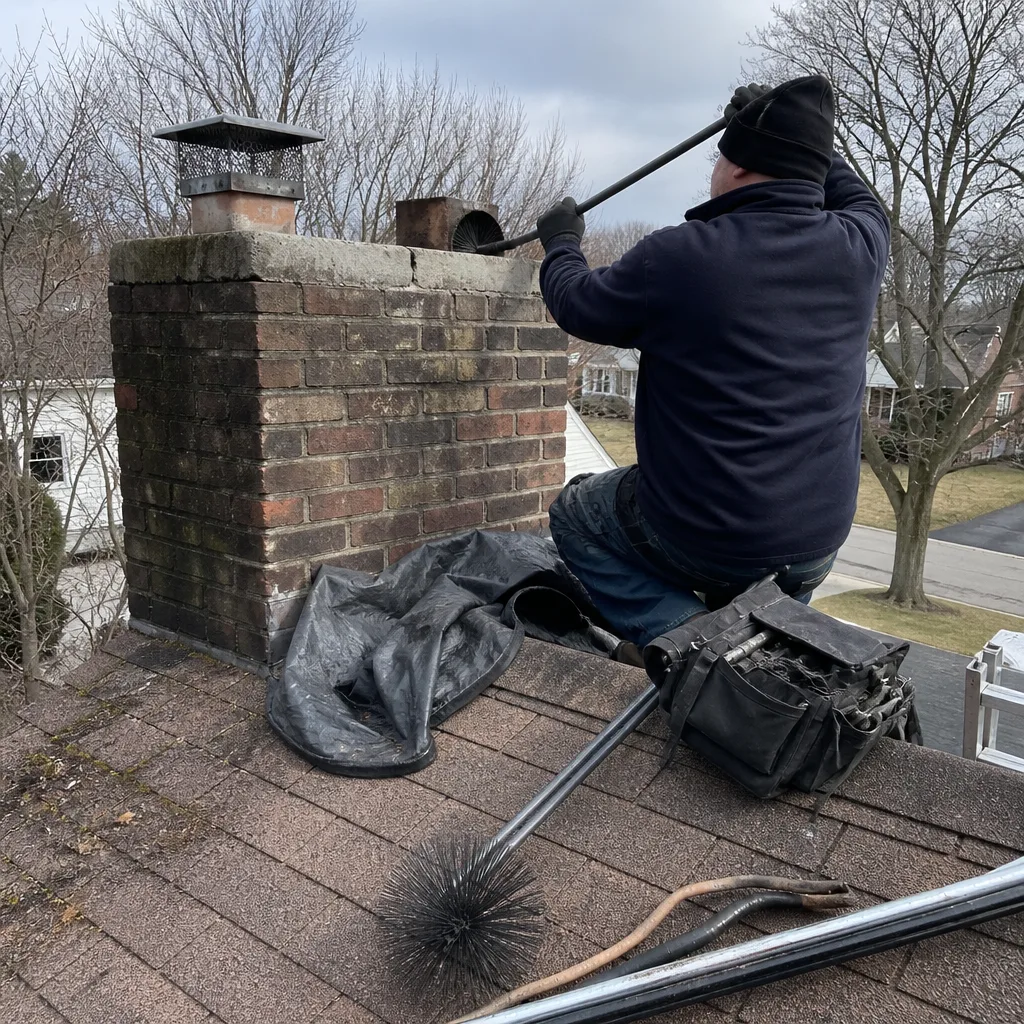 Before
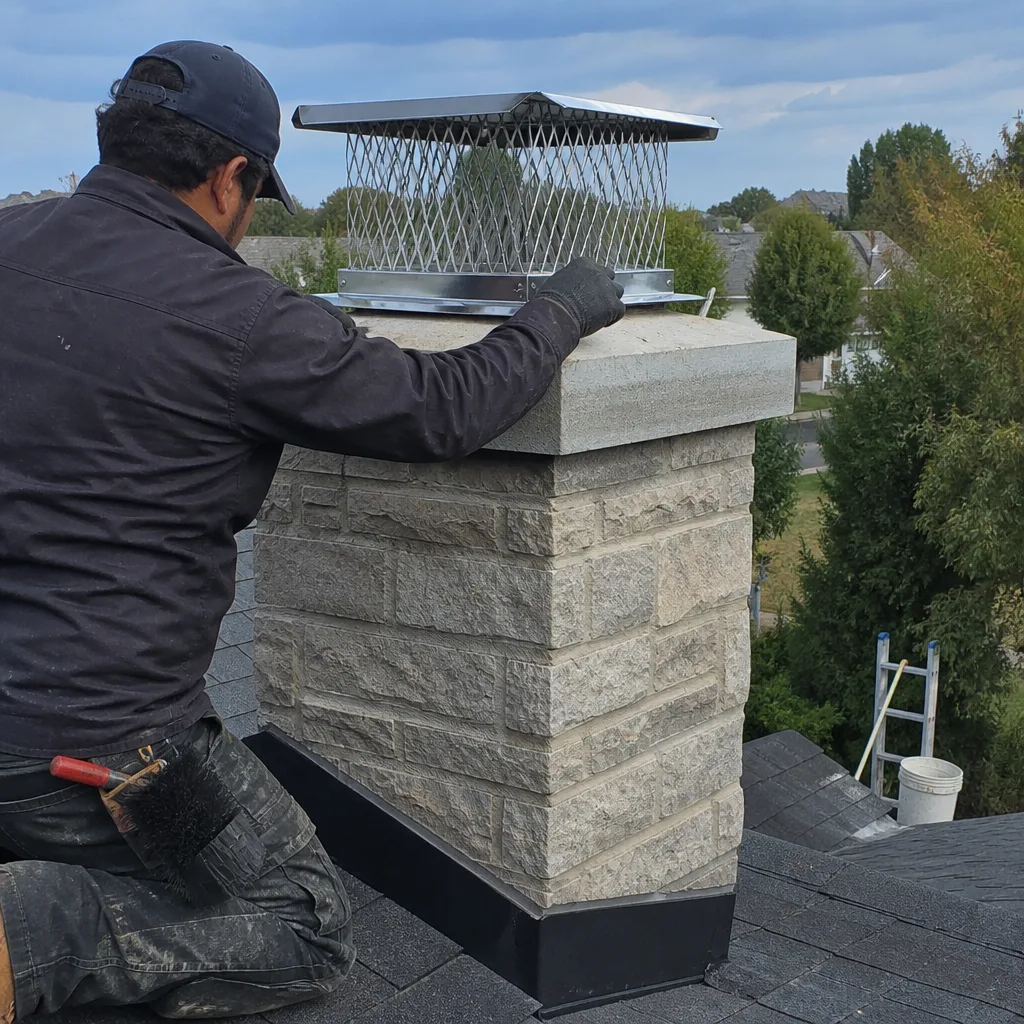 After
After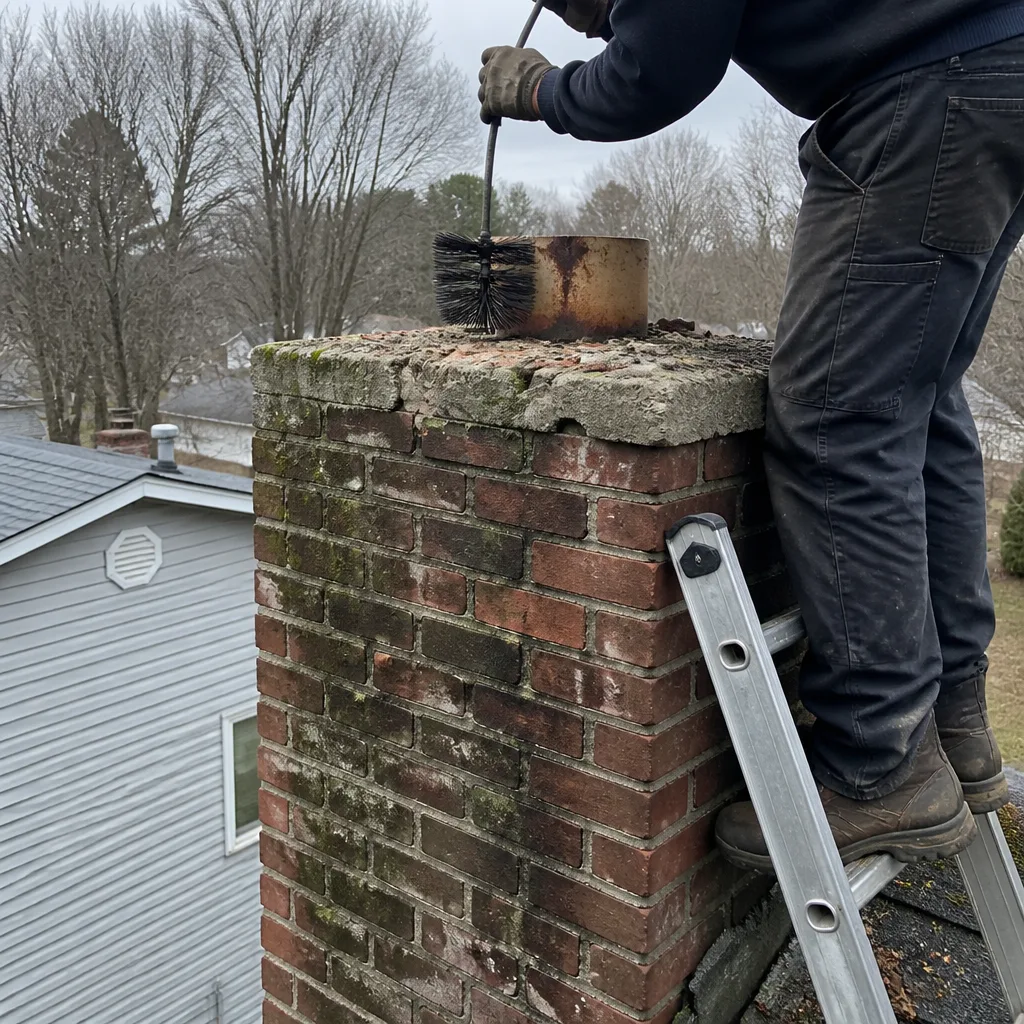 Before
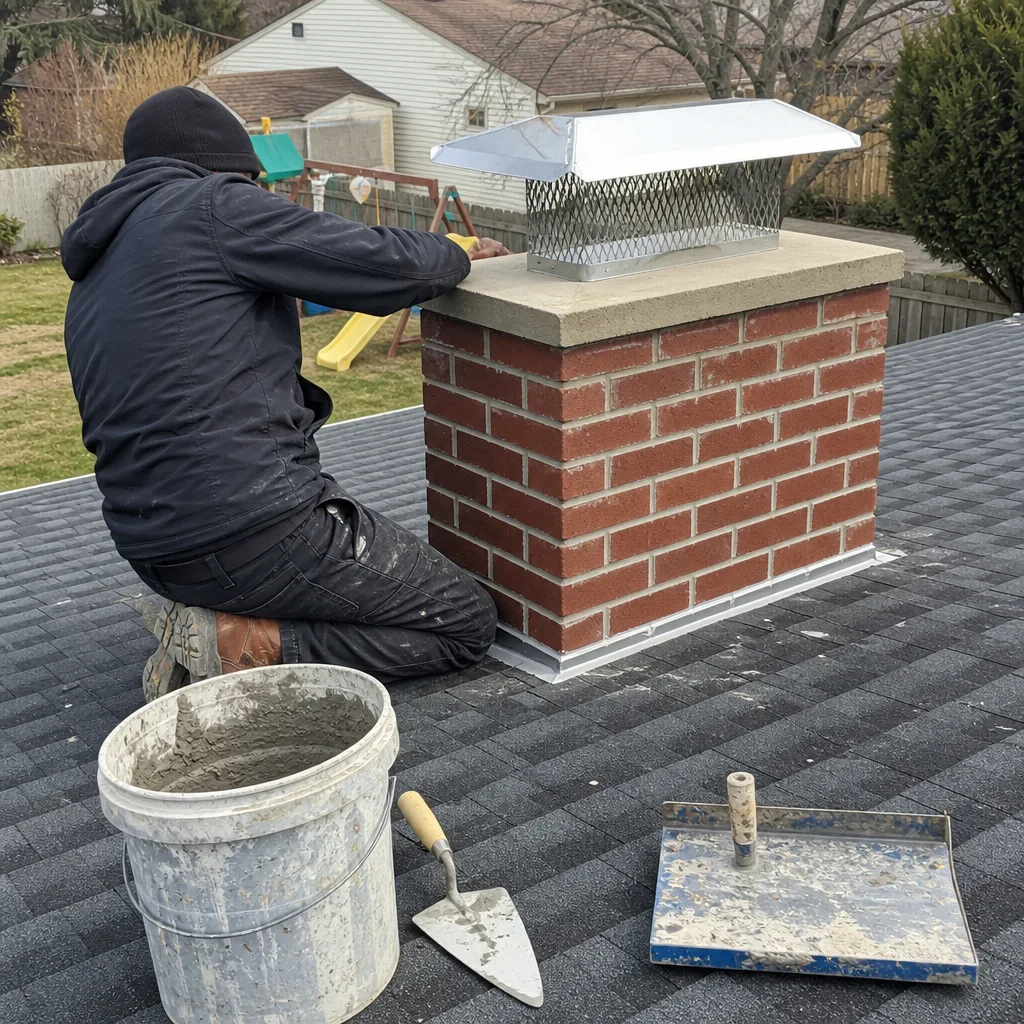 After
AfterChimney Cleaning & Sweep Maintenance Checklist for Plainview Homeowners
Most chimney checklists online were written to make homeowners feel capable of doing their own assessment. That’s flattery, not safety. There are exactly six things you can check yourself from the ground or the hearth, and roughly fourteen you cannot. Plainview’s freeze-thaw cycles, coastal humidity, and mature tree canopy create wear patterns that look subtle until they don’t. In our 42 years serving Nassau County, we’ve seen homeowners catch serious problems early because they knew what to watch for, and we’ve seen others miss a cracked crown for three seasons because no one told them where to look. This guide draws a hard line between what you can observe and what requires a trained sweep with a camera and ladder. For a deeper look at professional service, see our Chimney Cleaning & Sweep page.
Quick Answer
A thorough chimney maintenance checklist for Plainview homeowners covers six observable items you can check seasonally: exterior masonry condition, cap and flashing integrity, damper operation, firebox staining patterns, unusual odors, and hearth debris accumulation. Everything else, including flue liner condition, creosote buildup level, and structural soundness above the roofline, requires a Level-2 inspection by a certified sweep. Use this checklist to log changes between professional visits, not to replace them.
Table of Contents
- What Homeowners Can Check (The Six Observable Items)
- What Requires a Trained Sweep (The Fourteen Hidden Items)
- Exterior Checklist: Ground-Level Inspection for Plainview Homes
- Interior Checklist: No-Tools Checks at the Hearth
- How to Log Findings Season Over Season
- When to Act: Call-Now, Schedule-Soon, or Monitor
- Common Mistakes to Avoid
- When to Call a Professional
- Frequently Asked Questions
What Homeowners Can Check (The Six Observable Items)
We tell Plainview homeowners the same thing we’d tell our own neighbors: your eyes and nose are more useful than you think, but only for the things they can actually reach. These six checks take twenty minutes, require no tools, and create a baseline that makes professional inspections more productive.
1. Exterior masonry from ground level. Stand at the curb or sidewalk and scan the chimney breast and stack with binoculars if you have them. Look for missing mortar joints, spalled brick faces, or vertical cracking. Plainview’s winter freeze-thaw cycles are hard on older mortar, especially in pre-1970s homes south of Old Country Road where the clay brick was often softer. You’re not diagnosing, you’re noticing. A hairline crack in October can be a separated course by March.
2. Cap and flashing condition. The cap sits atop the flue termination; the flashing is the metal where the chimney meets the roof. From ground level, you’re looking for visible rust, gaps, or missing sections. A cap that looks tilted or a flashing seam that’s lifted means water has a path inside. In Plainview’s mature neighborhoods, like the tree-lined streets off Manetto Hill Road, falling branches can knock caps askew without a homeowner noticing until water stains appear.
3. Damper operation. Open and close the damper fully. It should move smoothly and seat completely in both directions. A damper that sticks, grinds, or won’t seal creates two problems: heat loss when closed and smoke backup when open. Note the position when you find it. We’ve arrived at Plainview homes where the damper had been half-closed for two seasons.
4. Firebox staining patterns. Look at the back and side walls of the firebox. Light soot is normal. White or gray powdery deposits indicate moisture intrusion. Black, oily streaking near the top suggests poor draft or green wood. Cracked or missing firebrick is a call-now item, not a monitor item. The firebox takes the most direct heat, and its condition reflects what happens inside the flue.
5. Odor profile. A healthy chimney smells like nothing, or faintly of ash after recent use. A strong, sharp odor, especially in humid summer months, usually means creosote buildup interacting with moisture. A musty smell suggests water entry. A sulfurous or rotten-egg smell is rare but serious, potentially indicating a gas leak or dead animal. Note when the odor appears, relative to weather and HVAC use.
6. Hearth debris and surround condition. Check for mortar crumbs, brick fragments, or rust particles on the hearth. These are messages from above. Also note any new gaps between the firebox and facing material, or heat discoloration on the mantel or wall. Plainview’s older colonials often have original plaster surrounds that crack with normal settling, but new cracking after heating season starts is worth flagging.
These six items are your domain. Log them. Photograph them. Bring the log to your sweep appointment. What follows is not.
What Requires a Trained Sweep (The Fourteen Hidden Items)
The items below require specialized equipment, physical access, or training to interpret. A homeowner cannot assess them meaningfully, and any checklist that suggests otherwise is doing you a disservice.
- Flue liner condition: Cracks, gaps, and deterioration in clay tile, stainless steel, or cast-in-place liners require a camera inspection. We use a Level-2 camera inspection that produces photos the homeowner can see, with a plain-English verdict on whether the liner is sound, monitorable, or needs replacement.
- Creosote buildup level and type: Stage 1 (sooty), Stage 2 (flakey), and Stage 3 (glazed, tar-like) require different removal methods. Stage 3 glazed creosote cannot be removed with standard brushing and requires chemical treatment or rotary equipment.
- Chimney crown integrity: The concrete or mortar cap that seals the top of the chimney structure. Hairline cracks allow water penetration that destroys the chimney from the top down. Crown assessment requires ladder access and often repair with professional-grade crown sealants.
- Smoke chamber condition: The area above the damper and below the flue. Parged (smooth-finished) smoke chambers reduce creosote accumulation; corbeled (stepped brick) chambers create turbulence and buildup. This requires a camera and light source.
- Clearance to combustibles: The hidden space between the chimney structure and surrounding framing. Only accessible during construction or with specialized inspection ports.
- Flue sizing and draft performance: Measured with a manometer and compared to appliance specifications. Undersized or oversized flues cause poor draft, smoke spillage, and accelerated creosote formation.
- Chimney height and surrounding topography: Plainview’s building stock varies from split-levels on flat lots to two-story colonials on raised grades. Proper draft depends on height relative to the roof peak and nearby trees. A sweep calculates this on site.
- Waterproofing and sealant condition: Professional-grade water repellents like those from Olympia Chimney require reapplication every 5-10 years. Assessment requires close inspection of absorption rates.
- Structural stability above the roofline: Lean, separation from the house, or foundation settlement. Requires measurement and comparison to prior conditions.
- Animal intrusion and nesting: Raccoons, squirrels, and chimney swifts are active in Plainview’s wooded sections. Removal and exclusion require proper equipment and often wildlife permits.
- Gas log and insert venting: Direct-vent and B-vent systems have specific clearance and termination requirements. Improper installation is common in retrofitted fireplaces.
- Tuckpointing and masonry repair scope: Determining whether mortar joints need spot repair, partial rebuild, or full reconstruction requires probing and structural assessment.
- Stainless steel liner sizing and installation: When a clay liner is compromised, a DuraFlex or similar professional-grade stainless liner may be specified. Sizing requires NFPA 211 calculations.
- Code compliance and permit status: Plainview follows the New York State Uniform Fire Prevention and Building Code, with Nassau County amendments. Work above $20,000 or involving structural modification requires permits. A sweep knows what’s current.
The boundary is simple: if you need a ladder, a light, a camera, or a codebook, it’s not a homeowner check. It’s a sweep’s work.
Exterior Checklist: Ground-Level Inspection for Plainview Homes
Plainview’s housing stock spans ranch-style homes built in the 1950s and 1960s, split-levels from the 1970s, and colonials from the 1980s through early 2000s. Each era has typical chimney configurations, and each has typical failure modes. Here’s how to do a ground-level exterior check that actually matters.
Step 1: Choose your observation points. You’ll want three: directly across the street or yard for a straight-on view of the stack; from each side to check for lean or separation; and from beneath the eaves if possible to see the flashing seam. In Plainview’s tighter lots, like those off Central Park Road or near the Plainview-Old Bethpage Park, you may need to walk to the corner to get a clear angle.
Step 2: Scan the chimney cap. Is it present? Is it centered? Is the mesh intact? A missing cap means open flue to rain, leaves, and animals. A galvanized cap will show rust streaks on the brick below. We install Famco and Copperfield caps in Plainview because they hold up to our coastal humidity better than big-box alternatives. If you see rust, note it. If you see daylight through the mesh, note it.
Step 3: Examine mortar joints. Use binoculars or a zoomed phone photo. You’re looking for three things: recessed joints (the mortar has worn away, creating shelf-like gaps), powdering (the mortar crumbles to dust when touched, though you shouldn’t touch it), and vertical cracking that runs through both brick and mortar. Horizontal cracking is less common and more serious, often indicating structural movement. In Plainview, the freeze-thaw cycle between January and March is when most new cracking appears.
Step 4: Check the flashing. This is the L-shaped metal where the chimney penetrates the roof. From ground level, you want to see clean, continuous lines with no lifted corners, no caulk gaps, and no staining on the shingles below. Staining means water is getting past the flashing. In our experience, Plainview homes with original flashing from the 1960s and 1970s are often due for replacement, especially if the roof has been reshingled without addressing the chimney interface.
Step 5: Look for efflorescence. White, powdery deposits on the brick surface mean moisture is moving through the masonry and depositing salts. It’s not immediately dangerous, but it’s a reliable indicator that water is finding a way in. On north-facing chimneys in Plainview, which stay shaded and damp longer, efflorescence is common and worth monitoring for progression.
Step 6: Note vegetation and tree contact. Branches rubbing against the chimney wear mortar and hold moisture. Vines, especially English ivy, root in mortar joints and accelerate deterioration. Plainview’s mature oak canopy is beautiful and destructive in equal measure.
Log what you see with dates and photos. Even if nothing looks wrong, a baseline photo from October 2024 makes the October 2025 comparison meaningful.
Interior Checklist: No-Tools Checks at the Hearth
The interior checks require no equipment beyond a flashlight and your attention. Do them in September, before the first fire, and again in March, after the last.
- Damper cycle test. Open fully. Close fully. Repeat three times. Note any grinding, catching, or incomplete closure. A damper that won’t seal costs you heating dollars and indicates either rust, creosote buildup on the frame, or frame distortion from heat.
- Firebox wall inspection. Shine your flashlight at an angle across the back and side walls. This raking light reveals cracks and spalling that direct light hides. Look for missing or loose firebrick, and note any mortar that has fallen to the hearth. In Plainview, we see accelerated firebrick deterioration in homes that burn pressed logs exclusively; the concentrated heat is harder on refractory materials than seasoned hardwood.
- Hearth extension check. The hearth must extend far enough to catch sparks. Current code requires 16 inches in front and 8 inches to each side of the opening, but many Plainview homes built before 1980 have smaller hearths. You’re not enforcing code, you’re noting whether the existing hearth is adequate for how you actually use the fireplace.
- Smoke shelf and throat visual. With the damper open and a flashlight aimed upward, you can see the smoke shelf (the flat area behind the damper) and the throat (the narrow passage above it). Heavy soot accumulation here indicates overdue cleaning. Shiny, tar-like deposits indicate Stage 3 creosote. If you see either, schedule a sweep before the next fire.
- Surround and mantel heat check. After a fire, place your hand on the wall above and beside the fireplace opening. Warm is normal. Hot enough that you pull your hand away is not. This indicates improper clearance to combustibles and is a call-now item.
- Odor assessment. Close the damper, leave the room for an hour, return and sniff. A sharp, acrid smell suggests creosote. A musty smell suggests water. No smell is the goal. Note the outdoor temperature and humidity; odors are more pronounced on humid days above 70 degrees, which describes many Plainview summer afternoons.
Record your findings in a simple notebook or phone note. “Sept 15: damper sticks at 3/4 open, firebox right wall new crack 4 inches, odor faint acrid.” This is the log your sweep will read with you.
How to Log Findings Season Over Season
A checklist without a log is a memory test, and memory is unreliable. We recommend a simple format that takes two minutes per entry and creates a record that spans decades of homeownership.
The format:
- Date: When you did the check
- Weather: Temperature, recent precipitation, humidity if known
- Last professional service: Date and company
- Exterior observations: Cap, flashing, mortar, efflorescence, vegetation
- Interior observations: Damper, firebox, hearth, odor, surround heat
- Fires since last check: Approximate count, fuel type
- Photos: Same angles each time, dated
The value is in comparison, not in any single entry. A crack that grows from 2 inches to 6 inches over two seasons tells a different story than a crack that appears suddenly after a windstorm. Efflorescence that spreads from the base to mid-stack indicates worsening water intrusion. A damper that operated smoothly last year and sticks this year suggests creosote accumulation or frame distortion.
Bring this log to every professional appointment. A sweep who can see three years of your observations will ask better questions and inspect more precisely. At Hearthstone Chimney Co., we photograph what we find and add our images to your record, so the comparison continues across our visits too.
For Plainview homeowners in neighborhoods with mature trees, like those near the Plainview Water District woods or along the greenbelts, we also recommend noting storm dates. The microburst that took down limbs on your street in July may have damaged your cap without your knowledge. A log entry “July 18 storm, large oak branch in yard, cap inspection added” connects events that would otherwise seem unrelated.
When to Act: Call-Now, Schedule-Soon, or Monitor
Not every finding demands immediate action, and not every finding can wait. Here’s how we categorize what you observe.
Call-now items (same week, before next fire):
- Visible firebox cracks or missing firebrick
- Damper that will not fully open
- Smoke spillage into the room during a fire
- Strong, persistent odor of gas or rotten egg
- Loose or separated chimney structure above the roofline
- New water staining on ceiling or walls adjacent to chimney
These indicate active hazards: fire risk, carbon monoxide risk, or structural failure risk. The chimney should not be used until assessed. In Plainview, our live answer line is staffed 24 hours a day, 7 days a week. If you’re unsure whether something qualifies as call-now, call. We’ll tell you straight.
Schedule-soon items (within 2-4 weeks):
- Visible creosote buildup (shiny or thick soot)
- Damper that sticks or grinds but still operates
- Missing or damaged cap
- Lifted flashing or visible rust streaks
- Efflorescence that is new or spreading
- Recurrence of odor after previous cleaning
These indicate developing problems that will worsen with use or weather exposure. Schedule a chimney cleaning and inspection before the next heating season intensifies. Our fireplace services in Plainview include priority scheduling for monitored findings.
Monitor items (log and recheck in 3-6 months):
- Minor mortar recession without cracking
- Light efflorescence that is stable year over year
- Slight damper noise that does not affect operation
- Cosmetic staining that does not indicate active leak
- Previous repair that appears intact
Monitor items are where homeowners most often make mistakes, either by ignoring something that worsens or by calling for service that isn’t yet needed. The log is your protection against both errors. If a monitor item changes category, act accordingly.
Common Mistakes to Avoid
- Using a fireplace as a diagnostic tool. “Let’s light a small fire and see if it smokes” is how homeowners turn a draft problem into a house fire. If you suspect a problem, don’t test it with flame. Call for inspection.
- Assuming no odor means no creosote. Odor is unreliable. Some creosote deposits have little smell, especially in dry winter air. Annual inspection is the only reliable indicator, regardless of what you smell or don’t smell.
- Cleaning the firebox but ignoring the flue. A clean firebox is satisfying and visible. A dirty flue is invisible and dangerous. The firebox is 10% of the system. The flue is where fires start.
- Hiring based on the lowest phone quote. In Plainview, we’ve corrected work from sweeps who quoted $89 over the phone and left the chimney dirtier than they found it, or worse, damaged the liner with improper tools. Ask about camera inspection, written findings, and what the quote includes. No-hassle upfront pricing means the number on the estimate is the number on the invoice. If they can’t explain the scope, keep calling.
- Waiting for “the right time” to schedule. October through December is peak demand. Sweeps are booked, prices may rise, and you’re using the fireplace while waiting. Schedule in August or September. The chimney doesn’t care when you call, but your calendar does.
- Ignoring the chimney after switching to gas. Gas appliances produce different byproducts than wood, but they still require venting inspection. Corrosion, condensation damage, and improper liner sizing are common in converted Plainview fireplaces. A gas log does not mean maintenance-free.
- Attempting crown or flashing repair from the roof. Falls from roof height are a leading cause of homeowner injury. The work requires proper ladder placement, fall protection, and knowledge of how the chimney interfaces with roofing material. This is not a weekend project.
When to Call a Professional
Call when your log shows change. Call when you smell something new. Call when you see something you can’t categorize. Call when it’s been more than twelve months since the last professional inspection, regardless of use. Call before you buy a house with a fireplace you haven’t personally seen inspected. Call after a chimney fire, even a small one, even if it seemed to go out on its own.
The chimney repair services we provide in Plainview begin with a Level-2 camera inspection that produces photos you can see and a plain-English verdict you can understand. Nothing is recommended without evidence. If work can safely wait, we say so. If it can’t, we show you why. Our 90-Day Done Right Promise means if it’s not right, we make it right, in writing, no arguing.
Hearthstone Chimney Co. offers free estimates in Plainview. Call (934) 348-4832. A live person answers, every hour of every day.
Frequently Asked Questions
A standard chimney cleaning and Level-1 inspection in Plainview typically ranges from $200 to $350, depending on accessibility, flue configuration, and creosote buildup level. A Level-2 inspection with camera, required for real estate transactions or after chimney fires, ranges from $300 to $500. Our $89 Seasonal Tune-Up covers basic cleaning for straightforward systems during off-peak months. Call (934) 348-4832 for an exact quote. Estimates are free.
The National Fire Protection Association recommends annual inspection for all chimneys, and cleaning as needed based on creosote accumulation. For Plainview homeowners who burn wood as a primary heat source, that usually means annual sweeping. Occasional users may inspect annually and clean every two to three years if creosote levels remain low. Gas fireplaces require annual inspection of the venting system, though cleaning needs are typically minimal. The determining factor is what the inspection reveals, not the calendar alone.
A reputable sweep shows you camera photos of the liner condition and explains the specific defect. Cracked clay tile, separated joints, or gaps in a stainless liner are not subjective. They are documented, measurable, and code-defined. At Hearthstone, nothing is recommended without camera evidence you can see for yourself. If you’re uncertain, our Free Second Opinion on any written estimate lets you compare findings without cost or pressure. A liner that is sound will be described as sound. One that is compromised will be shown to you, not just claimed.
Skipped maintenance leads to creosote accumulation, which increases chimney fire risk. It leads to moisture intrusion, which destroys masonry from the inside. It leads to liner deterioration, which can allow heat and combustion gases into wall cavities. In Plainview’s older homes, where framing is often closer to the chimney than current code allows, the consequences of delayed maintenance are amplified. Carbon monoxide exposure from blocked or damaged flues is the silent risk. The visible risk is a chimney fire that extends to the structure. Both are preventable with annual inspection.
You can and should do the six observable checks outlined in this guide. They cost nothing, require no tools, and create a record that makes professional service more effective. What you cannot do is assess flue liner condition, measure creosote buildup accurately, or evaluate structural integrity above the roofline. The checklist is designed to separate these domains clearly. Use it for what it’s for, and call a sweep for what they’re for.
Plainview follows the New York State Uniform Fire Prevention and Building Code, with Nassau County amendments. Chimney repairs exceeding $20,000, structural modifications, or new chimney construction require permits and inspection by the Town of Oyster Bay Building Department. Most routine maintenance, cleaning, and minor repairs do not. If your sweep recommends work that may require permitting, they should say so explicitly and explain the process. At Hearthstone, we handle permit applications as part of our service when they’re needed, and we tell you when they’re not.
The Bottom Line
A useful chimney checklist separates what you can see from what you can’t, and it tells you what to do with each. The six homeowner checks in this guide, done twice yearly and logged with dates and photos, will catch most developing problems before they become emergencies. The fourteen sweep-only items require professional equipment and training, and no amount of online research substitutes for that. In Plainview’s climate, with its freeze-thaw cycles, coastal humidity, and mature tree canopy, the boundary between observation and expertise is especially important. Use this guide as a tool, not a replacement for the toolbelt. Done right, and we stand behind it.
Written by Russell Haines, Owner at Hearthstone Chimney Co., serving Plainview since 2014.