
Last updated September 10, 2026
Level 1 sweep and inspection to the NFPA 211 annual standard - flue, crown, cap, and flashing checked and photographed
Chimney sweep logs do not sweep chimneys. They loosen some creosote - which then falls where a brush and vacuum still have to collect it.
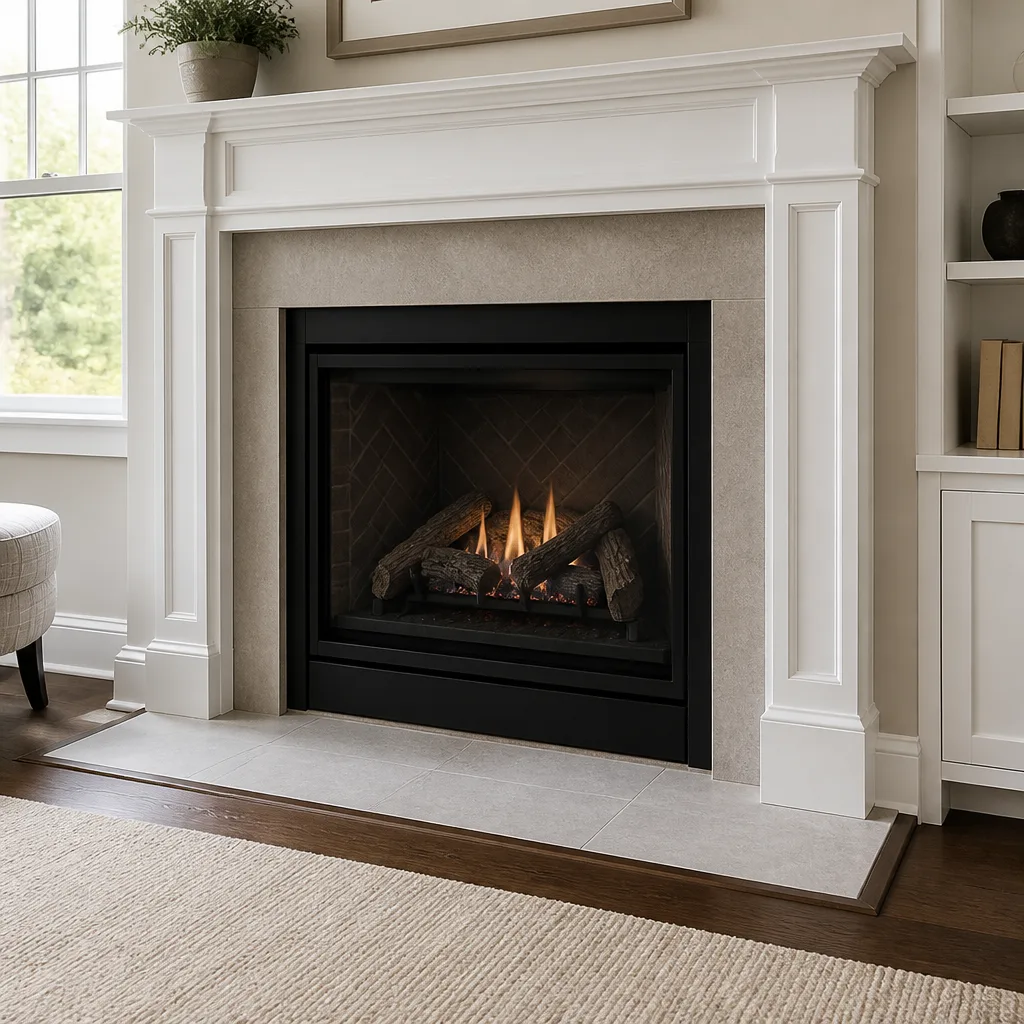
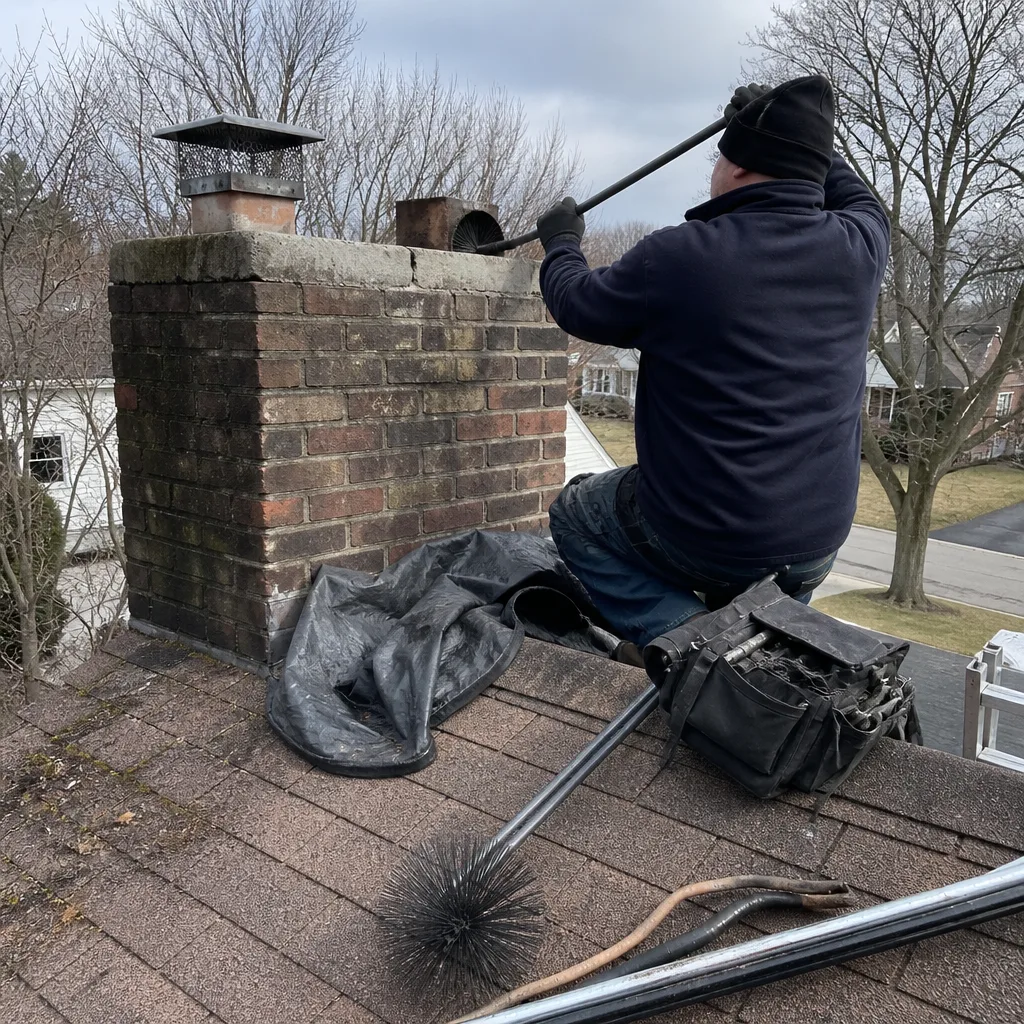 Before
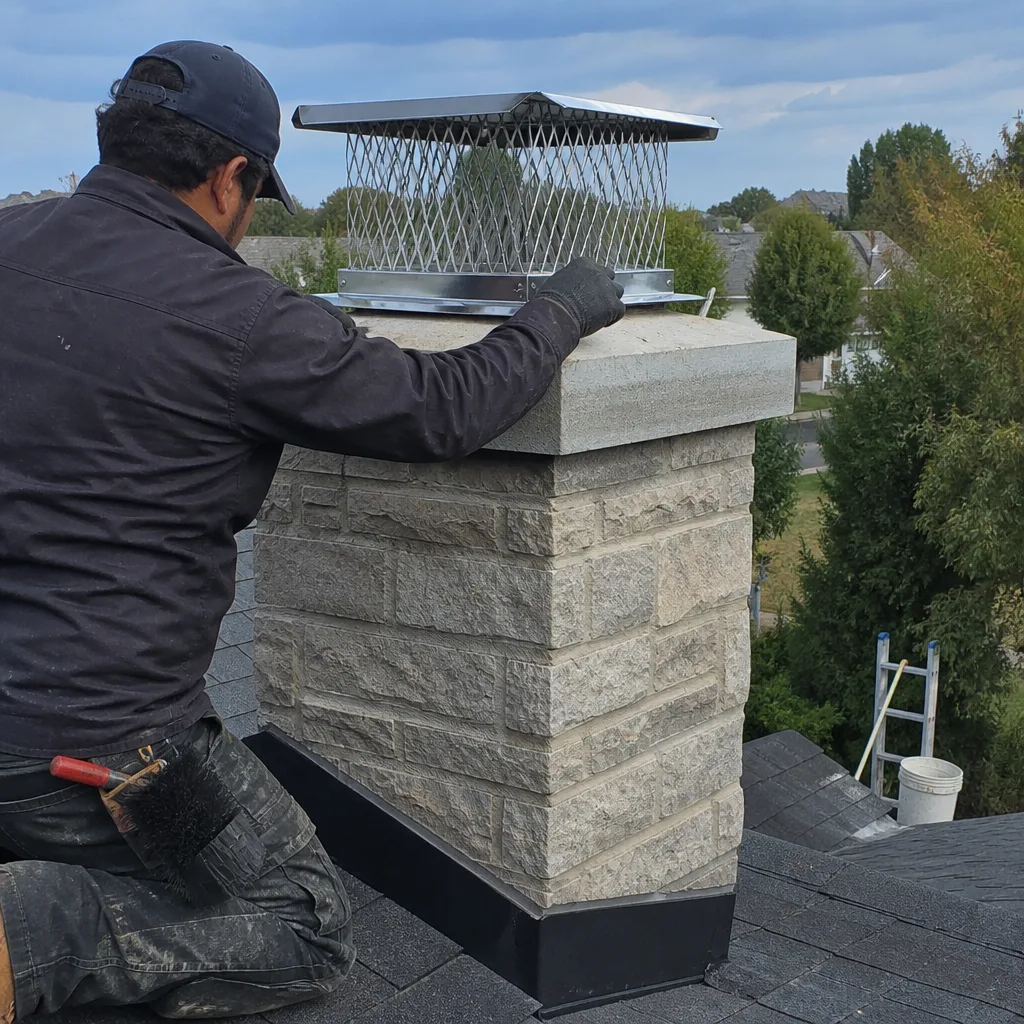 After
After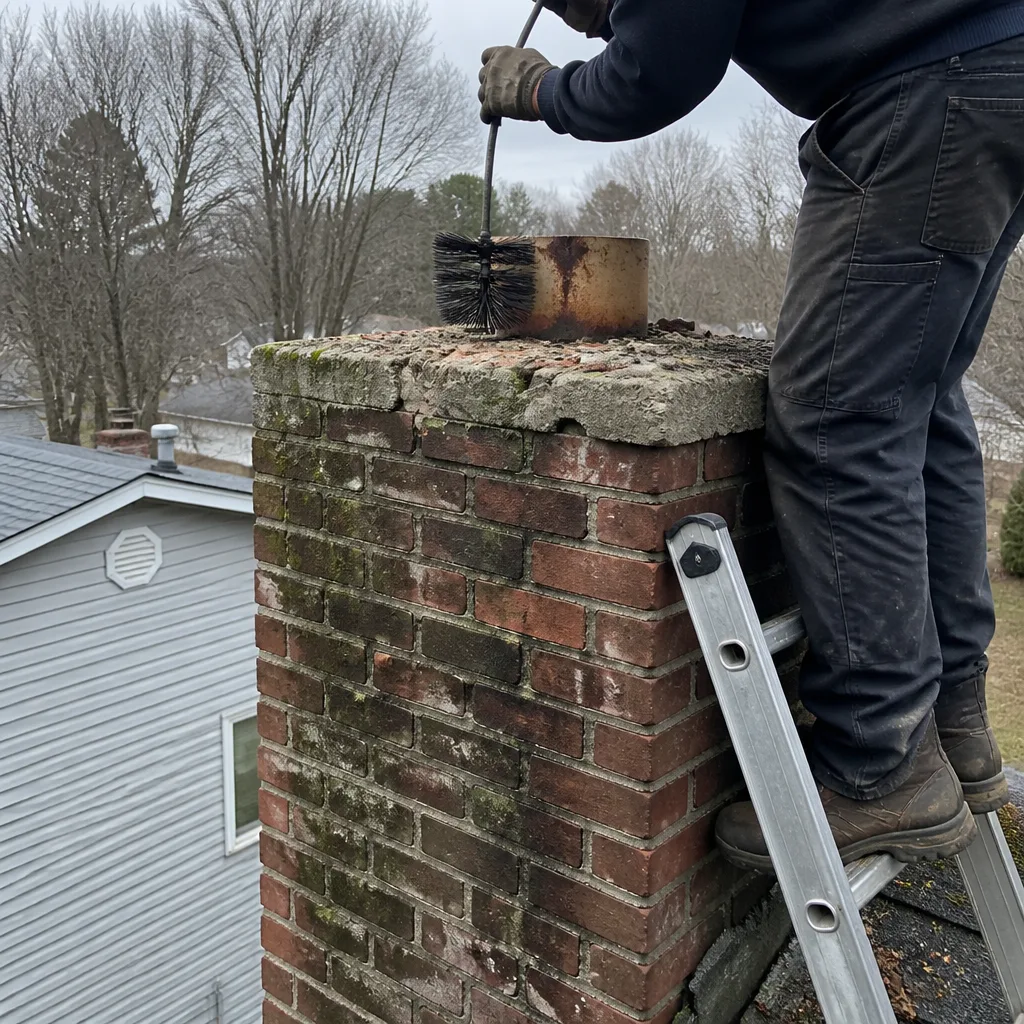 Before
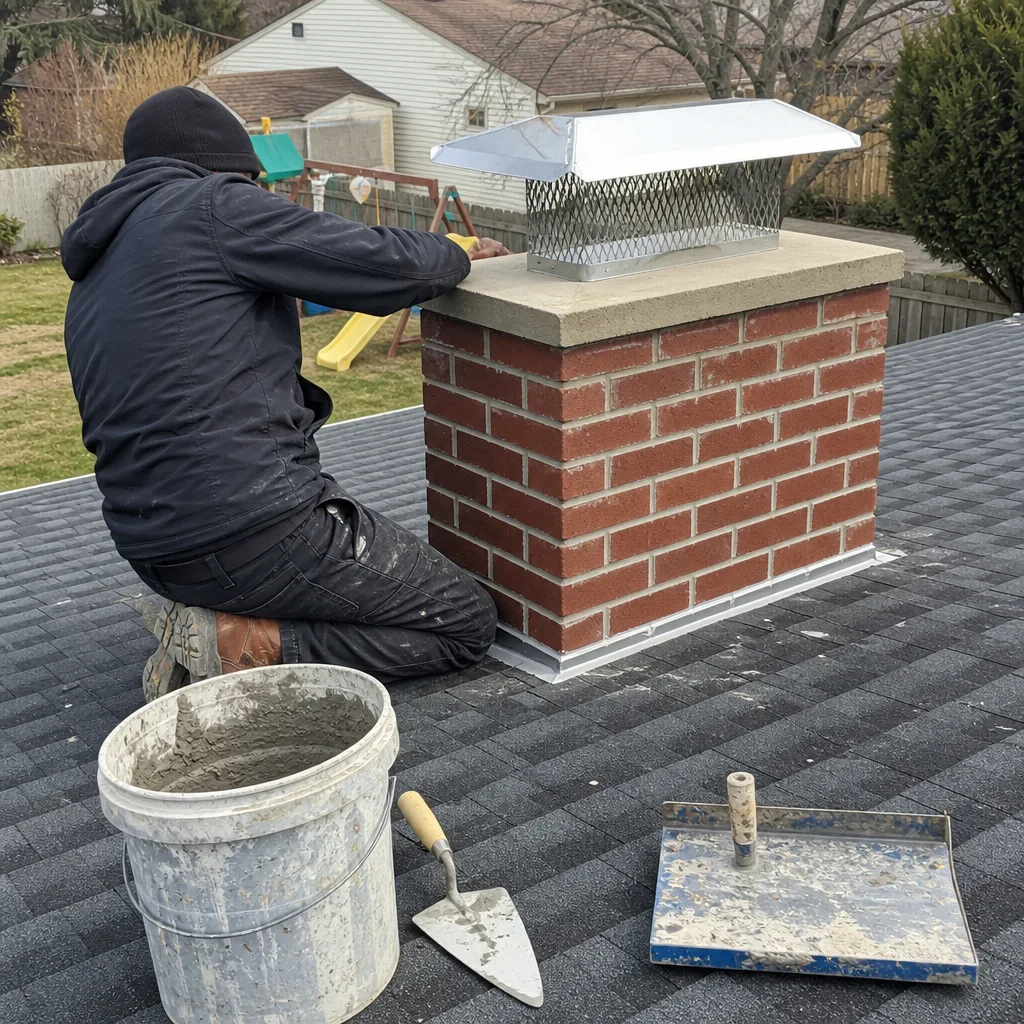 After
AfterChimney Cleaning Warning Signs: A Plainview Homeowner’s Reference Guide
A chimney fire burns at 2,000°F. It often sounds like a low roar or a distant freight train - homeowners have called neighbors before they realized the sound was inside their own walls. Every one of those fires had warning signs that preceded it. In Plainview, where winters are cold enough to keep fireplaces burning four months straight and summer humidity drives moisture deep into masonry, those signs appear earlier and more distinctly than homeowners realize. This guide will teach you to read your chimney the way we do: by its smell, its smoke, its stains, and its silence. For The Complete Guide to Chimney Cleaning in Plainview, see our companion resource.
Quick Answer
The most critical chimney cleaning warning signs for Plainview homeowners are: a persistent campfire or asphalt odor from the fireplace even when cold, visible smoke rolling back into the room during normal burning, black or brown staining above the firebox opening, and white powdery deposits on exterior brick. These signs indicate creosote buildup, draft failure, or water intrusion that requires professional sweeping and inspection before the next burn season.
Table of Contents
- The Three Creosote Odor Profiles and What Each Means
- Visible Smoke Behavior That Signals Draft Problems
- Firebox Staining Patterns and Combustion Quality
- Exterior Warning Signs Visible From the Ground
- Carbon Monoxide Symptoms Homeowners Mistake for Illness
- Changes in Burning Behavior and Fuel Performance
- When Plainview’s Climate Accelerates Chimney Problems
- What a Level-2 Camera Inspection Actually Reveals
The Three Creosote Odor Profiles and What Each Means
Creosote does not smell the same at every stage of buildup. We’ve learned this over 42 years of opening dampers in Plainview homes, and the odor profile tells us more than most homeowners expect about how urgently cleaning is needed.
Stage 1: The Campfire Smell. A light, pleasant woodsmoke aroma that lingers in the room hours after the fire dies. This indicates fresh, flaky creosote - soot, mostly - coating the flue walls. It is normal after burning, but if you smell it on humid summer days when the fireplace hasn’t been used in months, the creosote layer has absorbed enough moisture to become active again. In Plainview’s coastal-influenced humidity, this happens faster than inland Long Island. The fix is straightforward: a standard sweep removes it before it hardens.
Stage 2: The Asphalt or Tar Smell. A sharper, chemical edge that reminds some homeowners of road paving or roofing work. This is Stage 2 creosote: sticky, condensed, and beginning to harden into a crust. It forms when wood burns at lower temperatures - common with damp firewood or air-starved fires. The smell intensifies when the flue warms, which is why homeowners often notice it at the start of burning season. At this stage, a standard sweep may not be enough. We often need rotary cleaning with professional-grade equipment, and we always follow with a camera inspection to assess whether the layer has damaged the liner surface beneath.
Stage 3: The Burnt Sugar or Acrid Sharpness. A pungent, almost sickly-sweet odor that penetrates into adjacent rooms. This is Stage 3 creosote: hardened, glazed, and often described as looking like black glass or tar drips inside the flue. It is highly combustible and the leading fuel source in chimney fires. The smell means the deposit is thick enough to off-gas continuously. In our experience serving Plainview and surrounding Nassau County, this stage develops most often in fireplaces that see daily use through January and February without mid-season maintenance. Removal requires specialized chemical treatment and mechanical de-glazing. We do not recommend waiting - the next hot fire could ignite it.
If you recognize any of these odors, particularly the asphalt or burnt sugar profiles, Chimney Cleaning & Sweep in Plainview should be scheduled before the next use. The $89 Seasonal Tune-Up includes odor assessment and a basic sweep evaluation.
Visible Smoke Behavior That Signals Draft Problems
Smoke should rise. When it doesn’t, the reason is rarely as simple as “open the damper all the way.” We’ve diagnosed draft failures in Plainview homes where the damper was fully open, the flue was swept, and smoke still rolled into the living room. The warning signs in smoke behavior reveal problems that cleaning alone won’t fix.
Smoke puffing back into the room on startup. A brief back-puff when first lighting the fire is common - cold air sits in the flue and must be displaced. But if smoke continues to spill for more than 30 seconds after ignition, the flue may be partially obstructed. Bird nests in Plainview are a frequent culprit; starlings and sparrows nest in uncapped flues from March through July. The nest material is highly flammable and reduces draft capacity by 50% or more. A sweep removes the obstruction, but we always install a proper cap to prevent recurrence. We use caps from Famco and Olympia Chimney, sized precisely to the flue dimension.
Smoke hovering at the firebox opening while the fire burns. This indicates negative pressure in the house, often from kitchen exhaust fans, bathroom vents, or the HVAC system competing with the fireplace for air. In newer Plainview construction - or in older homes with recent energy upgrades - the house is too tight. The fireplace cannot draw. The solution is not more cleaning; it is a combustion air supply or a top-sealing damper. We assess this during our Level-2 inspection and document the pressure balance with photos you can see.
Smoke staining on the mantel or wall above the opening. Even light, tan-colored staining means smoke has been escaping consistently. The deposits are acidic and will damage paint and plaster over time. More importantly, the smoke that stains your wall is smoke that did not exit through the flue - meaning combustion byproducts, including carbon monoxide, are also entering the room. This is not a cosmetic issue. It is a safety signal.
Smoke that clears only when the fire is very small. Homeowners adapt to this gradually, building smaller and smaller fires until the draft can handle them. By then, the underlying problem - often a partially collapsed flue liner or significant creosote narrowing - has worsened. We see this pattern frequently in the ranch-style homes built in Plainview’s 1950s and 1960s building booms, where original clay tile liners are reaching end of service life.
Document what your smoke does. Take a video on your phone. The behavior is diagnostic, and a Chimney Repair in Plainview assessment may be needed if cleaning does not restore proper draft.
Firebox Staining Patterns and Combustion Quality
The back wall of your firebox tells a story if you know how to read it. After 42 years of inspections, we can often predict flue condition from firebox appearance before the camera ever goes up.
Uniform light tan or gray coating. Normal. This is fly ash and minor soot from clean combustion. It brushes off easily and does not indicate a problem.
Thick, flaky black deposits on the back wall. This indicates smoldering fires - wood loaded too tightly, damp fuel, or insufficient air supply. The same conditions produce Stage 2 and 3 creosote in the flue. The firebox staining is a preview of what we’ll find above.
White or gray powdery deposits, especially in the corners. This is efflorescence from moisture migration through the masonry. Water carries soluble salts to the surface; when it evaporates, the salts crystallize. In Plainview, this pattern accelerates after heavy rains or snowmelt, particularly in homes without proper chimney caps or with deteriorated crown seals. The moisture damages the liner from the outside while the fire damages it from within. We address both: sweep the flue, then repair the water entry with crown sealing or cap replacement using professional-grade materials.
Staining that arcs or fans upward from the firebox opening. This pattern means smoke has been escaping at the top of the opening, not rising into the flue. The cause is usually a throat damper that doesn’t seal properly or a smoke shelf that has collapsed or filled with debris. In some 1970s-era Plainview homes, we’ve found the smoke shelf was never properly constructed during original build. The repair is structural, not just cleaning.
Reddish-brown rust streaks on metal components. Corrosion of the damper frame, fire grate, or any metal insert indicates persistent moisture. Combined with the white powdery deposits, this confirms water intrusion. Rust-weakened dampers fail to seal, allowing conditioned air to escape year-round and cold downdrafts to chill the flue when the fireplace is not in use. A cold flue drafts poorly, compounding smoke problems. The cycle feeds itself.
We photograph every firebox during our Level-2 inspections and explain the staining pattern in plain English. No jargon, no scare tactics - just what we see, what it means, and what it will cost to fix.
Exterior Warning Signs Visible From the Ground
You do not need a ladder to spot serious chimney problems. Stand at your property line in Plainview and look up. These are the signs we ask homeowners to check before calling.
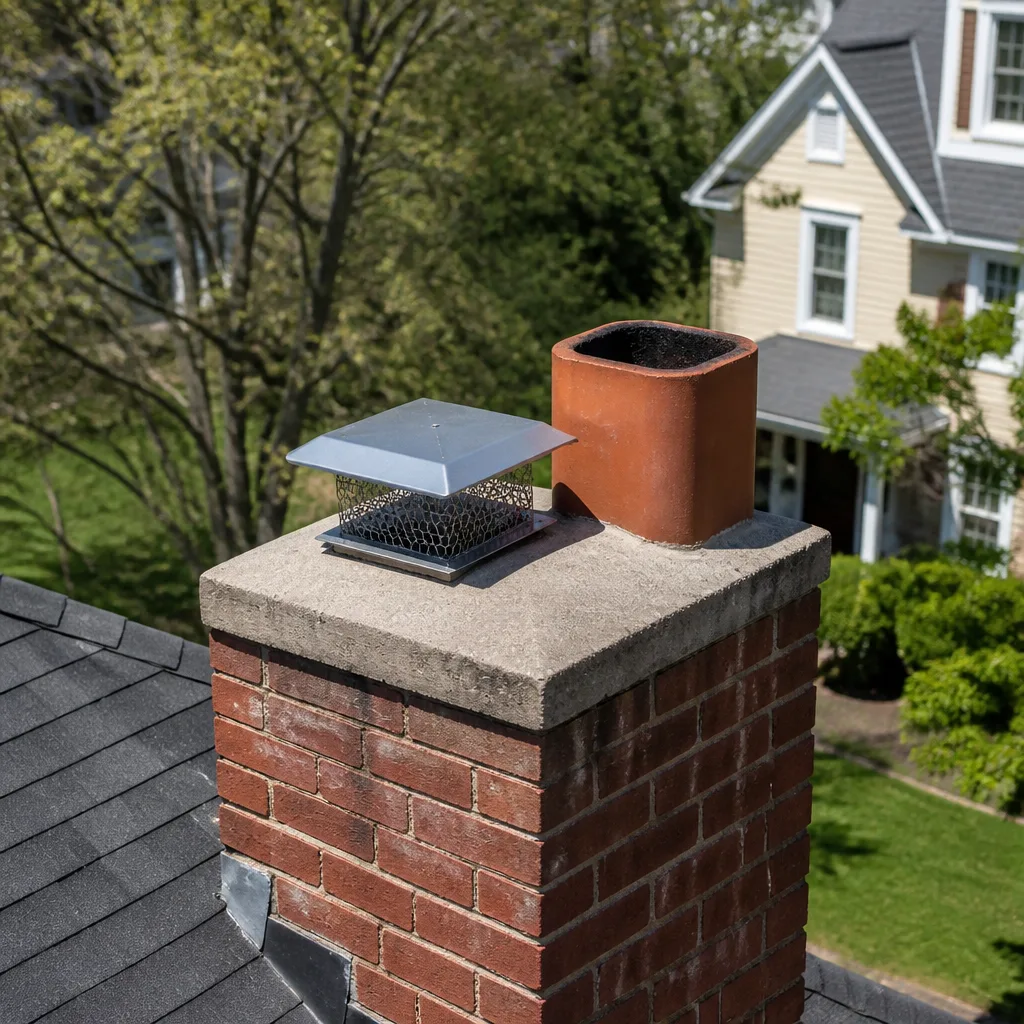
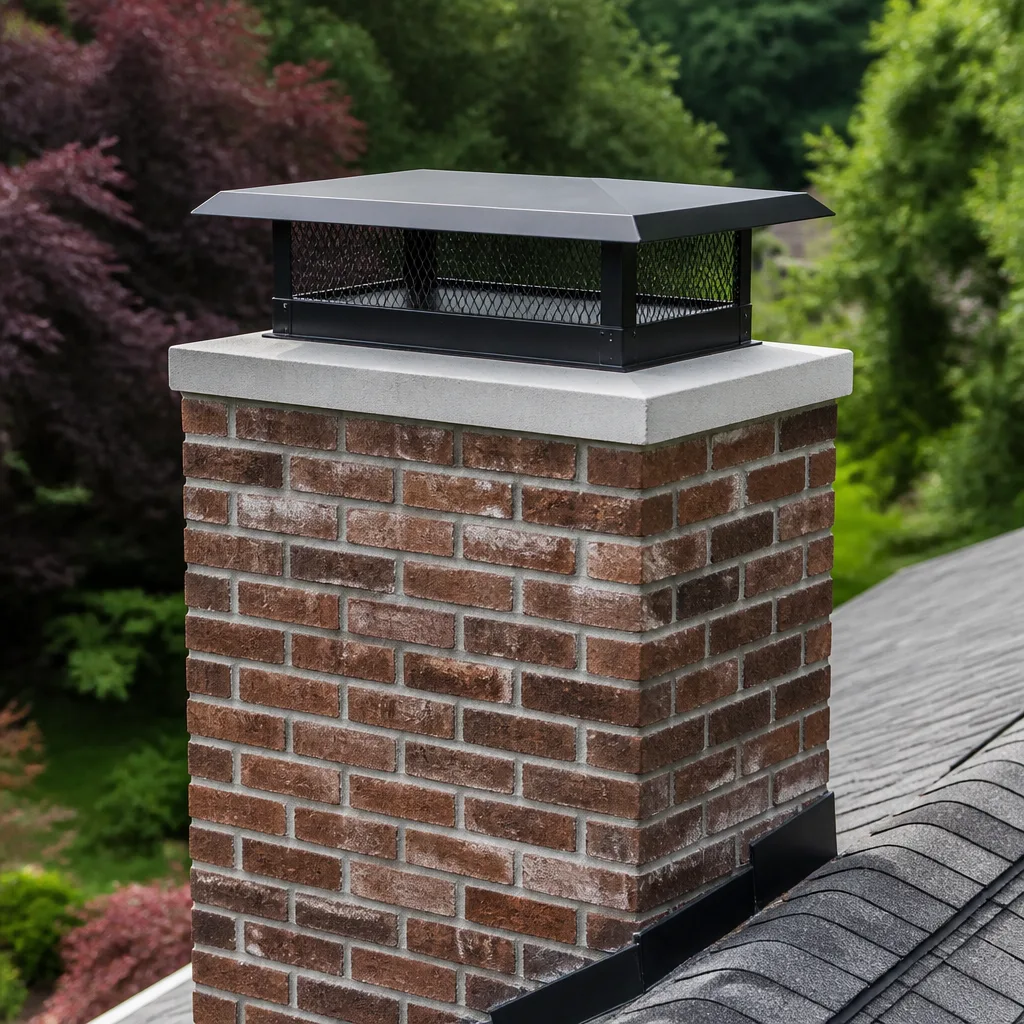
Missing or damaged chimney cap. The cap is the simplest and most effective protection your flue has. Without it, rain enters directly, animals nest, and debris accumulates. A cap with a damaged mesh screen still sheds water but won’t keep out squirrels or raccoons. A cap that has blown off entirely - common after Long Island nor’easters - leaves the flue fully exposed. We install caps from Olympia Chimney and Famco with proper fastening for wind resistance.
White chalky deposits on brick faces (efflorescence). This is the same salt crystallization seen inside the firebox, but on the exterior it indicates water moving through the entire chimney structure. The pattern matters: streaks running down from the crown mean crown failure; isolated patches on the south face suggest freeze-thaw damage in brick that absorbed moisture; a band at the roofline indicates flashing deterioration. Each pattern points to a different repair. We document this during exterior inspection and match the fix to the cause.
Spalling brick: faces flaking off like shales of stone. This is freeze-thaw damage in its advanced stage. Water enters brick pores, expands when frozen, and fractures the surface. Plainview’s freeze-thaw cycles - often 50 or more per winter - accelerate this dramatically. Spalling starts at the top of the chimney where exposure is worst and works downward. Once brick faces begin flaking, the structural integrity is compromised. Tuckpointing stops the progression if caught early; rebuild is required if delayed.
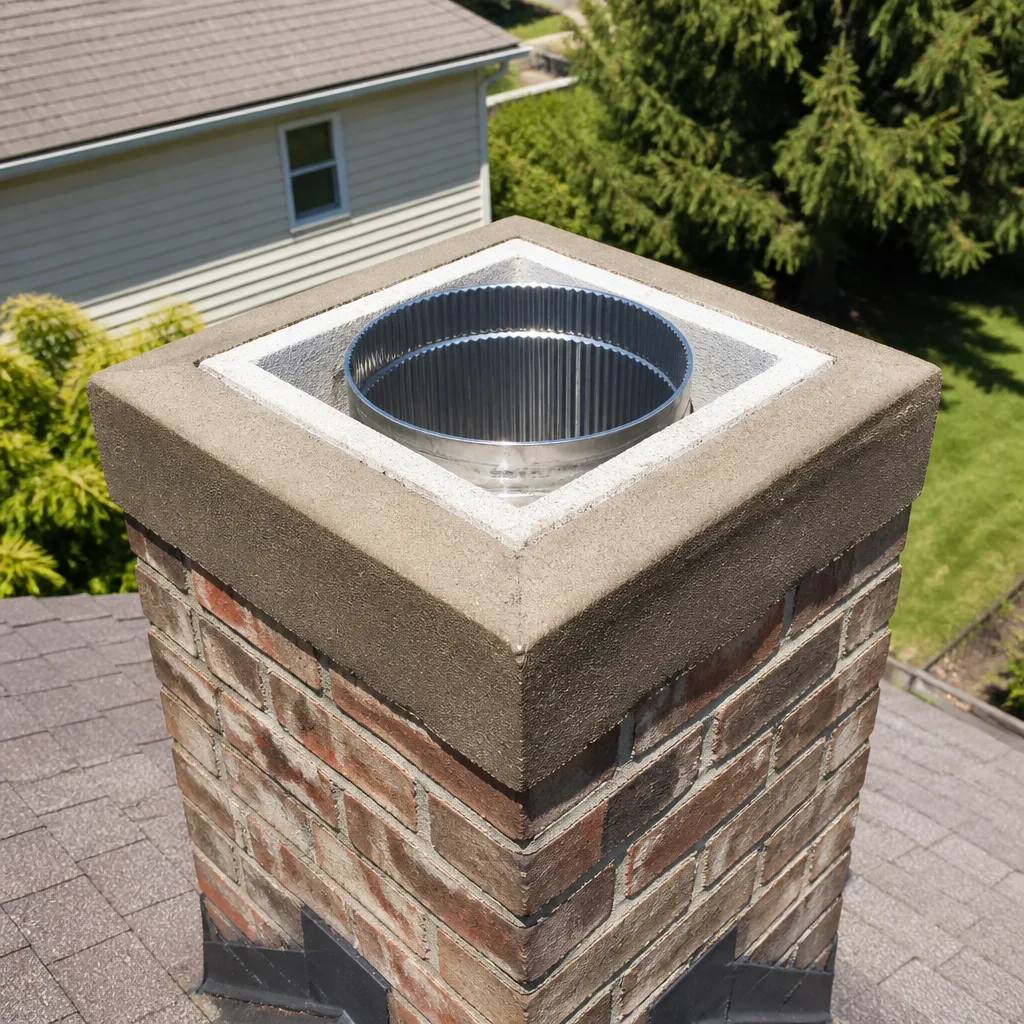
Crown cracks visible from below. The concrete crown seals the top of the chimney where flue tiles emerge. Hairline cracks are normal after years of thermal cycling. Cracks wider than 1/8 inch, or cracks that run to the edge, allow water directly into the chimney core. In Plainview’s climate, a cracked crown in October becomes saturated masonry by January, with freeze damage compounding weekly. Crown sealing with professional-grade flexible sealant is preventive maintenance that avoids thousand-dollar rebuilds.
Staining or rust on the chimney breast visible in the attic. If you store seasonal items in your attic, check the chimney penetration seasonally. Any discoloration, dampness, or rust on metal flashing means water is entering the building envelope. This damages insulation, framing, and ceiling finishes while also degrading the chimney structure. The repair is flashing replacement or repair, not cleaning - but the condition is often discovered because the homeowner called us about a fireplace problem.
Leaning or separated chimney. Any visible tilt or gap between chimney and house wall is a structural emergency. The causes include foundation settlement, deteriorated mortar, or rusted anchor straps. This is beyond cleaning scope entirely, but we flag it immediately and recommend structural evaluation. In Plainview’s older homes on Long Island’s glacial soils, differential settlement is not uncommon.
Exterior inspection is part of every service call we make. The photos go in your report, with a plain-English verdict on what needs attention now, what can wait, and what to budget for next year.
Carbon Monoxide Symptoms Homeowners Mistake for Illness
This is the warning sign that kills people. Carbon monoxide from a malfunctioning chimney or vent system produces symptoms that mimic common ailments, and the confusion is fatal if the source is not identified.
CO is produced by incomplete combustion. A properly drafting chimney carries it outside. A blocked, damaged, or poorly drafting chimney allows it to accumulate in living spaces. The early symptoms are:
- Headache and dizziness - often attributed to dehydration, eye strain, or “just getting older”
- Nausea without vomiting - mistaken for food sensitivity or medication side effects
- Fatigue and confusion - dismissed as poor sleep or stress
- Shortness of breath - blamed on heart or lung conditions that may not actually be worsening
The critical pattern: symptoms improve when you leave the house and return when you come back. If your headache clears during a grocery run and resumes at your kitchen table, the cause is environmental, not personal. Multiple household members with similar symptoms, or symptoms that worsen in winter when the fireplace is in use, are additional red flags.
In Plainview, where many homes have attached garages and basements with combustion appliances, CO sources can combine. The chimney may not be the sole culprit, but it is often a contributing factor. We recommend CO detectors on every floor, with at least one within 10 feet of sleeping areas. If detectors alarm or if symptoms match the pattern above, stop using the fireplace immediately and call for inspection.
Our Level-2 camera inspection identifies liner breaches, joint gaps, and obstructions that allow CO infiltration. We do not guess. We show you the photo of the breach, explain the pathway, and quote the repair. No work is recommended without evidence you can see for yourself.
If you suspect CO exposure, call emergency services first. Then call us for chimney evaluation at (934) 348-4832.
Changes in Burning Behavior and Fuel Performance
Your fire itself is a diagnostic tool. Experienced Plainview homeowners know how their fireplace normally performs. When performance changes, the chimney is usually the reason.
Difficulty starting or maintaining a fire. If properly seasoned hardwood that lit easily last season now smolders and smokes, the flue may be partially obstructed. Creosote buildup narrows the flue diameter; even 1/4 inch of accumulation reduces draft capacity significantly. Alternatively, a bird nest or collapsed liner section may be the obstruction. A sweep and camera inspection distinguishes between them.
Fire that burns unusually fast or hot. Counterintuitively, a “great” fire that consumes wood rapidly and overheats the room can indicate excess air entering the flue through a liner breach. The draft is too strong, pulling combustion air past the fire and up the chimney without transferring heat to the room. You’re burning more wood for less warmth, and the overheated flue walls accelerate creosote formation. This is common in chimneys with cracked clay tile liners, which we find frequently in Plainview’s mid-century homes.
Excessive popping, sparking, or hissing from the fire. Seasoned hardwood pops occasionally. Constant popping, or sparks traveling up the flue, indicates moisture content in the wood or volatile gas buildup in the flue. If the wood is properly seasoned and stored dry, the flue itself may be producing combustible gases from decomposing creosote. This is pre-ignition behavior. The next step is a chimney fire.
Need to open windows for the fire to burn properly. This is a definitive sign of negative pressure or inadequate combustion air. The fireplace is starved for oxygen and is pulling it from wherever it can - including back-drafting water heaters or furnaces. This is dangerous: those appliances then vent their combustion products, including CO, into the house. The solution is not a bigger fire; it is pressure balancing and possibly a dedicated combustion air supply. We assess this during inspection and coordinate with HVAC professionals when house-wide pressure issues are involved.
Increased wood consumption for the same heat output. Track your cord usage. A 20% increase without changed burning habits means efficiency loss. The cause is usually a combination of creosote insulation in the flue (reducing heat transfer) and air leakage through a damaged damper or liner breach. Cleaning restores the flue surface; repair seals the leaks. Both are needed for full efficiency recovery.
We ask about burning behavior in every service call. The details you provide guide our inspection focus and often reveal problems the camera alone would miss.
When Plainview’s Climate Accelerates Chimney Problems
Long Island’s coastal climate is harder on chimneys than most homeowners recognize. Explore more guides & resources for year-round chimney care. The interaction of cold, heat, humidity, and salt air creates specific seasonal risks.
October through December: The Freeze-First Period. Temperatures drop before homeowners begin regular burning. Any moisture absorbed by brick during the humid summer begins freezing in October, initiating micro-damage that accelerates through winter. This is when we recommend pre-season inspection - before the first fire, not after. The $89 Seasonal Tune-Up is timed for this window.
January through March: The Creosote Buildup Period. Sustained cold drives daily fireplace use. Short, hot fires - common when homeowners light a fire for evening warmth then let it die - produce more creosote than sustained moderate burns. By late February, we see the highest concentration of Stage 2 and 3 creosote calls. Mid-season inspection is warranted for heavy-use fireplaces.
April through June: The Water Intrusion Reveal. Spring rains expose crown and flashing failures that winter ice widened. We receive many calls about “a leak that started this spring” that actually began the previous October. The delay in discovery means additional freeze-thaw damage occurred unseen. Early spring inspection catches this before another cycle begins.
July through September: The Animal Nesting Period. Uncapped flues attract starlings, sparrows, squirrels, and raccoons. By August, nests are established and often contain young. Removal requires care and proper timing; exclusion with a quality cap prevents the problem entirely. We use caps from Famco and Olympia Chimney with appropriate mesh sizing for Long Island wildlife.
Plainview’s specific location - inland enough to see sharper temperature swings than coastal South Shore communities, but still influenced by maritime humidity - creates a chimney stress profile distinct from both Manhattan and Montauk. Our inspection protocols account for this local climate signature.
What a Level-2 Camera Inspection Actually Reveals
Warning signs prompt the call. The camera inspection provides the verdict. We want Plainview homeowners to understand what we look for and what we find, because transparency is how we’ve built trust for over 42 years.
Our Level-2 inspection follows NFPA 211 standards and includes:
- Full visual examination of accessible portions. Firebox, smoke chamber, damper, and exterior. We photograph everything and show you the images.
- Video scanning of the flue interior. A high-resolution camera travels the full flue length, recording liner condition, joint alignment, creosote deposits, and any obstructions. You watch the live feed and receive the recording.
- Structural assessment of the chimney crown, cap, and flashing. From roof level, documented with photos.
- Clearance verification. Combustible materials near the chimney or fireplace must maintain code-specified distances. We measure and document.
What the camera reveals that visual inspection cannot:
- Hairline cracks in clay tile liners. Invisible from below, visible with camera light and magnification. These cracks allow heat and combustion gases to reach surrounding combustible framing.
- Joint misalignment or gaps. In multi-flue chimneys common in Plainview’s larger homes, shifted tiles create gaps where creosote accumulates and fire can penetrate.
- Glazed creosote thickness measurement. We can estimate deposit depth and hardness, determining whether standard sweeping, rotary cleaning, or chemical treatment is required.
- Spalled liner interior surfaces. The rough texture traps creosote and accelerates buildup. It also reduces flue diameter, compounding draft problems.
- Nest debris, fallen mortar, and foreign objects. We’ve found everything from deceased animals to children’s toys dropped down the flue by curious toddlers.
The inspection concludes with a written report: photos, findings, recommendations prioritized by urgency, and firm pricing. The 90-Day Done Right Promise applies to any work performed. If it’s not right, we make it right - in writing, no arguing, no paperwork chase.
Fireplace Services in Plainview from Hearthstone Chimney Co. include inspection, cleaning, repair, and ongoing maintenance planning.
Common Mistakes to Avoid
- Assuming a “clean-looking” firebox means a clean flue. The firebox is accessible and often cleaned by homeowners. The flue is not, and accumulates 90% of combustible deposits. Visual firebox assessment tells you almost nothing about flue condition.
- Burning pine or construction scrap to “clean out” the chimney. Softwoods and treated lumber burn at temperatures that accelerate creosote formation. The intense heat can also damage clay tile liners. Only seasoned hardwood belongs in a residential fireplace.
- Using chimney cleaning logs as a substitute for professional sweeping. These products may loosen light creosote but cannot remove Stage 2 or 3 deposits and provide no inspection of liner condition. They create a false sense of security.
- Waiting until fall to schedule inspection. Plainview’s best sweeps book solid by October. A spring or summer inspection identifies problems when repair scheduling is flexible and pre-season pricing applies.
- Ignoring a single instance of smoke in the room. One back-puff is a warning. The cause - obstruction, draft failure, or pressure imbalance - does not resolve itself. It worsens, usually invisibly, until the next incident is more severe.
- Hiring based on lowest price without verifying credentials. New York does not license chimney sweeps specifically. Verify liability insurance, worker’s compensation, and references from local homeowners. Our background-checked, uniformed technicians carry documentation on every call.
- Postponing cap installation after nest removal. The animal that nested once will nest again, or its successor will. Cap installation is preventive maintenance with a one-time cost that avoids repeated service calls.
When to Call a Professional
Call for professional evaluation when you observe any of the following: persistent odors from the fireplace when not in use, visible smoke entering the room during normal operation, staining or damage to firebox or exterior masonry, changes in burning behavior or efficiency, or symptoms of carbon monoxide exposure that correlate with fireplace use. Do not attempt to diagnose or repair flue conditions yourself - the risks of incomplete assessment outweigh any potential savings.
Hearthstone Chimney Co. offers free estimates in Plainview. A live person answers every call, 24 hours a day, 7 days a week - not a voicemail, not a callback queue. Most inspections are completed in a single visit, with photos you can see and a plain-English verdict. Call (934) 348-4832 to schedule.
Frequently Asked Questions
A standard chimney sweep and Level-1 inspection in the Plainview area typically ranges from $150 to $280, depending on flue accessibility, creosote stage, and whether the fireplace is a standard open hearth or an insert requiring additional disassembly. Level-2 camera inspections, which we recommend for any home with a change in performance or unknown service history, range from $250 to $400 and include video documentation and written report. Call (934) 348-4832 for an exact quote - estimates are free, and our $89 Seasonal Tune-Up offers reduced-rate inspection during off-peak months.
You need a new liner when the existing one is damaged beyond repair - cracked, spalled, or shifted tiles that create gaps - or when it is improperly sized for your appliance, causing chronic draft problems or creosote accumulation. We do not recommend liner replacement without camera evidence you can see yourself. In many Plainview homes built 1950-1980, original clay tile liners are reaching end of service life; in others, a stainless steel liner from DuraFlex restores proper draft and meets current safety standards. We explain the condition, show you the photo, and tell you when work can safely wait versus when it cannot.
The National Fire Protection Association recommends annual inspection for all chimneys, and sweeping as needed based on deposit accumulation. For Plainview homeowners who burn regularly through winter - three or more fires weekly - annual sweeping is typical. Occasional users may extend to every two years if inspection shows minimal buildup. Heavy daily users, or those burning softer woods, may need mid-season cleaning. The determining factor is not the calendar; it is the measured creosote deposit and the liner condition we document.
Skipped cleaning allows creosote to accumulate, progressively narrowing the flue and increasing combustion byproduct exposure in your home. Stage 3 creosote can ignite at temperatures normal fires produce, resulting in chimney fire that damages liner, masonry, and potentially spreads to structural framing. Water intrusion from uncapped or damaged chimneys accelerates liner and masonry decay, converting a maintenance issue into a rebuild project costing thousands. Carbon monoxide infiltration from breached liners poses the most serious risk - odorless, invisible, and potentially fatal. The cost of prevention is modest; the cost of failure is not.
Homeowners can perform basic firebox cleaning and ash removal safely. Flue sweeping requires proper equipment, ladder safety, and the ability to assess liner condition - work we do not recommend for untrained individuals. More importantly, cleaning without inspection misses the liner damage, water intrusion, or structural issues that create the greatest hazards. Our service includes both cleaning and diagnostic inspection with photo documentation. The combination is what protects your home.
Summer chimney odors in Plainview are almost always creosote deposits reacting to humidity. The hygroscopic nature of accumulated soot and creosote means it absorbs moisture from humid air, releasing volatile compounds that produce the campfire or asphalt smells described earlier. A thorough sweep removes the deposit; cap installation and crown sealing prevent the moisture that reactivates it. If odor persists after cleaning, negative house pressure may be drawing air down the flue - a condition we assess and correct.
If any work we perform is not done right, we return and make it right - backed in writing with no paperwork required and no argument. The promise is governed by our K.E.Y.S. values: Krafted right, Every time, Your home first, Standing behind it. It applies to all services for 90 days from completion. We’ve honored this promise for over 42 years, and we intend to be in Plainview to honor it for decades more.
The Bottom Line
Your chimney warns you before it fails. The warnings are specific - three distinct odor profiles, visible smoke behavior, characteristic staining patterns, exterior masonry changes, and subtle health symptoms - and they appear in sequence, not all at once. A Plainview homeowner who learns these signs can intervene at the maintenance stage, before cleaning becomes repair and repair becomes rebuild. Document what you observe, schedule inspection annually, and address findings in priority order. The cost of attention is modest. The cost of neglect is measured in property damage, health risk, and the emergency call you never wanted to make.
Written by Russell Haines, Owner at Hearthstone Chimney Co., serving Plainview since 2014.