
Last updated September 10, 2026
Level 1 sweep and inspection to the NFPA 211 annual standard - flue, crown, cap, and flashing checked and photographed
Chimney sweep logs do not sweep chimneys. They loosen some creosote - which then falls where a brush and vacuum still have to collect it.
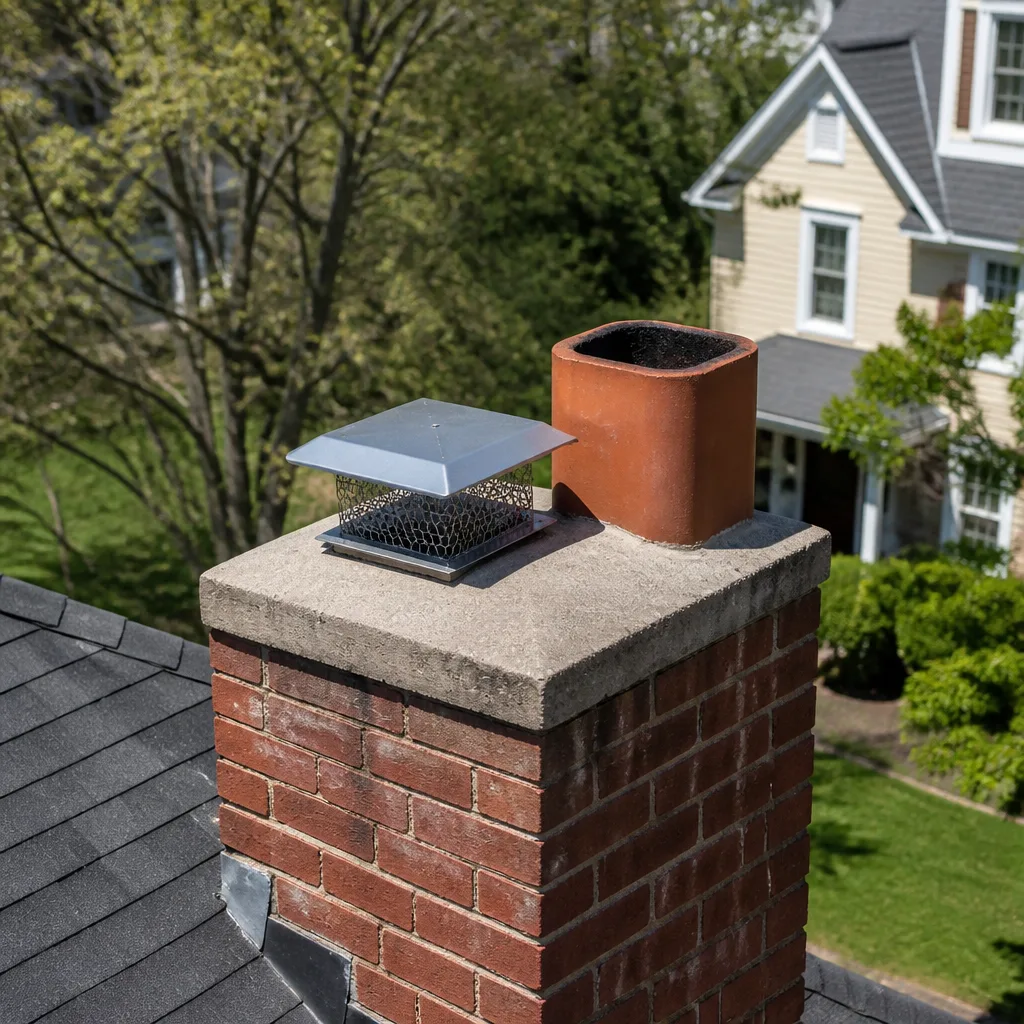
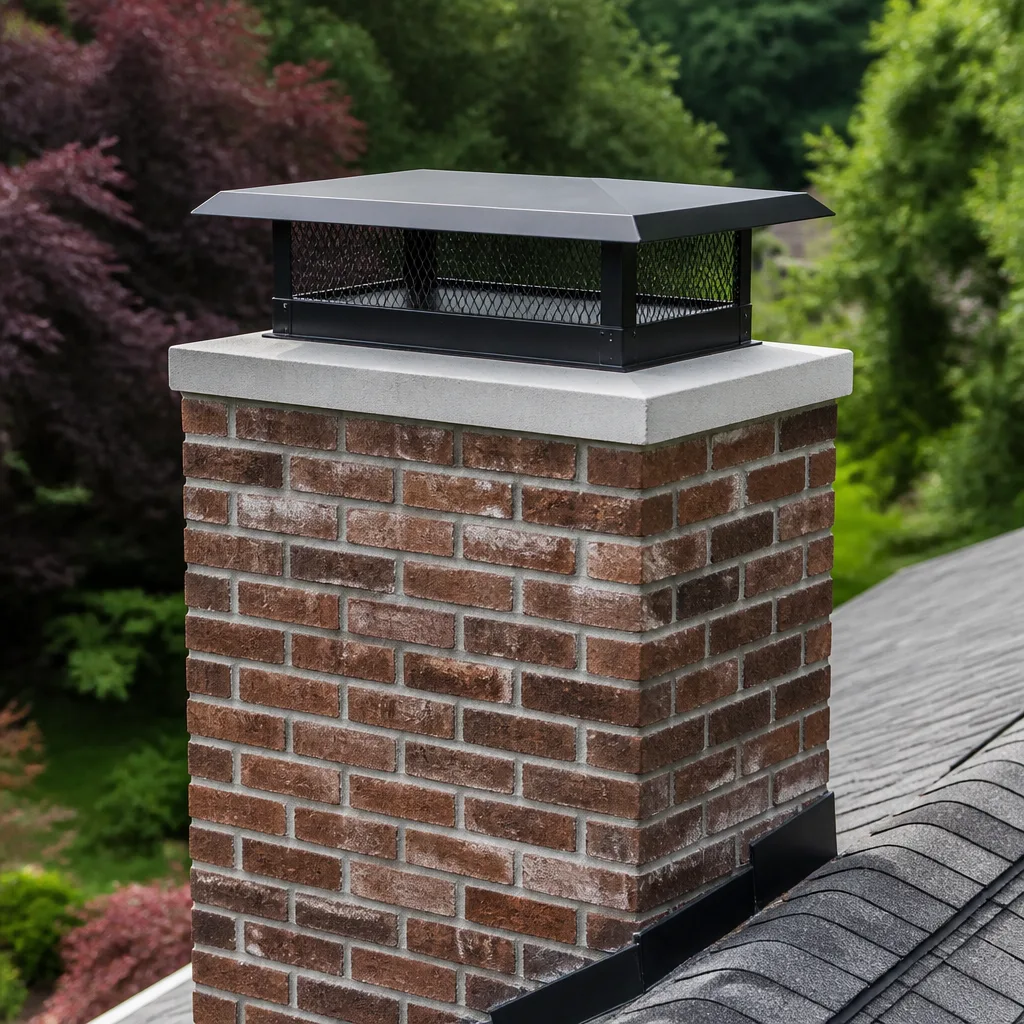
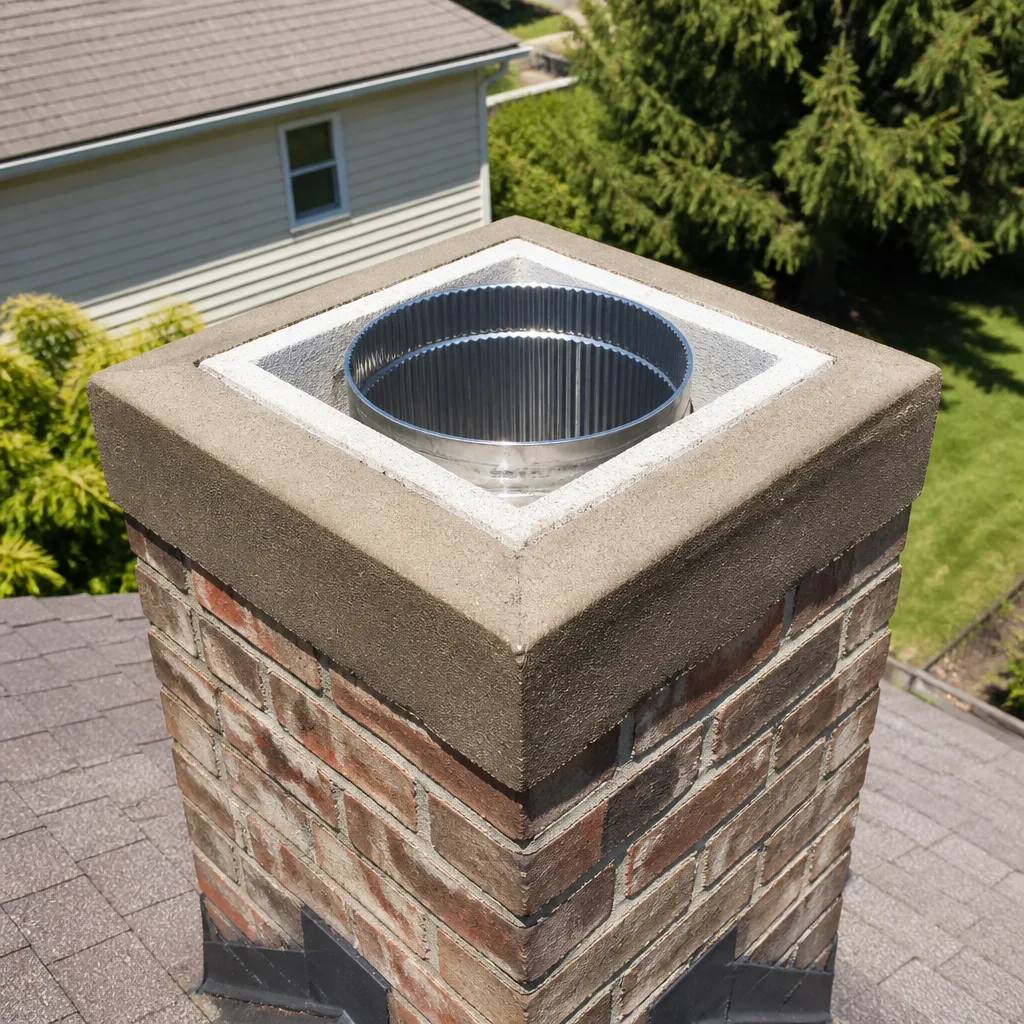
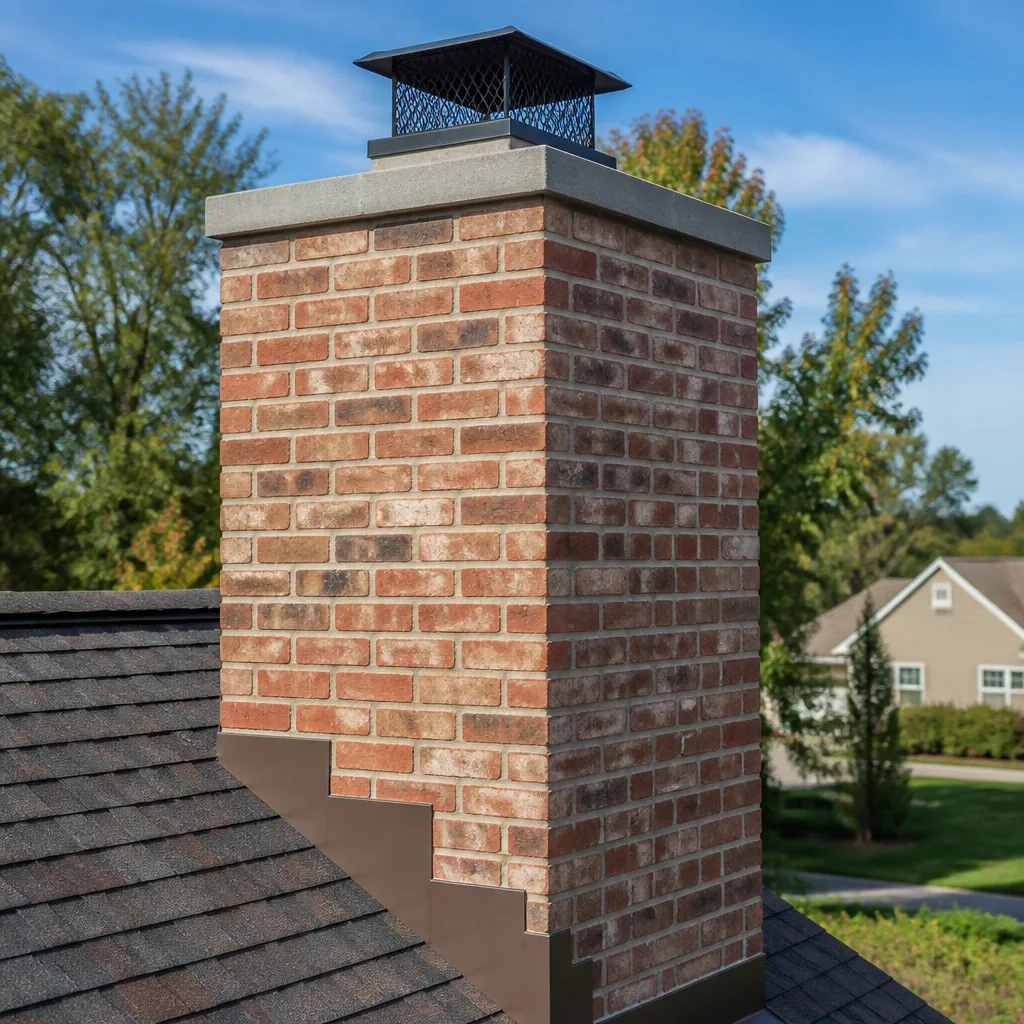
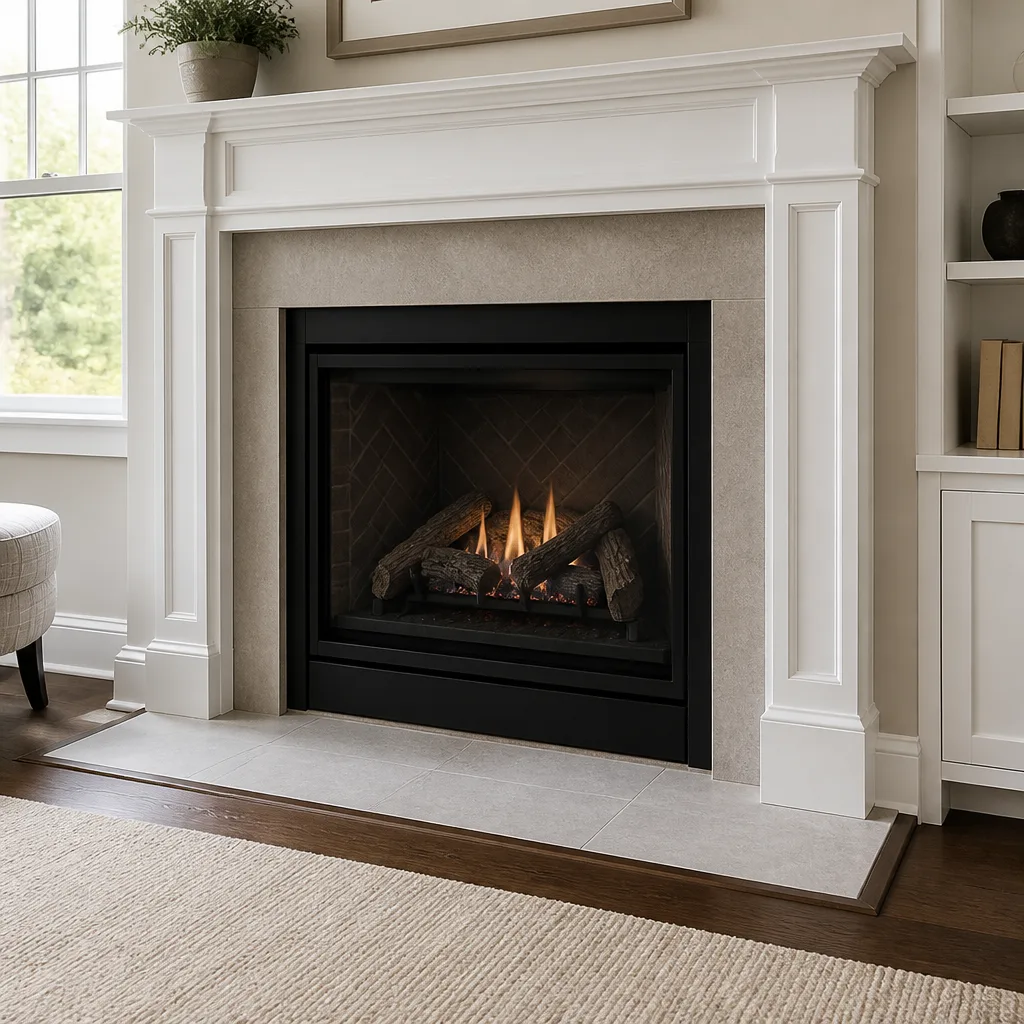
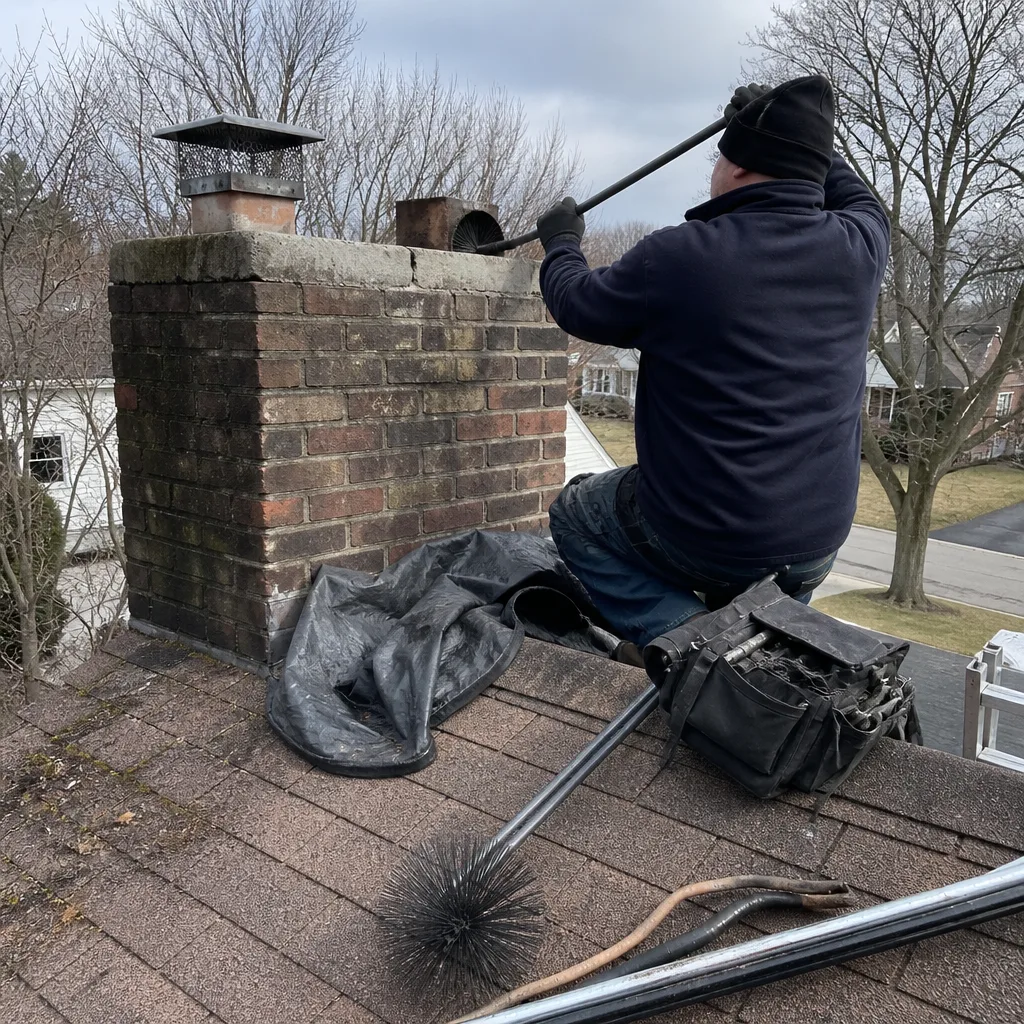 Before
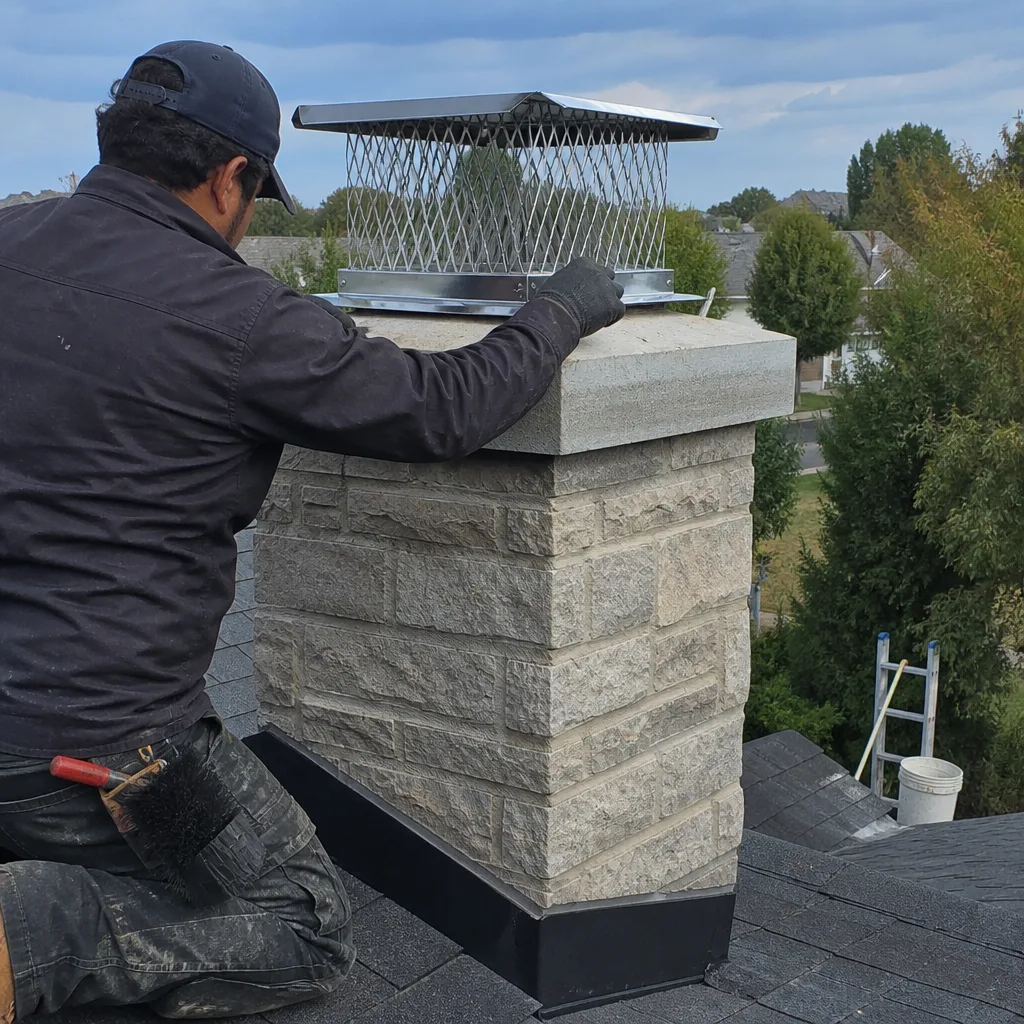 After
After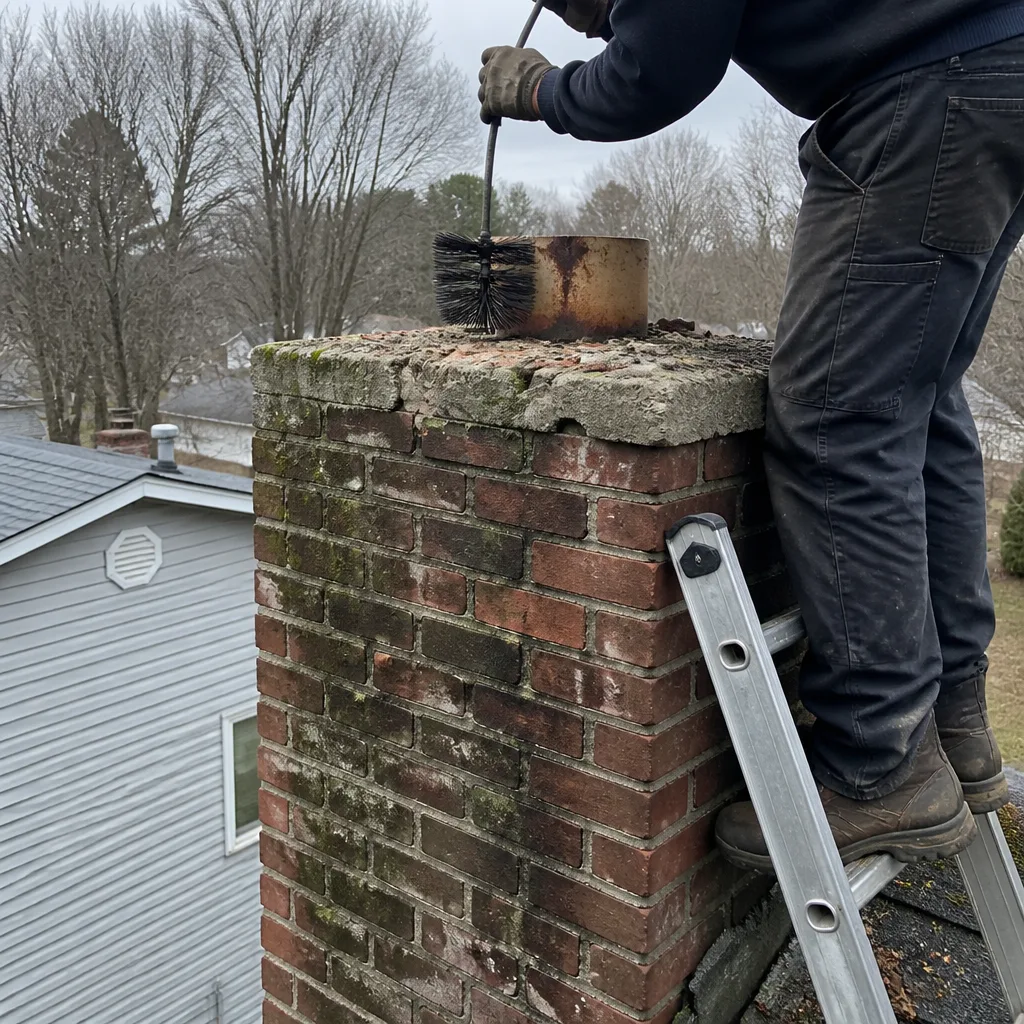 Before
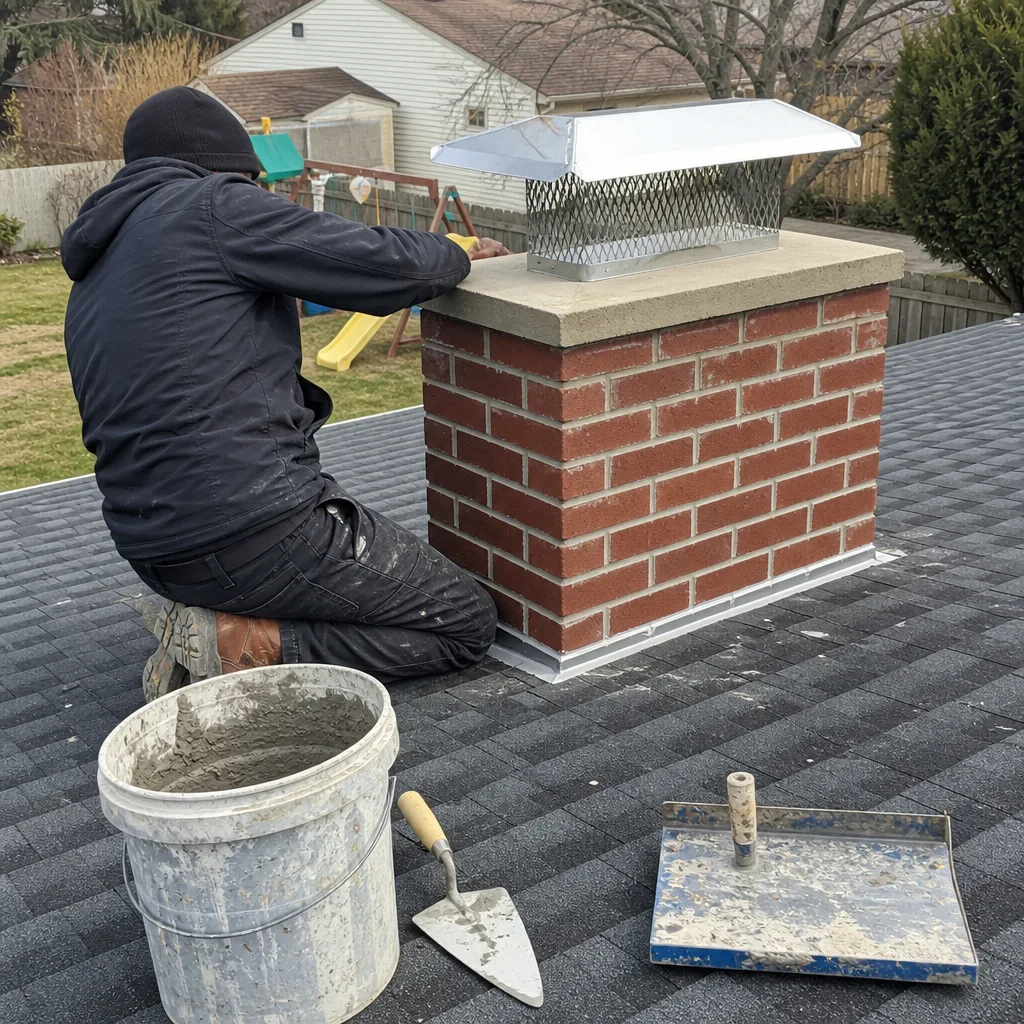 After
AfterThe Complete Guide to Chimney Cleaning in Plainview
The National Fire Protection Association says chimneys should be inspected annually. That standard was written for average use. If you burned more than two cords of wood last winter in your Plainview home, “annual” is already behind schedule. Most homeowners here treat chimney cleaning as a single checkbox task, something to schedule once a year and forget. But the condition of your flue is shaped by five overlapping variables: fuel type, liner age, usage frequency, local weather exposure, and the quality of the sweep itself. A single annual visit may or may not address all of them. This guide and our more guides & resources explain what a complete cleaning actually involves, so you can verify whether you’re getting one.
Quick Answer
Chimney cleaning in Plainview typically costs $150-$350 for a standard sweep with Level 1 inspection, and $250-$500 for a Level 2 inspection with camera documentation. A thorough cleaning removes creosote buildup, checks for blockages, and includes a written verdict on your flue’s condition. Most Plainview homes with active wood-burning fireplaces need this service yearly, though heavy use or older liners may require more frequent attention. Read our DIY vs Professional Chimney Cleaning: The Plainview Homeowner’s Decision Guide before deciding who should do the work.
Table of Contents
- What a Complete Chimney Cleaning Actually Includes
- NFPA Inspection Levels Explained: Level 1, Level 2, and Level 3
- How Long Island’s Salt Air and Freeze-Thaw Cycle Damage Chimneys
- Creosote Stages: Why Stage 2 Changes Everything
- How to Read a Sweep’s Written Verdict Without Technical Training
- What Photo Documentation Should Show - And Why Verbal Reports Fail
- Chimney Cleaning Costs in Plainview: What to Expect
- How to Choose a Chimney Sweep in Plainview
What a Complete Chimney Cleaning Actually Includes
A complete chimney cleaning is not a quick brush-and-vacuum operation. In our experience serving Plainview and surrounding Nassau County communities for over 42 years, we’ve seen every shortcut a sweep can take, and we’ve fixed the problems those shortcuts leave behind.
Here’s what the job should involve, step by step:
- Pre-work documentation. The technician should note the appliance type, fuel used, and any homeowner concerns before touching anything. This establishes a baseline and shows attention to detail.
- Interior and exterior visual inspection. Before cleaning begins, the sweep examines the firebox, damper, smoke chamber, and accessible portions of the flue. They also check the exterior crown, cap, and flashing from ground level or roof as conditions allow.
- Containment setup. Drop cloths, HEPA vacuums, and sealed work areas protect your home. A sweep who skips this is a sweep who doesn’t plan to leave your house as they found it.
- Mechanical cleaning of the flue. Rotary brushes, hand brushes, and specialized tools matched to your flue liner material remove creosote and soot deposits. The tool should match the liner: stainless steel brushes for clay tile, poly brushes for stainless steel liners from manufacturers like DuraFlex.
- Smoke chamber and firebox cleaning. These areas collect creosote too, and they’re often skipped by low-price operators working fast.
- Debris and obstruction removal. Bird nests, leaves, and fallen masonry are common in Plainview’s mature neighborhoods with established oak and maple canopies.
- Post-cleaning inspection and documentation. Photos, a written condition report, and a clear verdict on whether the system is safe to use.
The entire process for a standard cleaning takes 45 minutes to 90 minutes for most Plainview homes. If your sweep is in and out in 20 minutes, you’ve paid for a performance, not a service.
At Hearthstone Chimney Co., our technicians complete most jobs in a single visit with no-hassle upfront pricing. The number on the estimate is the number on the invoice. No surprises.
NFPA Inspection Levels Explained: Level 1, Level 2, and Level 3
The National Fire Protection Association defines three inspection levels in Standard 211. Most homeowners don’t know which they need, and some sweeps don’t explain the difference. Here’s how to tell.
Level 1 Inspection
This is the baseline: a visual examination of readily accessible portions of the chimney exterior, interior, and connecting appliances. No tools are used to open or remove components. A Level 1 is appropriate when:
- Your appliance and venting system haven’t changed
- You’re continuing with the same fuel type
- No performance problems are reported
- The chimney has been regularly maintained
For many Plainview homeowners who burn occasionally and have relatively newer systems, a Level 1 with thorough cleaning is sufficient.
Level 2 Inspection
This is where chimney repair in Plainview decisions often begin. A Level 2 includes everything in Level 1, plus examination of accessible attics, crawl spaces, and basements, and a video scan of the interior flue. Camera inspection reveals what eyes cannot: cracked clay tiles, deteriorated mortar joints, gaps in liner connections, and creosote buildup patterns that indicate drafting problems.
Level 2 is required when:
- You’re selling or buying a home (required by most Plainview real estate transactions)
- The appliance or liner has been changed
- A chimney fire, earthquake, or severe weather event has occurred
- Performance problems are reported (smoke backup, odors, slow draft)
Our Level 2 inspections end with photos you can see and a plain-English verdict. Documented like an engineer, explained like a craftsman. We use professional-grade camera systems, and every image is archived with your customer record.
Level 3 Inspection
A Level 3 is invasive. It requires removal of building materials, chimney components, or surrounding structure to access concealed areas. This level is reserved for when a hazard is suspected but cannot be confirmed through Level 1 or 2 methods. If a sweep recommends Level 3, you should understand exactly what they suspect and why less invasive methods won’t suffice.
We’ve performed Level 3 inspections in older Plainview homes, particularly in neighborhoods like Manetto Hill and the areas south of Old Country Road where pre-1960 construction sometimes conceals unlined brick flues or deteriorated parging. In these cases, we explain the scope, obtain written authorization, and document everything.
How Long Island’s Salt Air and Freeze-Thaw Cycle Damage Chimneys
Plainview sits roughly 25 miles from the Atlantic and less than 10 from Long Island Sound. That proximity matters more than most homeowners realize.
Salt-laden air penetrates masonry year-round. When moisture enters brick and mortar joints, it carries dissolved salts with it. As water evaporates, salts crystallize and expand, exerting pressure that spalls brick faces and crumbles mortar. This process, called salt fretting, accelerates dramatically in coastal climates compared to inland locations.
The freeze-thaw cycle compounds the damage. Plainview typically sees 20-30 freeze-thaw cycles each winter, sometimes more during volatile seasons. Each cycle, water expands by about 9% as it freezes, widening cracks and opening new pathways for moisture. By spring, a small hairline crack can propagate through an entire crown.
We’ve observed distinct patterns in Plainview homes:
- Homes north of the Northern State Parkway, with more tree cover and slightly less direct wind exposure, often show slower exterior deterioration but hidden interior moisture damage from leaf debris and blocked drainage.
- Homes south of Old Country Road, more exposed to prevailing southwest winds, frequently exhibit accelerated crown and cap corrosion, especially on galvanized steel components.
- Homes with original clay tile liners installed before 1990 are particularly vulnerable. The tiles themselves are brittle, and thermal cycling from heating and cooling causes them to crack. Once cracked, moisture enters the surrounding masonry, and the freeze-thaw cycle begins its work from the inside.
This is why we specify stainless steel liners from DuraFlex and corrosion-resistant caps and crowns when replacement is needed. Professional-grade materials from Copperfield and other trusted manufacturers resist the specific conditions that degrade Plainview chimneys faster than national averages would predict.
A standard sweep schedule doesn’t account for accelerated weathering. If your home is within a mile of major exposure, or if you’ve noticed exterior masonry deterioration, your inspection frequency should increase regardless of how little you burn.
Creosote Stages: Why Stage 2 Changes Everything
Creosote is not a single substance. It forms in stages, and the stage determines both the cleaning method and the underlying problem.
Stage 1: Soot and Light Flakes
Stage 1 creosote is dusty, flaky, or sooty. It brushes off readily with standard sweep tools. This stage indicates relatively complete combustion, adequate draft, and dry, seasoned wood. A standard cleaning removes it completely.
Stage 2: Tar-Glaze or Crunchy Deposits
Stage 2 is where the job changes. The creosote has condensed into a hardened, tar-like layer or brittle, crunchy deposits that adhere to the flue surface. Standard brushes won’t remove it. Specialized chains, whips, or chemical treatments are required, and the underlying cause must be addressed.
Stage 2 indicates at least one of these conditions:
- Burning unseasoned or wet wood (moisture content above 20%)
- Restricted air supply (damper partially closed, modern airtight stove run too low)
- Oversized flue for the appliance (slow gas velocity allows condensation)
- Cold flue exterior (exterior chimneys on north walls are common culprits in Plainview’s older split-levels)
We’ve found Stage 2 creosote in dozens of Plainview homes, particularly in the Manetto Hills and East Plainview areas where 1960s and 1970s construction often paired large masonry fireplaces with exterior chimneys on north-facing walls. Those chimneys never warm properly, and the flue stays cold enough to condense creosote even with good burning practices.
Removing Stage 2 creosote without addressing the cause is a waste of money. It will return, often within a single burning season. A competent sweep identifies the cause and explains it.
Stage 3: Glazed or Hardened Deposits
Stage 3 creosote is a concentrated fuel source. It appears as a shiny, hardened glaze, often black or dark brown, and can reach significant thickness. It cannot be removed with standard sweep methods. Chemical treatments, multiple applications, or in severe cases, liner replacement may be necessary.
Stage 3 creosote is a chimney fire hazard. If your sweep reports Stage 3, you need a clear explanation of removal options, costs, and timeline before using the fireplace again.
At Hearthstone, we document creosote stage with photos and explain what caused it. No homeowner should discover Stage 2 or 3 creosote from a verbal report alone.
How to Read a Sweep’s Written Verdict Without Technical Training
You don’t need to be a chimney technician to evaluate a sweep’s report. You need to know what belongs in it and what doesn’t.
A proper written verdict should contain:
- System identification. Appliance type, fuel, manufacturer and model if visible, flue dimensions and material, liner type and approximate age if known.
- Cleaning performed. Methods and tools used, areas accessed, debris removed.
- Observed conditions. Specific findings, not vague summaries. “3/8-inch gap between flue tiles at 12 feet” is useful. “Some wear noted” is not.
- Photo references. Numbered photos keyed to specific findings.
- Clear recommendations. What needs attention now, what should be monitored, and what is satisfactory.
- Code or standard references. Citation of NFPA 211 or applicable local code for any required work.
Red flags in a written report:
- No photos or “camera unavailable”
- Recommendations without specific findings to support them
- Urgent language without corresponding hazard documentation
- Estimates for work with no explanation of why it’s needed
- Verdict delivered verbally while the written report is “being prepared”
We’ve reviewed competitor reports for Plainview homeowners seeking fireplace services second opinions. The most common problem is a recommendation for liner replacement based on a verbal claim of “cracks” with no photographic evidence. Our Free Second Opinion on any written estimate exists because this happens regularly.
If you cannot understand a report, the sweep failed to write it properly. Technical accuracy and plain-English clarity are not opposing goals. A craftsman explains his work.
What Photo Documentation Should Show - And Why Verbal Reports Fail
A verbal-only chimney inspection is like a mechanic describing your engine without lifting the hood. You have no way to verify what was seen, no record for future comparison, and no defense against unnecessary recommendations.
Photo documentation should include:
- Firebox floor and walls, showing refractory panel condition, grate placement, and ash pit
- Damper assembly, open and closed positions, with blade condition visible
- Smoke chamber, showing parging condition and any corbelling
- Flue interior at multiple elevations, typically every 3-5 feet, showing liner condition, joint alignment, and creosote deposits before and after cleaning
- Crown and cap from above, showing cracking, deterioration, or proper installation
- Exterior masonry, showing spalling, efflorescence, or structural concerns
- Flashings and roof interface, showing seal condition and water intrusion risk
Each photo should be dated, keyed to a finding, and retained by the company. At Hearthstone, our Level 2 camera inspections produce 15-30 images per chimney, archived with your customer record for reference at future visits.
Verbal reports fail for specific, predictable reasons:
- Memory degrades. A sweep who inspected 8 chimneys yesterday cannot accurately recall details of yours.
- Recommendations become unverifiable. “You need a new liner” without images is an assertion, not a finding.
- Homeowners cannot compare year over year. Progressive deterioration is invisible without prior documentation.
- Disputes are unresolvable. No photos means no evidence for either party.
In Plainview’s competitive real estate market, photo documentation has additional value. Sellers with documented chimney condition move faster through inspection negotiations. Buyers with prior documentation know what they’re purchasing. We’ve provided records for transactions in the Parkwood Estates and Plainview-Old Bethpage areas that helped closings proceed without last-minute renegotiation.
Chimney Cleaning Costs in Plainview: What to Expect
Pricing for chimney cleaning in Plainview varies with inspection level, accessibility, and condition. Here’s what the local market looks like based on our service records:
| Service | Typical Range | What’s Included |
|---|---|---|
| Standard sweep with Level 1 inspection | $150 - $250 | Mechanical cleaning, basic visual inspection, written condition summary |
| Level 2 inspection with camera | $250 - $400 | Everything in Level 1, plus video flue scan, attic/crawl space check, photo report |
| Level 2 with heavy creosote (Stage 2+) | $300 - $500 | Specialized removal methods, chemical treatment if needed, extended labor |
| Chimney cap or crown repair (minor) | $200 - $450 | Sealant application, small crack repair, flashing touch-up |
| Liner evaluation consultation | $150 - $250 | Camera inspection focused on liner condition, replacement options discussion |
Factors that increase cost in Plainview specifically:
- Steep roof access. Split-level and raised-ranch designs common in East Plainview and Manetto Hill neighborhoods require additional safety equipment and labor.
- Blocked or deteriorated flues. Removal of bird nests, collapsed tile, or heavy debris adds time.
- Off-season scheduling. Emergency service during burning season carries premium rates; booking during spring and summer saves money and ensures availability.
Our standing offers include $50 off any repair over $250, a Free Second Opinion on any written estimate, an $89 Seasonal Tune-Up, and a permanent 5% Senior and Veteran discount. No-hassle upfront pricing means the number on the estimate is the number on the invoice.
Call (934) 348-4832 for an exact quote. Estimates are free.
How to Choose a Chimney Sweep in Plainview
The chimney service industry in Nassau County includes certified professionals, uncertified but competent local operators, and transient price-cutters who damage more chimneys than they clean. Here’s how to distinguish them.
Verify Certification
Look for CSIA (Chimney Safety Institute of America) certification or equivalent. Certification is not a guarantee of quality, but it establishes a baseline of training and accountability. Ask for the certification number and verify it.
Check Insurance and References
The sweep should carry general liability and workers’ compensation insurance. Ask for a certificate. Request local references from Plainview or adjacent communities like Old Bethpage, Bethpage, or Woodbury. A company with 42 years of local service has a track record you can verify.
Evaluate the Inspection Process
Before hiring, ask specifically:
- What inspection level will you perform?
- Will you provide photos of my specific chimney?
- What does your written report include?
- How do you determine if my liner needs replacement?
- What brands and materials do you use for repairs?
Answers should be specific, not evasive. “We’ll take a look and let you know” is not an inspection process.
Assess Communication Style
The sweep who explains clearly before the job is the sweep who stands behind the work after. Pressure tactics, urgency without explanation, and reluctance to document findings are all warning signs.
At Hearthstone Chimney Co., calls are answered by a live person 24 hours a day, 7 days a week. Not voicemail, not a callback queue, not an app. Our background-checked, uniformed technicians arrive when scheduled, complete most jobs in a single visit, and leave documentation you can understand and keep.
We’ve served Plainview and surrounding communities since 1984. A company that plans to be in town in thirty more years acts accordingly.
Common Mistakes to Avoid
- Hiring based on price alone. The lowest bid often skips inspection steps, uses inferior materials, or leaves creosote behind. We’ve re-cleaned chimneys in Plainview where the “budget” sweep spent 15 minutes and missed Stage 2 deposits entirely.
- Assuming annual cleaning equals annual inspection. Cleaning removes deposits; inspection evaluates condition. A chimney can be dirty but sound, or clean but dangerous. Both services matter.
- Ignoring salt air damage. Plainview homeowners who moved from inland locations often underestimate coastal masonry deterioration. Exterior cracks that would take decades inland can progress in years here.
- Burning unseasoned wood. Oak and maple felled in Plainview’s mature neighborhoods needs 12-18 months to season properly. Burning wet wood accelerates creosote formation and wastes fuel.
- Accepting verbal recommendations for major work. Liner replacement, crown reconstruction, and structural repairs require written documentation with photos. No exceptions.
- Waiting for smoke problems to schedule service. By the time smoke backs up into your living room, the problem has progressed past prevention into remediation. Schedule before burning season begins.
- Neglecting the chimney cap. A missing or damaged cap admits water, animals, and debris. It’s inexpensive protection against expensive damage, yet we find missing caps on roughly one in four Plainview homes we first visit.
When to Call a Professional
Call a certified chimney professional if you notice smoke backup, unusual odors, visible exterior damage, or if it’s been more than 12 months since your last documented inspection. Schedule before burning season; spring and summer appointments offer better availability and often better rates. See our Seasonal Chimney Cleaning Care for Plainview: Year-Round Homeowner’s Guide for timing details.
If you’re buying or selling a home in Plainview, a Level 2 inspection with camera documentation protects your transaction and prevents last-minute surprises.
If you’ve received a written estimate for significant work - liner replacement, crown reconstruction, masonry repair - and the recommendation lacks photo evidence or clear explanation, seek a second opinion before proceeding.
Hearthstone Chimney Co. offers free estimates in Plainview. Call (934) 348-4832. A live person answers, any hour, any day. We’ll be there when we say.
Frequently Asked Questions
A standard chimney sweep with Level 1 inspection in Plainview typically runs $150-$250, while a Level 2 inspection with camera documentation ranges from $250-$400. Heavy creosote buildup or difficult access can push costs toward $500. Call (934) 348-4832 for an exact quote - estimates are free.
The NFPA recommends annual inspection for all chimneys, with cleaning frequency determined by use and fuel type. Most Plainview homeowners with active wood-burning fireplaces need annual sweeping. Heavy use - more than two cords per season - may require mid-season attention, especially with older liners or exterior chimneys exposed to cold north winds.
You need a new liner only if your existing liner is damaged, improperly sized, or absent, and only if that condition is documented with camera evidence you can see. We’ve reviewed competitor estimates in Plainview recommending liner replacement for “peace of mind” with no visible damage. That’s not craftsmanship; that’s sales pressure. Our Free Second Opinion exists for exactly this situation.
Skipped cleaning allows creosote accumulation, which restricts flue airflow and increases chimney fire risk. Stage 2 and 3 creosote are combustible. Additionally, blockages from nests or debris can force carbon monoxide into living spaces. The risk is real, gradual, and preventable. Annual service costs far less than emergency response or property damage.
Plainview’s coastal proximity exposes masonry to salt-laden air that accelerates mortar and brick deterioration. The freeze-thaw cycle, with 20-30 annual events, forces water expansion in porous materials. Exterior chimneys on north-facing walls never fully dry in winter, compounding moisture damage. These factors mean Plainview chimneys often deteriorate faster than identical construction in protected inland climates.
A sweep removes deposits - creosote, soot, debris. An inspection evaluates structural and functional condition. They frequently occur together, but they are distinct services. A chimney can be swept without inspection (incomplete service) or inspected without sweeping (if no deposits exist). A complete annual service includes both, with documentation.
Basic brush-and-rod cleaning of a straightforward fireplace flue is within capable homeowner reach, though it requires proper tools, ladder safety, and knowledge of what to look for. However, camera inspection of the flue interior, evaluation of liner condition, and assessment of drafting performance require training and equipment. For most Plainview homeowners, particularly those with two-story homes, steep roofs, or prefabricated metal chimneys, professional service is the safer and more thorough choice. We do not recommend DIY work on high-tension components, gas connections, or structural repairs.
The Bottom Line
Chimney cleaning in Plainview is not a commodity service. The quality of inspection, the thoroughness of cleaning, the documentation provided, and the materials used for any repairs vary enormously between providers. A complete service addresses your specific fuel type, liner condition, usage pattern, and local weather exposure - not a generic annual checklist.
Verify what you’re getting. Demand photos. Read the written verdict before authorizing work. Understand that Long Island’s coastal climate accelerates deterioration national averages don’t capture. And choose a sweep who plans to be in business long enough to stand behind the work.
Done right - and we stand behind it.
Written by Russell Haines, Owner at Hearthstone Chimney Co., serving Plainview since 2014.