
Last updated September 10, 2026
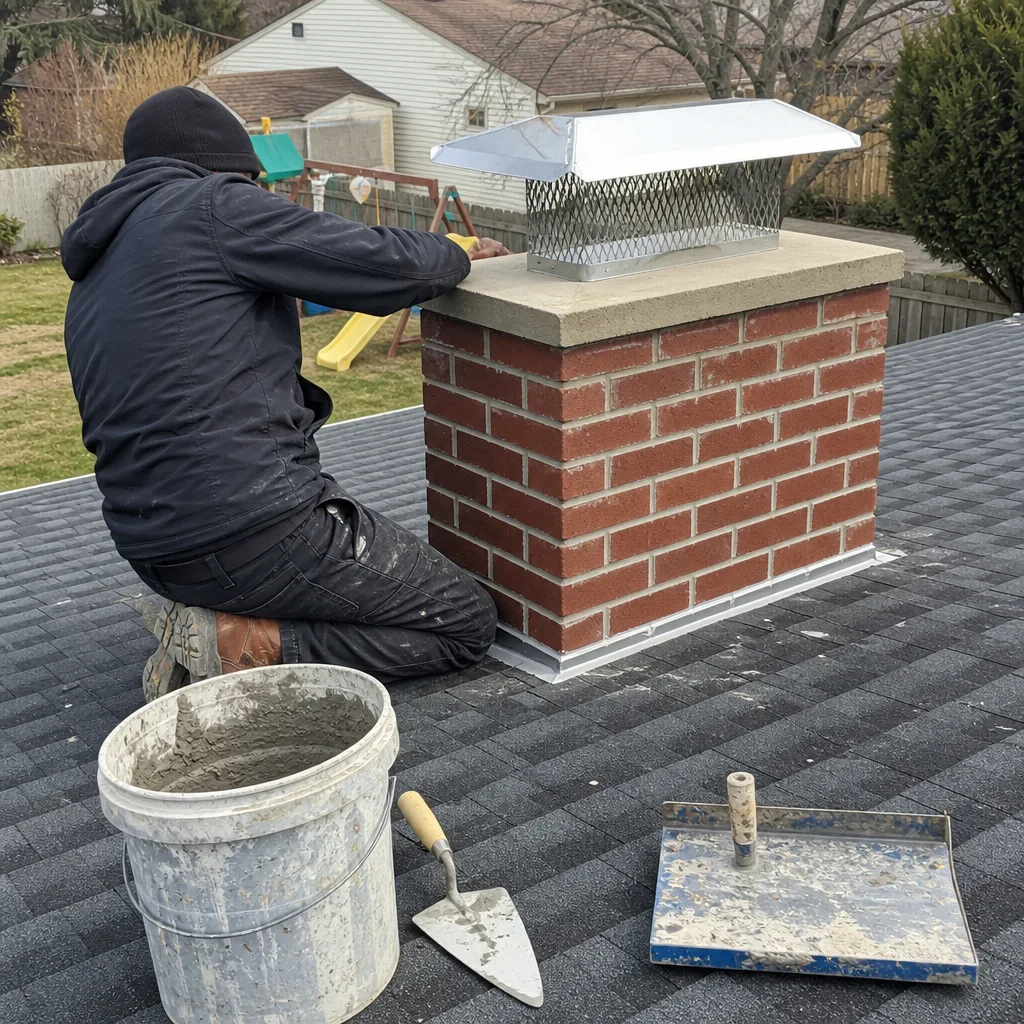
Level 1 sweep and inspection to the NFPA 211 annual standard - flue, crown, cap, and flashing checked and photographed
Chimney sweep logs do not sweep chimneys. They loosen some creosote - which then falls where a brush and vacuum still have to collect it.
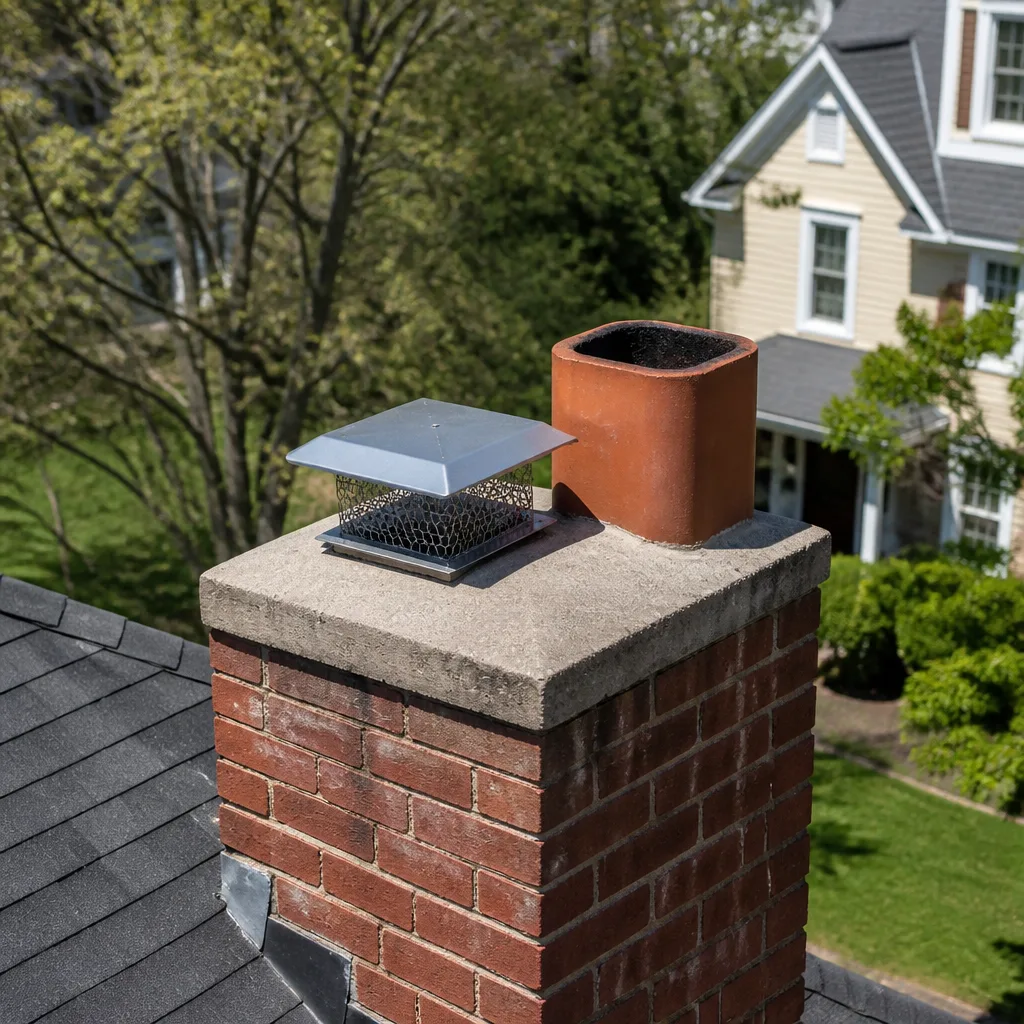
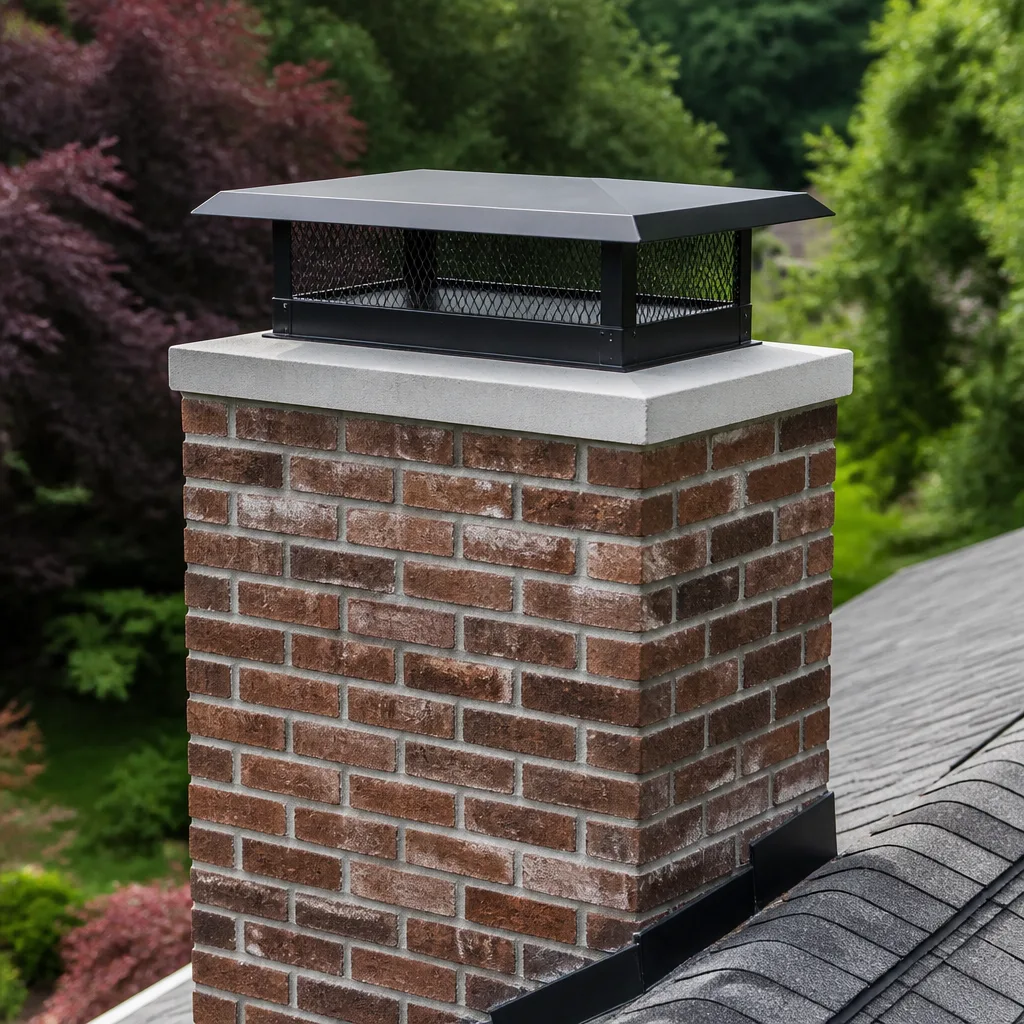
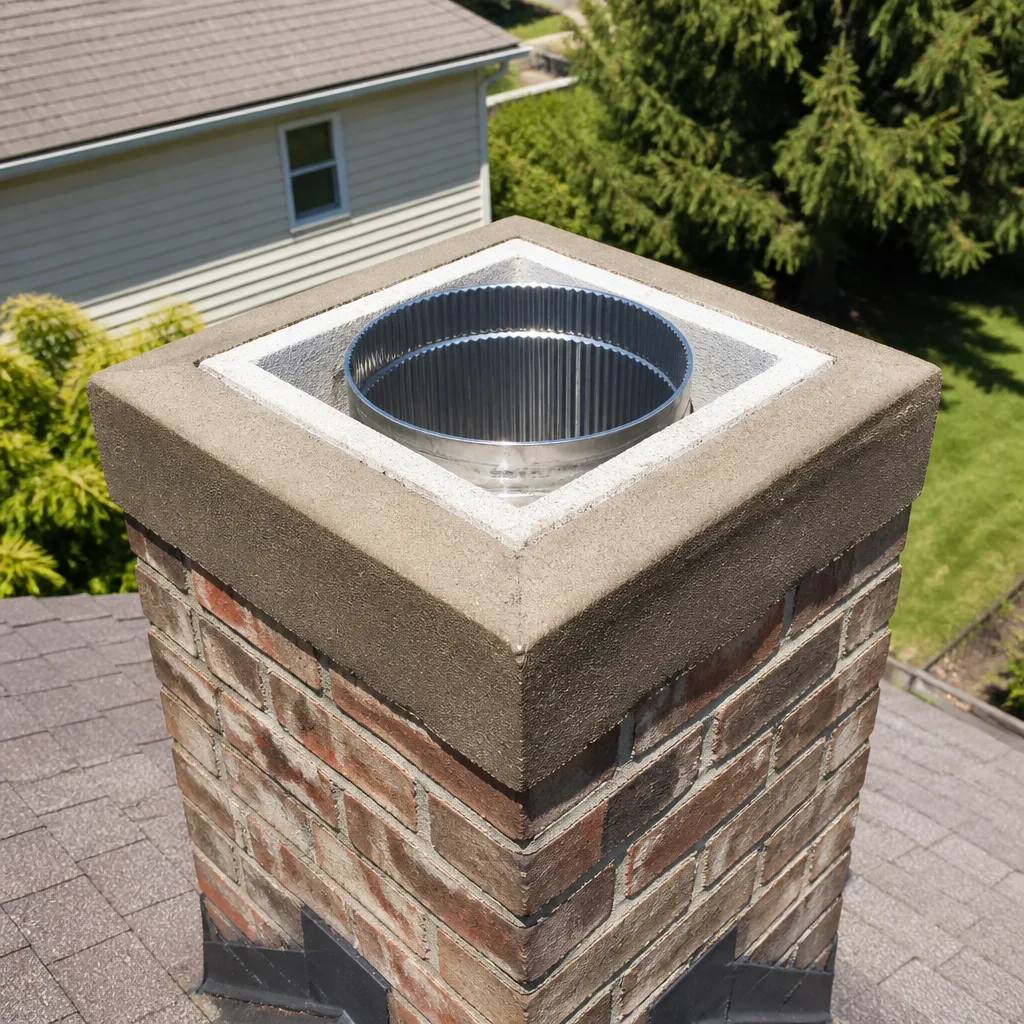
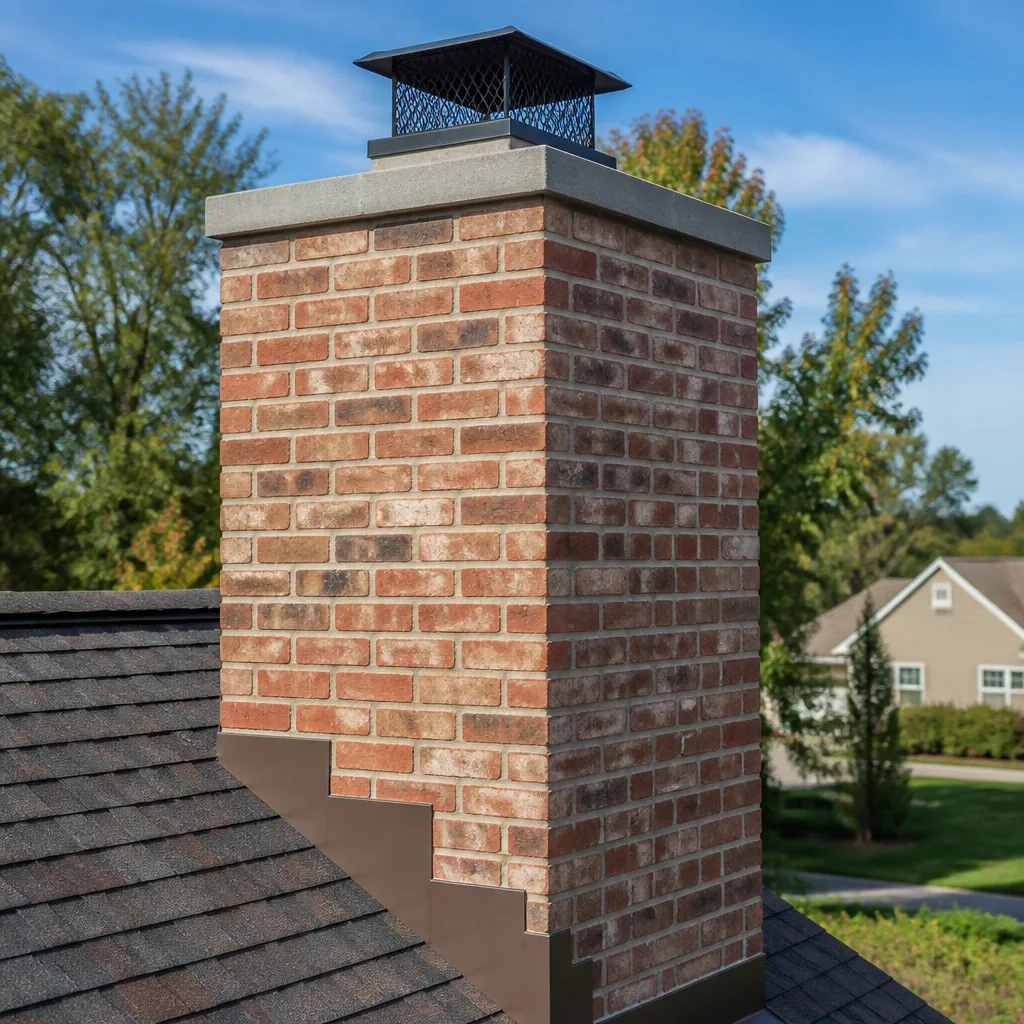
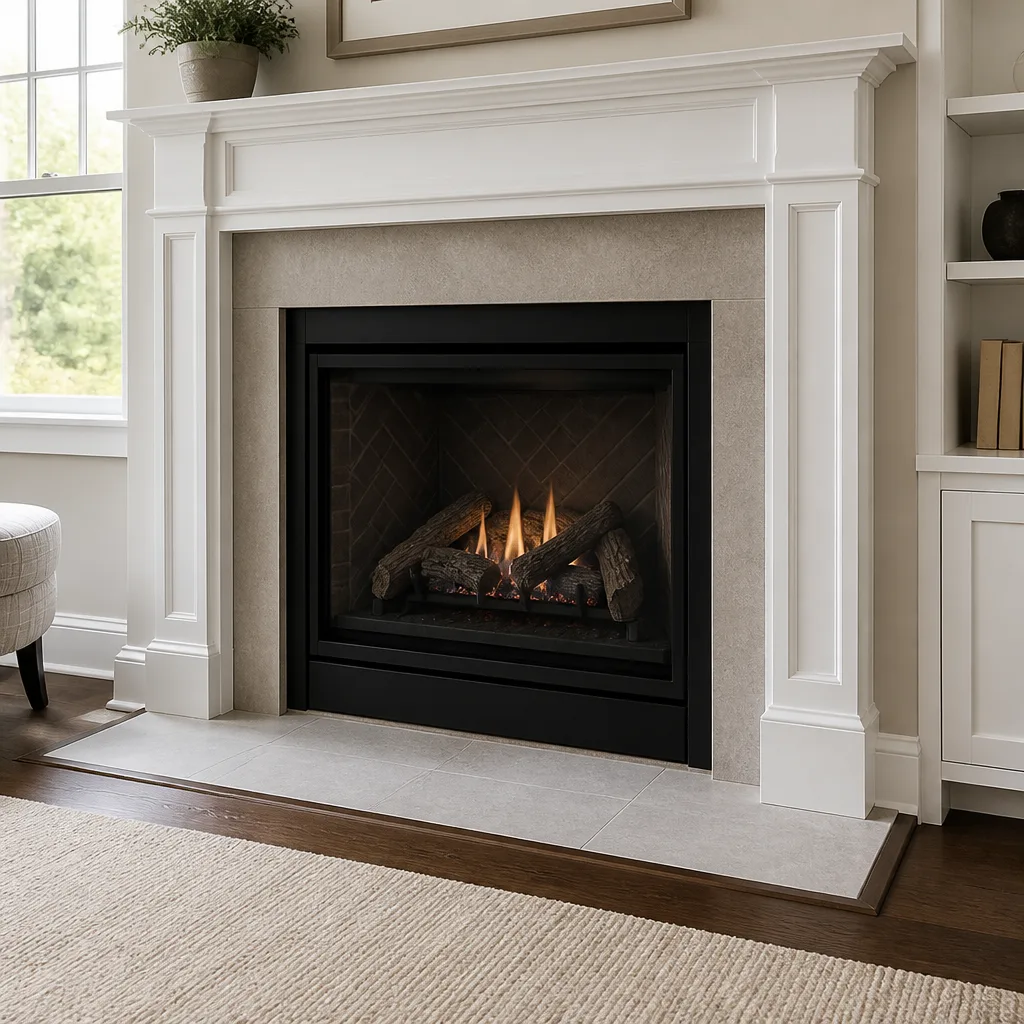
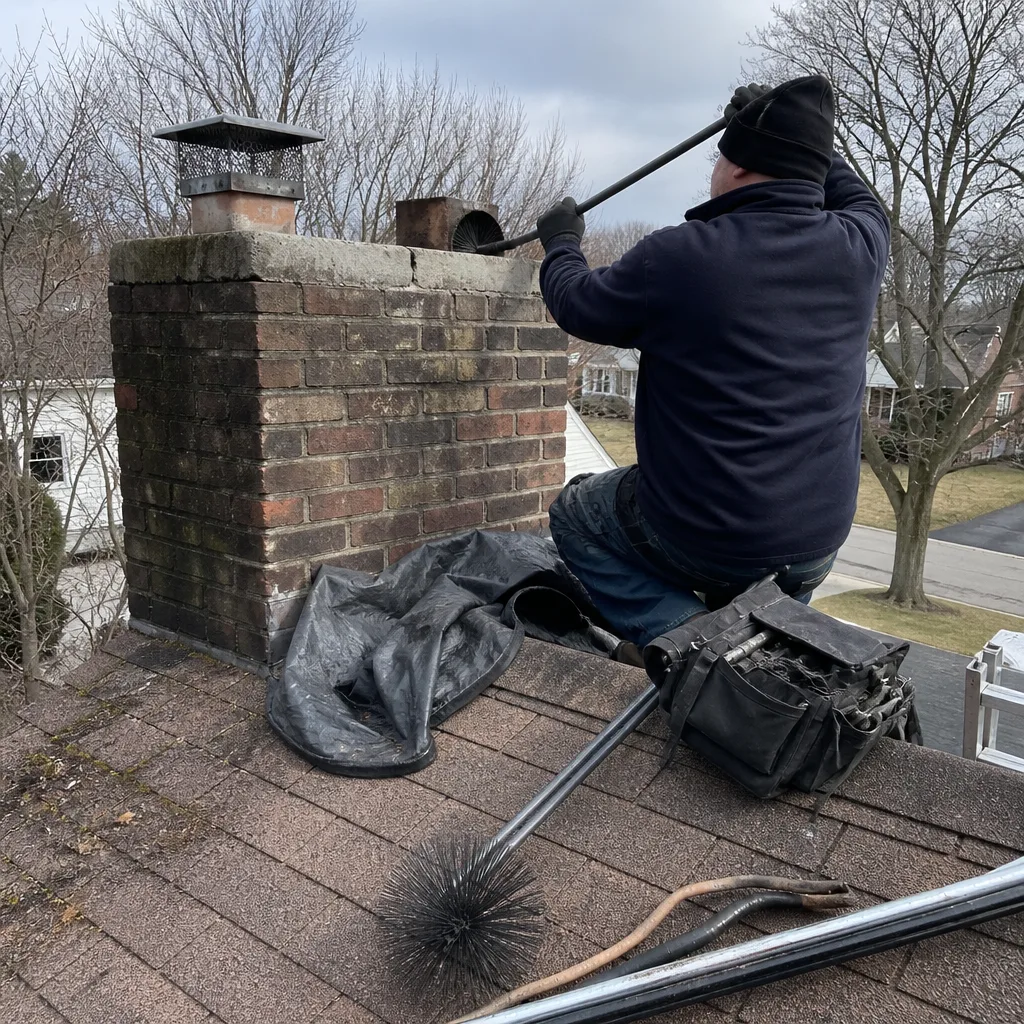 Before
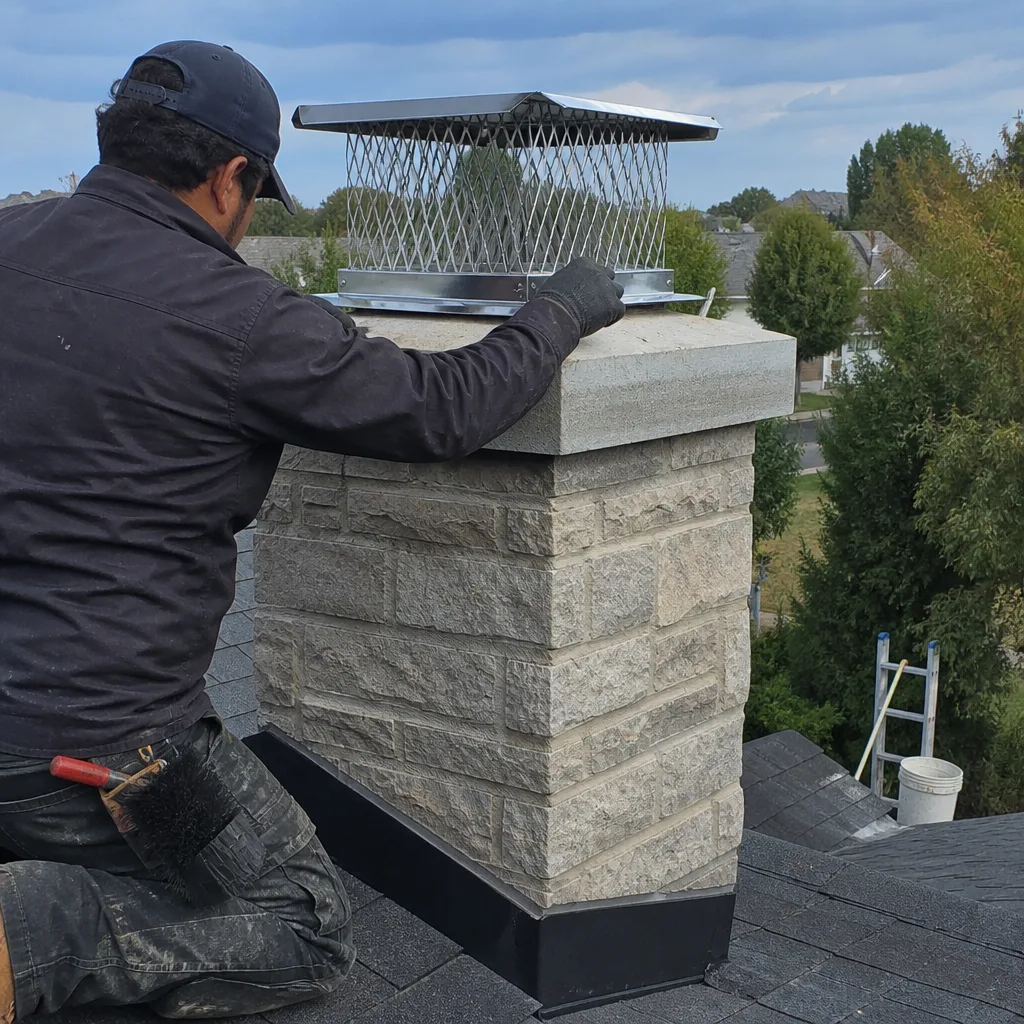 After
After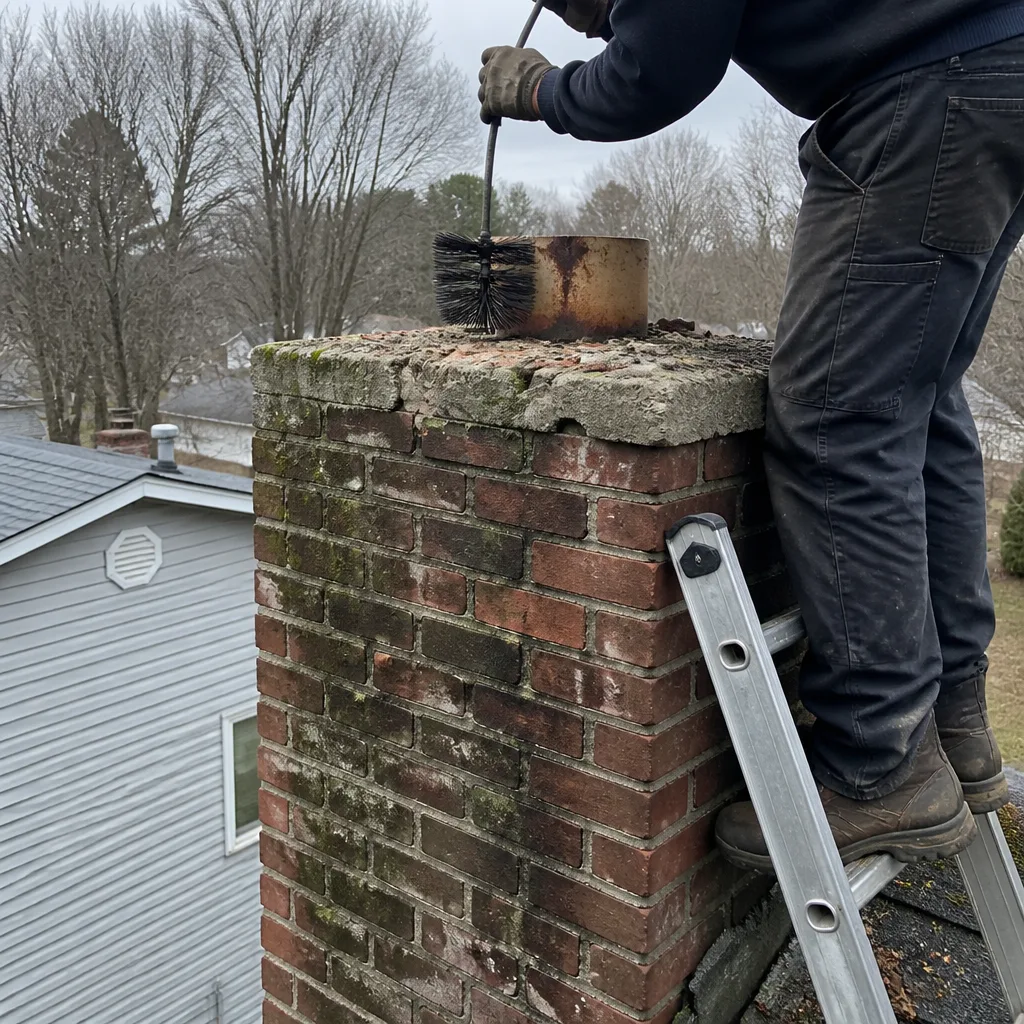 Before
 After
AfterDIY vs Professional Chimney Cleaning: The Plainview Homeowner’s Decision Guide
You can buy a chimney brush kit for $60 and spend a Saturday afternoon on the roof. What you cannot do is see a Stage 2 creosote glaze, a hairline liner crack, or a deteriorating smoke chamber with a brush kit and a flashlight. That gap is where house fires happen. In Plainview, where many homes in the Manetto Hills and Parkway Drive neighborhoods were built during the 1960s and 1970s heating boom, chimneys have decades of layered wear that a brush simply cannot reveal. This guide will show you exactly what DIY cleaning accomplishes, what it cannot, and how to make the right decision for your home and your insurance policy. For how to hire a chimney cleaning contractor in Plainview, see our step-by-step guide.
Quick Answer
DIY chimney cleaning removes loose soot and light creosote from accessible flue sections but cannot inspect for hidden damage, assess creosote stage, or document compliance for insurance purposes. For most Plainview homeowners with wood-burning systems, professional cleaning with a Level-2 camera inspection is the safer and more complete choice. A homeowner brush-out between professional visits is reasonable only for gas fireplaces with light use and a recent clean bill of health.
Table of Contents
- What DIY Cleaning Actually Removes - And What It Leaves Behind
- The Inspection Gap: What You Cannot See From the Roof
- Tools of the Trade: Consumer Brush Kits vs. Commercial Rotary Systems
- When DIY Is Actually Reasonable: The Narrow Conditions
- Insurance and Liability Exposure After a Chimney Fire
- Using Professional Cleanings Strategically in Plainview
- Cost Comparison: Real Numbers for the Plainview Market
- Common Mistakes to Avoid
- When to Call a Professional
- Frequently Asked Questions
- The Bottom Line
What DIY Cleaning Actually Removes - And What It Leaves Behind
A standard homeowner chimney brush kit, the kind sold at hardware stores from Hicksville to Farmingdale, typically includes a fiberglass rod set, a polypropylene or wire brush head sized to your flue diameter, and a basic ash shovel. Used correctly, this equipment will dislodge loose, powdery soot (Stage 0 creosote) and flaky, chipable deposits (Stage 1 creosote) from the main flue liner walls. If you are diligent and the flue is straight, you can remove material that would otherwise restrict airflow and accelerate future buildup.
That is where the capability ends. Here is what remains in place after even a thorough DIY session:
- Stage 2 creosote glaze: A tar-like, hardened layer that bonds to liner walls. It requires a rotary whipping system or chemical treatment to break down. Brushing alone polishes the surface without removing the hazard.
- Stage 3 glazed creosote: A dense, shiny, nearly ceramic coating that is extremely combustible. This is the material responsible for most chimney fires in Nassau County. It is impervious to consumer brushes.
- Smoke chamber deposits: The area above the firebox and below the flue throat collects the heaviest concentration of acidic condensation and creosote. It is awkward to reach, impossible to see into without a mirror or camera, and rarely addressed by DIY kits.
- Firebox and damper assembly buildup: Corroded damper plates, cracked firebrick, and deteriorating mortar joints in the firebox are cleaning-adjacent problems that a brush kit cannot diagnose.
- Obstructions and nesting material: Squirrel nests in the flue, collapsed liner sections, or masonry debris from a deteriorating crown all require removal and repair, not brushing.
In our experience across Plainview, the homes most at risk are not the ones where owners never clean. They are the ones where a conscientious homeowner brushed diligently for years, assumed the flue was clear because the brush came back black, and never knew a liner crack was allowing heat to transfer to surrounding framing. The black brush is not a reliable signal. Only inspection is.
The Inspection Gap: What You Cannot See From the Roof
The National Fire Protection Association Standard 211 defines three levels of chimney inspection. DIY cleaning, by definition, performs zero inspection levels. Even a flashlight and a mirror from the firebox upward, a technique some homeowners attempt, reveals only the bottom few feet of flue in favorable conditions. The rest is guesswork.
A Level-1 inspection, the minimum for annual maintenance, requires examination of readily accessible portions of the chimney exterior, interior, and connecting appliances. A professional conducts this with knowledge of what cracked mortar, spalled tile, and distorted metal look like under varying light conditions. In Plainview’s climate, where freeze-thaw cycles from January through March aggressively test masonry, a Level-1 inspection includes checking for crown deterioration that allows water behind the flue liner. Water + freeze cycles + hidden liner damage is a pattern we have documented repeatedly in the Plainview-Old Bethpage area.
A Level-2 inspection is where the critical gap closes. Required upon sale or transfer of property, after chimney fire or lightning strike, or when changing appliance type, it includes video scanning of the flue interior. Our technicians use camera systems that record the entire flue run at 1080p resolution, with the homeowner present to watch live. We document timestamped footage, note exact elevations of any findings, and deliver a plain-English verdict with photos you can see.
Here is what camera inspection routinely reveals that brushing conceals:
- Hairline liner cracks at joint sections: Clay tile liners settle and separate at mortar joints over decades. A crack 1/16-inch wide is invisible to the eye but clearly visible on camera. It is also large enough to allow flue gases and sparks to reach combustible framing.
- Deteriorating smoke chamber parging: The smoke chamber should have smooth, sloped walls to guide smoke into the flue. Corrugated brick, missing parging, or exposed mortar joints create turbulence that deposits creosote and slows draft. This is only visible from inside the chamber with specialized lighting.
- Spalling and flaking tile: Pieces of clay liner that have detached but remain lodged in the flue can block airflow or fall and damage the firebox. A brush pushes past them; a camera catches them.
- Evidence of previous chimney fires: Warped metal liners, discolored tile, and pyrolized (heat-damaged) creosote indicate past events the homeowner may not have recognized. A chimney fire can sound like a freight train or like nothing at all.
The pattern recognition required to distinguish normal wear from imminent failure takes years to develop. Russell Haines, who founded Hearthstone Chimney Co. home on the principle that every homeowner deserves to see what we see, has trained our technicians to document like engineers and explain like craftsmen. Photos you can see, a plain-English verdict. No guesswork, no surprises.
Tools of the Trade: Consumer Brush Kits vs. Commercial Rotary Systems
The tool gap between DIY and professional cleaning is wider than most homeowners assume. It is not about effort or ladder safety, though both matter. It is about mechanical action and reach.
Consumer brush kits ($40-$90) use static brushing: you push the brush up, you pull it down. The bristles scrape what they touch. In a straight, round, unobstructed flue with light buildup, this removes loose material. In an oval flue, a flue with offset joints, or one with significant Stage 2-3 glaze, the brush skips sections and compresses deposits into a harder layer. The homeowner feels resistance, assumes the flue is clean, and stops.
Commercial rotary systems ($3,000-$8,000 for professional-grade equipment) use powered whipping action. A flexible steel or poly cable with a whipping head rotates at controlled speed, expanding to fill the flue diameter and flinging bristles outward with centrifugal force. This fractures hardened glaze and reaches into liner imperfections. We use rotary systems paired with HEPA vacuums that maintain negative pressure in the firebox, preventing soot migration into the living space. A shop vacuum and a dust mask, the typical DIY setup, cannot contain fine particulate.
Additional professional equipment that changes outcomes:
- Video inspection systems: Self-leveling cameras with LED arrays and 90-degree articulation for smoke chamber and firebox examination.
- Combustible gas analyzers: To verify proper draft and detect carbon monoxide spillage after cleaning.
- Chemical creosote modifiers: Applied to Stage 2-3 glaze to break molecular bonds before mechanical removal. These are not retail products; they require application training and post-treatment verification.
- Professional-grade crowns and sealants: When inspection reveals crown damage, we repair with materials from HeatShield and Gelco, formulated for Nassau County’s freeze-thaw exposure. A hardware-store crown sealer lasts one season. The products we use, properly applied, last a decade or more.
The investment gap explains why professional cleaning costs more than a brush kit. It also explains why the comparison is not between “$60 DIY” and “$250 professional” but between “$60 partial cleaning with zero inspection” and “$250 complete cleaning with documented condition assessment.”
When DIY Is Actually Reasonable: The Narrow Conditions
We do not dismiss DIY cleaning categorically. There are specific, limited circumstances where a homeowner brush-out between professional visits is reasonable and even sensible. The conditions are narrow, and violating them converts reasonable maintenance into false confidence.
All five conditions must be met:
- Gas fireplace or gas log insert only. Natural gas and propane produce minimal creosote. The primary concern is dust, spider webs in the burner ports, and vent obstruction. A homeowner can clean the firebox interior and visible vent termination with appropriate care.
- Light, seasonal use. Occasional weekend fires, not daily heating dependence. Heavy use accelerates all forms of buildup and wear.
- Proven, intact flue liner. A Level-2 inspection within the past 24 months has confirmed liner integrity with no cracks, gaps, or deterioration. Documentation exists.
- No changes to the system. Same appliance, same fuel, same venting configuration. Any change triggers the need for professional evaluation.
- Recent professional cleaning and inspection. Within 12 months for gas, within 6 months if the system was converted from wood to gas. The professional visit establishes the baseline condition that DIY maintenance preserves.
Even when all conditions are met, the DIY scope should be limited: brush visible firebox surfaces, vacuum loose debris with a HEPA vacuum (not a household vacuum that will redistribute fine particulate), inspect the damper for free operation, and confirm the exterior vent cap is clear of debris. Stop there. Do not attempt flue brushing. Do not climb the roof to inspect the crown. Do not disassemble gas connections.
In Plainview’s South Plainview and East Plainview neighborhoods, where many ranch and split-level homes have gas inserts in original masonry fireplaces, this limited DIY approach can stretch professional maintenance intervals from annual to biennial for gas-only systems. But the professional inspection remains non-negotiable. We have found deteriorating gas flex lines, improper clearances to combustibles, and blocked vent terminals in systems that “just needed a quick clean.” The brush does not reveal these conditions.
Insurance and Liability Exposure After a Chimney Fire
This is the point where the DIY vs. professional question becomes a financial and legal calculation, not merely a maintenance preference.
Homeowner’s insurance policies contain a duty-of-care clause requiring “reasonable maintenance” of known hazards. A chimney is a known hazard by construction. If a chimney fire occurs and the insurer discovers a documented history of DIY-only maintenance with no professional inspection records, claim denial becomes probable. The insurer’s position: the homeowner had access to professional evaluation, chose not to obtain it, and the resulting loss was therefore preventable through reasonable care.
We have consulted with Plainview homeowners who faced exactly this situation. One case involved a home on Central Park Road where a liner crack allowed a slow, undetected creosote fire that damaged the exterior chimney structure and attic framing. The homeowner had brushed annually for eight years, kept receipts for brush kits, and had no professional documentation. The insurer denied the $47,000 claim, citing failure to maintain per NFPA 211 standards. The homeowner’s recourse was limited to out-of-pocket repair or litigation with uncertain outcome.
Professional cleaning with inspection documentation serves as evidence of reasonable maintenance. Our invoices specify the scope of work, inspection level performed, findings, and recommendations. This paperwork, retained with home records, supports insurance claims and property resale. In Plainview’s active real estate market, where buyers increasingly request chimney inspection reports, documented professional maintenance also protects transaction value.
The cost of professional cleaning is not an expense separate from insurance protection. It is part of the same risk management strategy that includes homeowner’s premiums, smoke detectors, and fire extinguishers.
Using Professional Cleanings Strategically in Plainview
For homeowners who want to minimize cost without sacrificing safety, there is a middle path: strategic professional service supplemented by limited homeowner maintenance. This approach recognizes that not every chimney needs identical care, and that Plainview’s housing stock varies significantly by neighborhood and construction era. Our seasonal chimney cleaning care guide for Plainview maps year-round maintenance to local conditions.
Homes built 1950-1975 in Manetto Hills, Parkway, and East Plainview: These typically have unlined or clay-tile-lined masonry chimneys, original construction that predates modern liner standards. We recommend annual Level-2 inspection with cleaning as needed. The age and freeze-thaw exposure in these neighborhoods produce higher rates of crown deterioration and liner failure. Attempting DIY maintenance on these systems is particularly risky because the baseline condition is unknown without camera inspection.
Homes built 1975-1995 with factory-built metal chimneys: Often found in the more developed southern sections of Plainview near the Bethpage border. These systems have replaceable components and defined service life. Professional inspection every 1-2 years, with homeowner visual checks of the exterior chase cover for rust or separation. If the chase cover shows damage, call before the next burning season. Water intrusion destroys these systems from the outside in.
Homes with recent inserts or full liner replacements: If Chimney Repair in Plainview has installed a DuraFlex or Olympia Chimney stainless liner with proper insulation and connection, and a Level-2 inspection confirms proper installation, maintenance intervals can extend to every 2-3 years for gas, annually for wood with moderate use. The liner protects the masonry; the inspection verifies the liner.
Between-season homeowner maintenance (all systems):
- Check the firebox for cracked brick or deteriorating mortar. Photograph anything suspicious and email it to us.
- Confirm the damper opens fully and seats closed without visible gaps.
- Inspect the exterior chimney from ground level: missing or spalling bricks, damaged crown, leaning or separation from the house.
- Keep the hearth area clear of combustibles and maintain proper ash depth (1-inch maximum for insulated firebrick performance).
- Test smoke and carbon monoxide detectors monthly. This is not chimney-specific, but it is fire-safety-specific, and we mention it because working detectors have saved lives in chimney fire situations.
The strategic approach treats professional service as diagnostic and corrective, homeowner maintenance as observational and preventive. Neither replaces the other.
Cost Comparison: Real Numbers for the Plainview Market
Transparency about cost is part of our K.E.Y.S. values: Krafted right, Every time, Your home first, Standing behind it. Here are the actual numbers a Plainview homeowner will encounter.
DIY costs:
- Basic brush kit (polypropylene, single size): $40-$70
- Wire brush kit with multiple heads: $80-$120
- Extension rods for two-story flue: $30-$50 additional
- HEPA vacuum rental (recommended, rarely done): $50-$80/day
- Replacement brushes after wear: $25-$40 each
- Your time: 3-6 hours including setup, execution, and cleanup
- Total first-year DIY: $110-$250 plus time, with no inspection component
Professional costs in the Plainview market (2024-2025):
- Level-1 cleaning and inspection: $225-$295
- Level-2 cleaning with camera inspection: $325-$450
- Heavy creosote removal (Stage 2-3, rotary system): add $150-$300
- Crown repair with professional-grade materials: $450-$1,200 depending on access and extent
- Smoke chamber parging with Famco-compatible refractory materials: $800-$1,500
Hearthstone standing offers (verify current availability):
- $89 Seasonal Tune-Up (limited scope, specific conditions apply)
- $50 Off Any Repair Over $250
- Free Second Opinion on any written estimate
- Permanent 5% Senior and Veteran discount
The professional cost includes documentation, insurance protection, and the detection of conditions that would cost substantially more if left unaddressed. See our chimney cleaning cost breakdown for Plainview homeowners for 2026 pricing details. A $350 Level-2 inspection that finds a liner crack before it causes a fire is less expensive than a denied insurance claim and structural repair. A square deal: no surprises on the bill. The number on the estimate is the number on the invoice.
For Fireplace Services in Plainview including insert maintenance, gas log service, and combustion analysis, pricing varies by appliance type. We provide no-hassle upfront pricing before any work begins.
Common Mistakes to Avoid
- Assuming a black brush means a clean flue. The brush turns black from superficial soot. It tells you nothing about glazed creosote, liner condition, or hidden obstructions. We have inspected flues where the homeowner’s brush was “black every time” for years, while camera inspection revealed a completely blocked flue from a collapsed clay tile.
- Using the wrong brush material for the liner type. Wire brushes on stainless steel liners cause scoring that accelerates corrosion. Poly brushes on heavy creosote glaze merely polish the surface. Matching brush to liner and deposit type requires training most homeowners do not have.
- Cleaning from the top down without proper roof safety equipment. Plainview’s split-level and two-story homes require ladder access to steep or complex roof planes. Falls from roof height are a leading cause of homeowner injury during DIY maintenance. We carry full fall protection and liability insurance; our technicians are trained for roof work. If you are not similarly equipped, do not go on the roof.
- Neglecting the firebox and smoke chamber. These areas accumulate the most corrosive condensation and the heaviest creosote deposits. They are also the most difficult to reach and inspect. A clean flue above a deteriorating smoke chamber is a chimney fire waiting for ignition.
- Using household vacuums without HEPA filtration. Fine soot and creosote particulate pass through standard vacuum filters and redistribute throughout the home. This is not merely a mess; it is a respiratory hazard. Professional HEPA vacuums capture 99.97% of 0.3-micron particles.
- Skipping inspection after a chimney fire, even a “small” one. A chimney fire that sounds like a freight train is obvious. One that produces only a brief rumble or no perceptible sound is equally damaging. Any suspected fire event requires immediate Level-2 inspection. Hidden heat damage to liners and surrounding structure can create conditions for a second, more severe fire.
- Documenting nothing. No photos, no receipts, no professional reports. In a claim dispute or home sale, your memory is not evidence. Documentation is. We provide dated, detailed reports with every service.
When to Call a Professional
Call a professional chimney sweep when: you burn wood more than occasionally; your system is more than 10 years old without documented inspection; you notice draft problems, smoke odor, or debris falling into the firebox; you are buying or selling a home; you have changed appliance type or fuel; or you simply want to know the actual condition of your chimney rather than assume it.
In Plainview, where winter temperatures regularly drop below freezing and heating systems run hard from November through March, the cost of not knowing exceeds the cost of professional evaluation. Chimney Cleaning & Sweep in Plainview by Hearthstone Chimney Co. includes Level-2 camera inspection, photo documentation, and our 90-Day Done Right Promise: in writing, no arguing. If it’s not right, we make it right.
Hearthstone Chimney Co. offers free estimates in Plainview. Call (934) 348-4832. A live person answers, 24 hours a day, 7 days a week. Not a voicemail, not a callback queue. We’ll be there when we say.
Frequently Asked Questions
A standard Level-1 cleaning and inspection in Plainview typically runs $225-$295, while a Level-2 cleaning with camera inspection ranges from $325-$450. Heavy creosote removal requiring rotary equipment adds $150-$300. Hearthstone’s $89 Seasonal Tune-Up offers a limited-scope option for qualifying systems. Call (934) 348-4832 for an exact quote - estimates are free.
For wood-burning systems with regular use, the NFPA recommends annual inspection and cleaning as needed. In Plainview’s climate, where freeze-thaw cycles accelerate masonry deterioration, we advise annual Level-2 inspection for homes built before 1980. Gas systems with documented liner integrity can extend to every 2-3 years. The frequency depends on fuel type, usage level, and system age and condition.
You can perform limited surface cleaning of the firebox and glass door if the insert is properly installed with a full stainless liner. However, the liner itself requires professional rotary cleaning and camera inspection. Inserts concentrate heat and creosote production in a smaller flue area, accelerating buildup. DIY brushing of an insert liner without inspection capability is particularly risky because the confined space hides problems until they become severe.
Skipped maintenance leads to progressive creosote accumulation, restricted airflow, and increased combustion temperatures. The results include chimney fires that damage liners and surrounding structure, carbon monoxide spillage from blocked or damaged flues, accelerated masonry deterioration from acidic condensation, and ultimately costly rebuilds that could have been prevented. In Plainview’s older housing stock, we have seen $15,000-$40,000 rebuilds that annual $300 inspections would have prevented.
Most policies do not explicitly mandate professional inspection, but they require “reasonable maintenance” of known hazards. A documented history of DIY-only care without professional evaluation leaves you exposed to claim denial after a fire. Professional inspection reports provide evidence of reasonable care. For maximum protection, maintain annual professional documentation and retain records with your home files.
Determining liner presence and type requires visual inspection from the firebox or roof, or camera examination of the flue interior. Clay tile liners show segmented joints; stainless steel liners appear as continuous metallic surfaces; cast-in-place liners have a smooth, monolithic appearance. Unlined chimneys expose bare masonry. Do not assume based on age or appearance. We have found unlined chimneys in 1990s construction and properly lined systems from the 1950s. Camera inspection removes the guesswork.
If any aspect of our work is not done right, we return and make it right at no additional charge, backed in writing with no paperwork and no arguing. This is our Keystone Standard, governed by our K.E.Y.S. values: Krafted right, Every time, Your home first, Standing behind it. It applies to every service we perform in Plainview and all surrounding communities.
The Bottom Line
DIY chimney cleaning has its place: limited, surface-level maintenance of gas systems with verified good health. For the wood-burning fireplaces and heating systems that serve most Plainview homes through Nassau County winters, professional cleaning with camera inspection is the complete solution. The brush removes what you can see. The inspection reveals what you cannot. Explore more guides & resources on chimney safety and maintenance. And what you cannot see - the hairline crack, the glaze buildup, the deteriorating smoke chamber - is what determines whether your chimney functions as a vent or becomes a hazard.
Done right, and we stand behind it. That is the standard we have maintained for over 42 years, and the standard we apply to every home we serve.
Written by Russell Haines, Owner at Hearthstone Chimney Co., serving Plainview since 2014.